Franklin Rosemont – författare
Visar alla böcker från författaren Franklin Rosemont. Handla med fri frakt och snabb leverans.
8 produkter
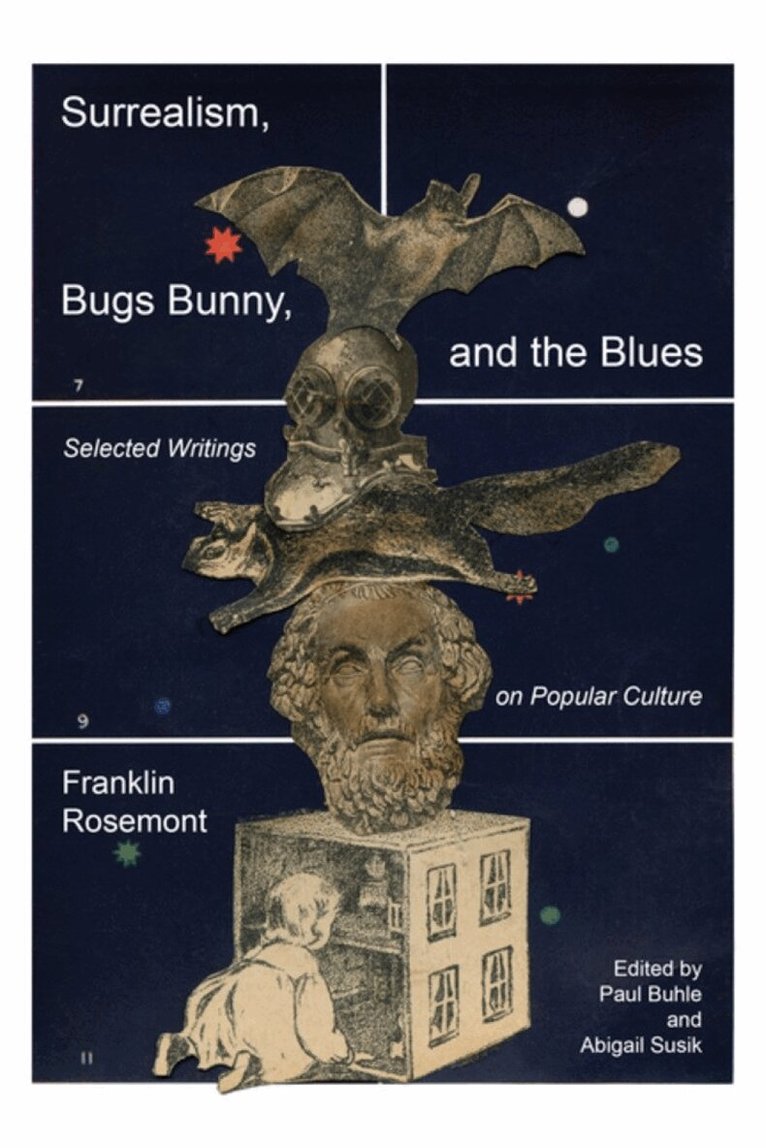
Surrealism, Bugs Bunny, and the Blues
Selected Writings on Popular Culture
Av Franklin Rosemont, Abigail Susik m. fl.
Häftad, 2025
282 kr
Lägg i varukorg
Surrealism, Bugs Bunny, and the Blues is a collection of Franklin Rosemont's writings on popular culture over a period of more than forty years. Rosemont, a self-taught scholar, poet, and artist, playfully uncovers the sometimes hidden-in-plain-sight writers and artists who managed to be both …
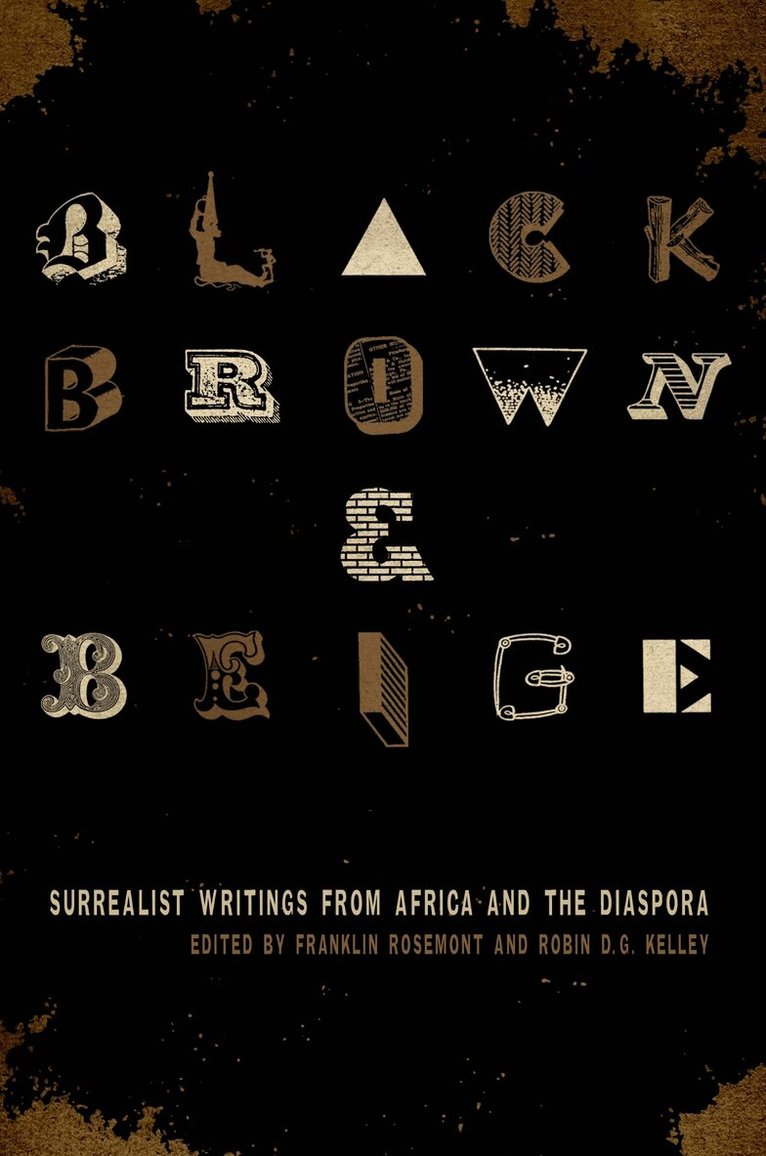
Black, Brown, & Beige
Surrealist Writings from Africa and the Diaspora
Av Franklin Rosemont, Robin D.G. Kelley
Häftad, 2009
513 kr
Lägg i varukorg
Surrealism as a movement has always resisted the efforts of critics to confine it to any static definition-surrealists themselves have always preferred to speak of it in terms of dynamics, dialectics, goals, and struggles. Accordingly, surrealist groups have always encouraged and exemplified the …
Joe Hill
The IWW & the Making of a Revolutionary Workingclass Counterculture
Häftad, 2015
333 kr
Lägg i varukorg
A monumental work, expansive in scope, covering the life, times and culture of that most famous of the Wobblies - songwriter, poet, hobo, thinker, humourist, martyr - Joe Hill. It is a journey into the Wobbly culture that made Hill and the capitalist culture that killed him. Many aspects of the …
Big Red Songbook
250+ IWW Songs!
Av Franklin Rosemont, David Roediger m. fl.
Häftad, 2016
374 kr
Lägg i varukorg
Haymarket Scrapbook
25th Anniversary Edition
Av Franklin Rosemont, David Roediger
Häftad, 2012
218 kr
Lägg i varukorg
Jacques Vache and the Roots of Surrealism: Including Vache's War Letters & Other Writings
Häftad
267 kr
Tillfälligt slut
Revolution in the Service of the Marvelous: Surrealist Contributions to the Critique of Miserabilism
Häftad
230 kr
Tillfälligt slut