Frans Viljoen – författare
Visar alla böcker från författaren Frans Viljoen. Handla med fri frakt och snabb leverans.
11 produkter
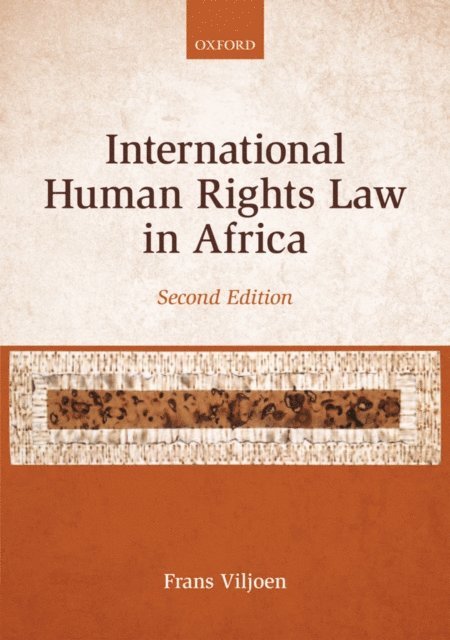
International Human Rights Law in Africa
E-bok, 2012
1155 kr
Lägg i varukorg
This book provides a comprehensive and analytical overview of human rights law in Africa. It examines the institutions, norms, and processes for human rights realization provided for under the United Nations system, the African Union, and sub-regional economic communitites in Africa, and explores …
International Human Rights Law in Africa
E-bok, 2012
938 kr
Lägg i varukorg
This book provides a comprehensive and analytical overview of human rights law in Africa. It examines the institutions, norms, and processes for human rights realization provided for under the United Nations system, the African Union, and sub-regional economic communitites in Africa, and explores …
International Human Rights Law in Africa
Inbunden, 2012
2821 kr
Lägg i varukorg
This book provides a comprehensive and analytical overview of human rights law in Africa. It examines the institutions, norms, and processes for human rights realization provided for under the United Nations system, the African Union, and sub-regional economic communitites in Africa, and explores …
International Human Rights Law in Africa
Häftad, 2012
1470 kr
Lägg i varukorg
This book provides a comprehensive and analytical overview of human rights law in Africa. It examines the institutions, norms, and processes for human rights realization provided for under the United Nations system, the African Union, and sub-regional economic communitites in Africa, and explores …
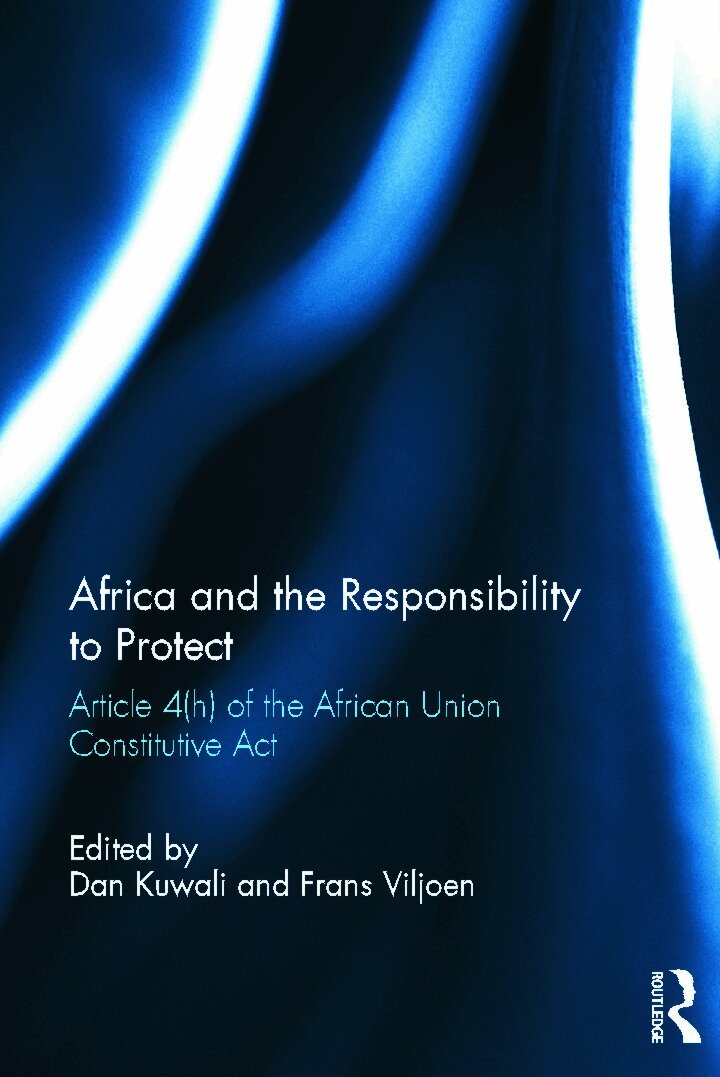
Africa and the Responsibility to Protect
Article 4(h) of the African Union Constitutive Act
Inbunden, 2013
2353 kr
Lägg i varukorg
Situations of serious or massive violations of human rights are no longer purely of domestic concern, and sovereignty can no longer be an absolute shield for repressive governments in such circumstances. Based on this realization, the international community has recognized a responsibility to …
Africa and the Responsibility to Protect
Article 4(h) of the African Union Constitutive Act
Häftad, 2016
688 kr
Lägg i varukorg
Situations of serious or massive violations of human rights are no longer purely of domestic concern, and sovereignty can no longer be an absolute shield for repressive governments in such circumstances. Based on this realization, the international community has recognized a responsibility to …
Africa and the Responsibility to Protect
Article 4(h) of the African Union Constitutive Act
E-bok, 2013
813 kr
Lägg i varukorg
Situations of serious or massive violations of human rights are no longer purely of domestic concern, and sovereignty can no longer be an absolute shield for repressive governments in such circumstances. Based on this realization, the international community has recognized a responsibility to …
Africa and the Responsibility to Protect
Article 4(h) of the African Union Constitutive Act
E-bok, 2013
813 kr
Lägg i varukorg
Situations of serious or massive violations of human rights are no longer purely of domestic concern, and sovereignty can no longer be an absolute shield for repressive governments in such circumstances. Based on this realization, the international community has recognized a responsibility to …
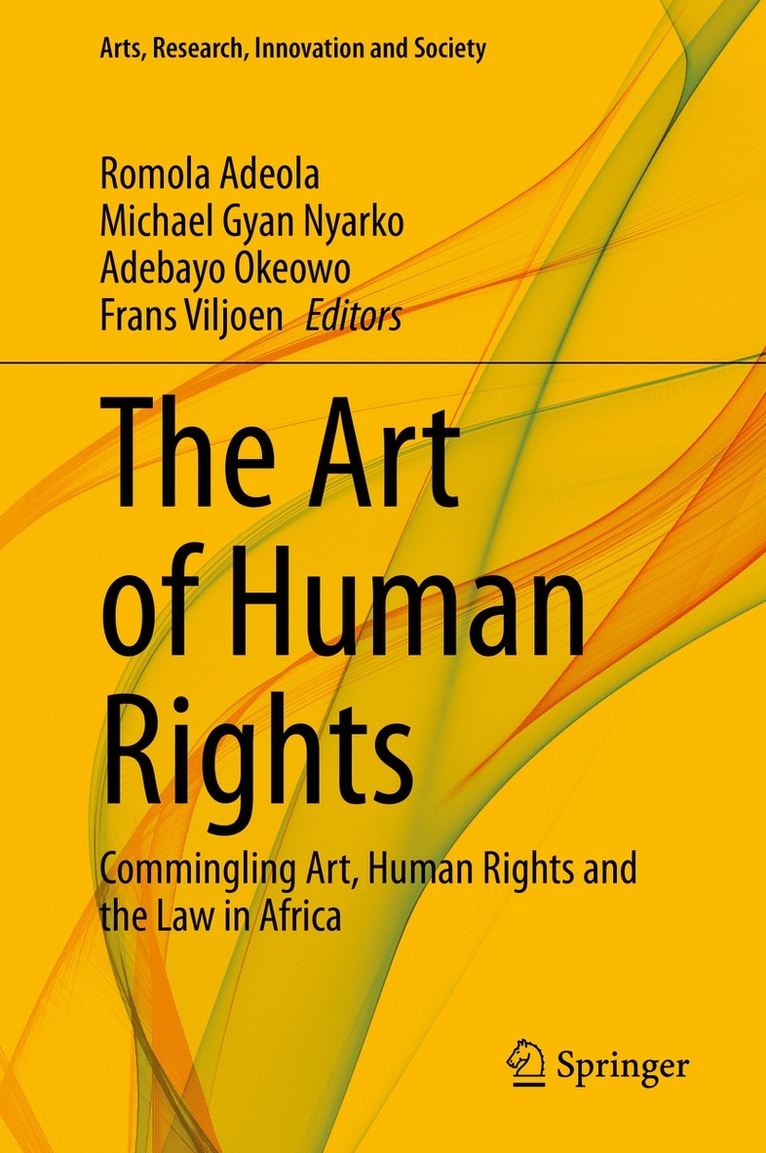
Art of Human Rights
Commingling Art, Human Rights and the Law in Africa
Av Romola Adeola, Michael Gyan Nyarko m. fl.
Inbunden, 2020
1128 kr
Lägg i varukorg
This book highlights the use of art in human rights, specifically within Africa. It advances an innovative pattern of thinking that explores the intersection between art and human rights law. In recent years, art has become an important tool for engagement on several human rights issues. In view of …
Art of Human Rights
Commingling Art, Human Rights and the Law in Africa
Av Frans Viljoen, Adebayo Okeowo m. fl.
E-bok, 2020
1427 kr
Lägg i varukorg
This book highlights the use of art in human rights, specifically within Africa. It advances an innovative pattern of thinking that explores the intersection between art and human rights law. In recent years, art has become an important tool for engagement on several human rights issues. In view of …
Art of Human Rights
Commingling Art, Human Rights and the Law in Africa
Av Romola Adeola, Michael Gyan Nyarko m. fl.
Häftad, 2021
1128 kr
Lägg i varukorg
This book highlights the use of art in human rights, specifically within Africa. It advances an innovative pattern of thinking that explores the intersection between art and human rights law. In recent years, art has become an important tool for engagement on several human rights issues. In view of …