Franz A. J. Szabo – författare
Visar alla böcker från författaren Franz A. J. Szabo. Handla med fri frakt och snabb leverans.
7 produkter
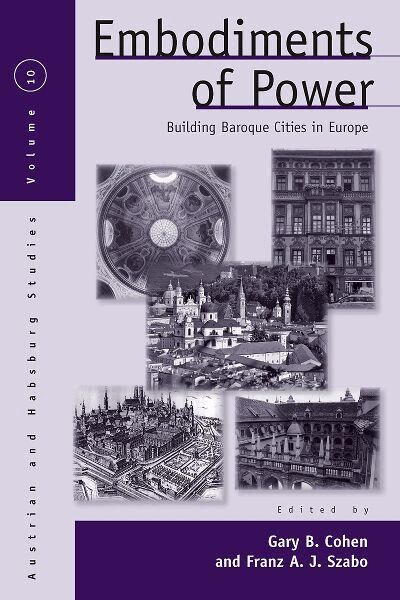
Embodiments of Power
Building Baroque Cities in Europe
Av Franz A. J. Szabo, Gary B. Cohen
E-bok, 2008
328 kr
Lägg i varukorg
The period of the baroque (late sixteenth to mid-eighteenth centuries) saw extensive reconfiguration of European cities and their public spaces. Yet, this transformation cannot be limited merely to signifying a style of art, architecture, and decor. Rather, the dynamism, emotionality, and potential …
Kaunitz and Enlightened Absolutism 1753-1780
Häftad, 1994
838 kr
Lägg i varukorg
This is the first major archivally based study of the political career of Wenzel Anton Kaunitz, State Chancellor of the Habsburg Monarchy from 1753 to 1792. Author of the diplomatic revolution of 1756 and brilliant foreign minister of the Austrian Empire, Kaunitz was also the most important …
History of the Austrian Migration to Canada
Selected Essays
Av Frederick Engelmann, Franz A. J. Szabo m. fl.
E-bok, 1996
1469 kr
Lägg i varukorg
Canadians of Austrian origin have helped define the Canadian cultural mosaic of the 20th century, making important contributions to their adopted home in virtually every field - from cultural and intellectual to scientific and commercial. Yet they seldom appear as a definable group in the Canadian …
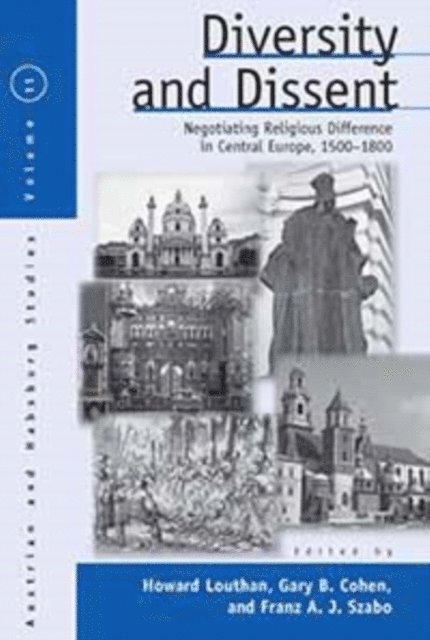
Diversity and Dissent
Negotiating Religious Difference in Central Europe, 1500-1800
Av Howard Louthan, Gary B. Cohen m. fl.
Inbunden, 2011
1921 kr
Lägg i varukorg
Early modern Central Europe was the continent’s most decentralized region politically and its most diverse ethnically and culturally. With the onset of the Reformation, it also became Europe’s most religiously divided territory and potentially its most explosive in terms of confessional conflict …
Diversity and Dissent
Negotiating Religious Difference in Central Europe, 1500-1800
Av Franz A. J. Szabo, Gary B. Cohen m. fl.
E-bok, 2011
335 kr
Lägg i varukorg
Early modern Central Europe was the continent’s most decentralized region politically and its most diverse ethnically and culturally. With the onset of the Reformation, it also became Europe’s most religiously divided territory and potentially its most explosive in terms of confessional conflict …
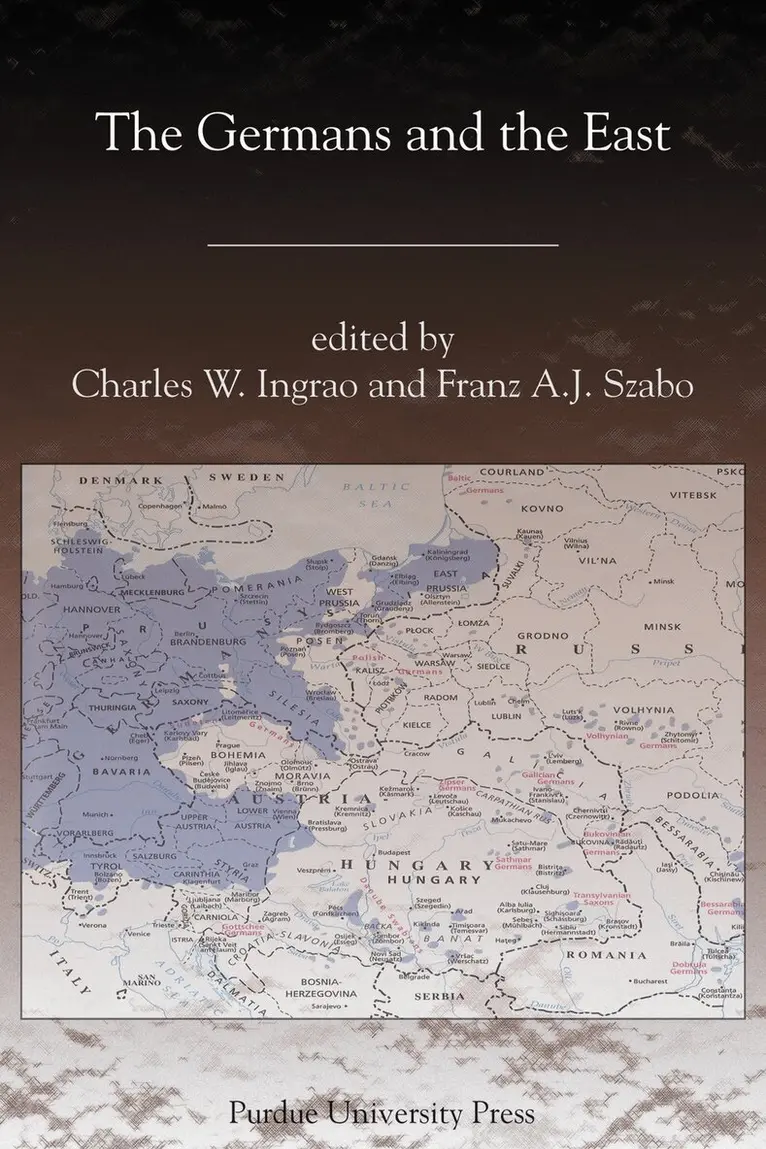
Germans and the East
Av Franz a. J. Szabo, Charles Ingaro m. fl.
Häftad, 2007
602 kr
Lägg i varukorg
This volume provides an historical overview of the relationship between Germany, German speakers, and successive waves of German colonists with their eastern neighbors over the period from the Middle Ages to the present. The collection of essays by 28 leading experts includes the most recent …
Embodiments of Power
Building Baroque Cities in Europe
Av Gary B. Cohen, Franz A. J. Szabo
Inbunden, 2008
1979 kr
Lägg i varukorg
The period of the baroque (late sixteenth to mid-eighteenth centuries) saw extensive reconfiguration of European cities and their public spaces. Yet, this transformation cannot be limited merely to signifying a style of art, architecture, and decor. Rather, the dynamism, emotionality, and potential …