Franz Makeschin - Böcker
Visar alla böcker från författaren Franz Makeschin. Handla med fri frakt och snabb leverans.
5 produkter
5 produkter
482 kr
Tillfälligt slut
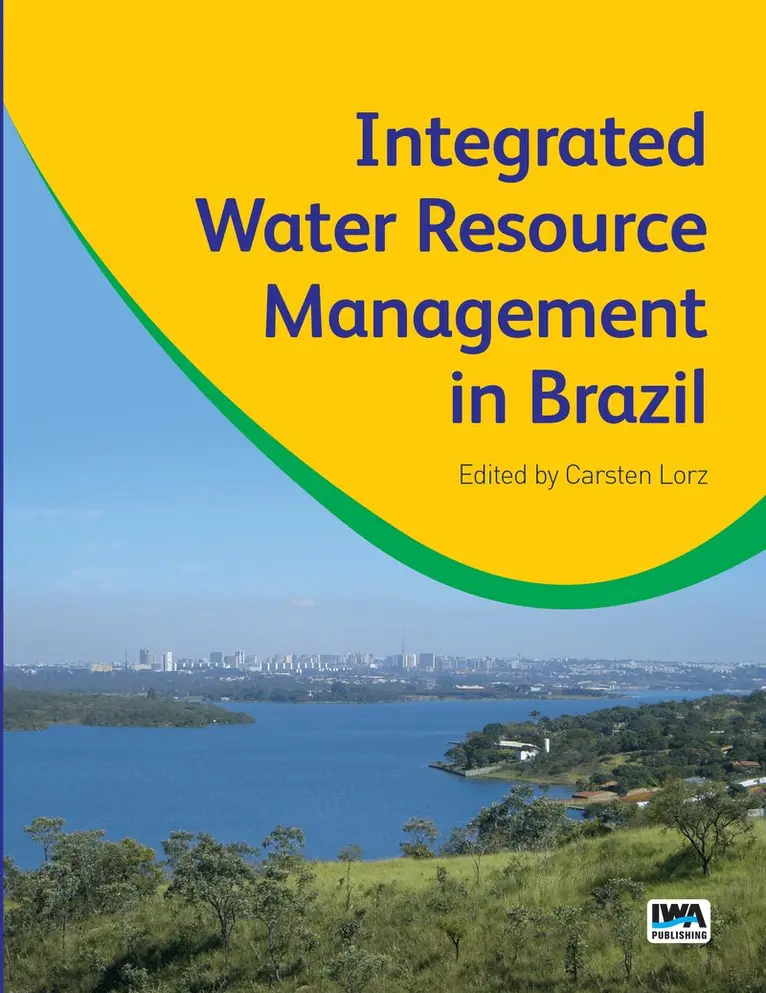
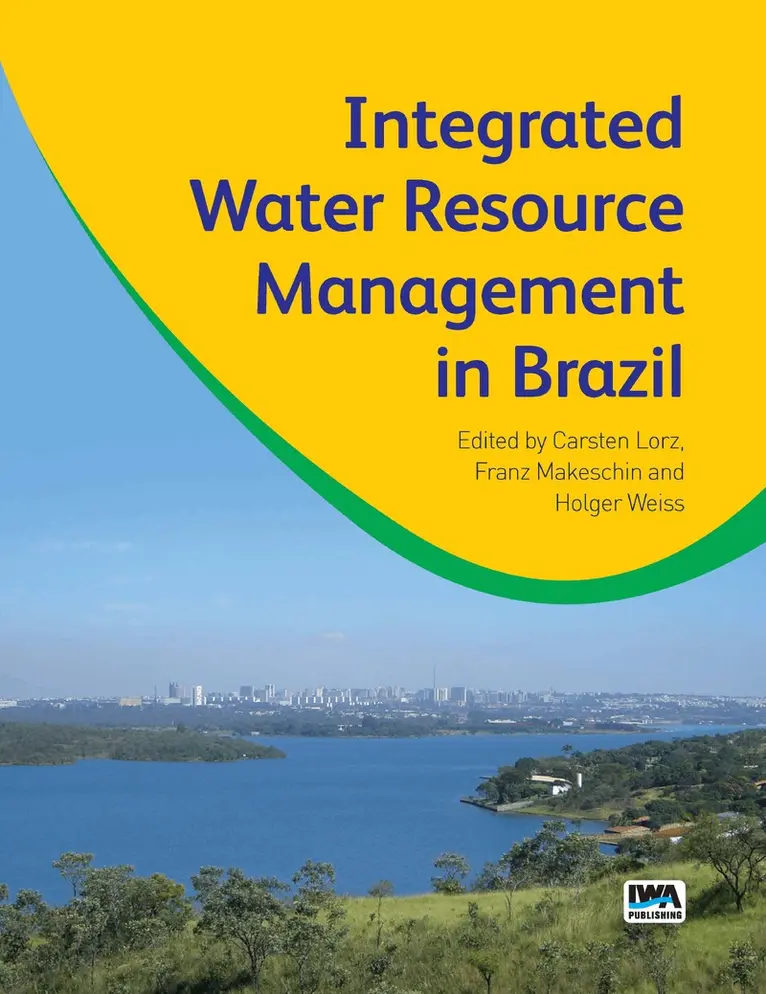
The complex interactions between water resources, land-use change and water technologies are a major issue in many emerging countries of Southern America. Usable water resources are affected by natural conditions, such as, strong seasonal contrasts and high climatic variability, and rapid changes of land use and land cover that is caused by the dramatic expansion of agricultural land and urbanization processes. So far, the effects of the changing climate have had minor effects on water resources. Although regional data is rather scarce, global climate models predict substantial changes of climatic conditions in the future. A further pressure is that demand for water supply and waste water, both in terms of amount and spatial expansion, is increasing rapidly due to higher population densities caused by natural population growth and migration as well as higher per capita consumption. Integrated Water Resource Management in Brazil aims to present the results of the joint project IWAS-AGUA DF which deals with problems, causes and solutions in water supply in scope of integrated water resource management in western Central Brazil. The basic idea of the IWRM approach to be presented is to show how natural conditions and human interference are interacting and how technologies as well as concepts might help to manage such water resource systems in a sustainable way. Authors: Carsten Lorz, Hochschule Weihenstephan-Triesdorf, University of Applied Sciences, Germany, Franz Makeschin, Dresden University of Technology, Germany and Holger Weiss, Center for Environmental Research, Germany
3 162 kr
Skickas inom 10-15 vardagar
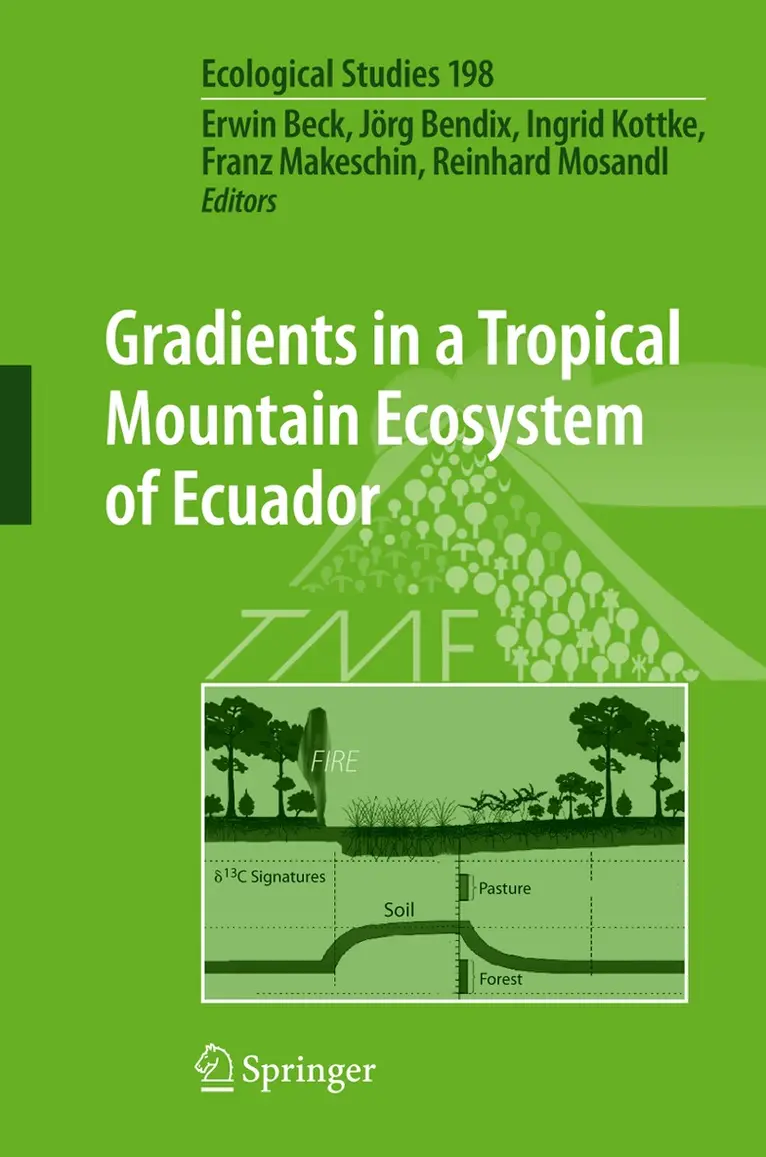
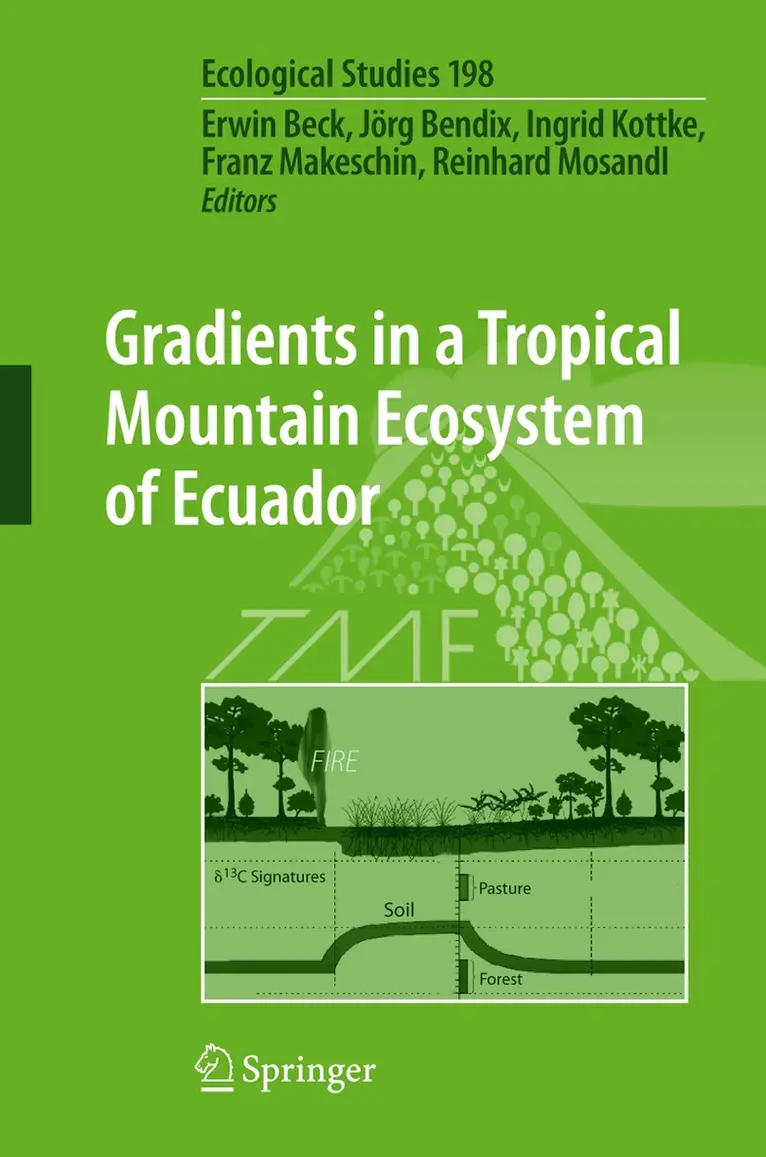
A tropical mountain ecosystem in one of the "hottest" biodiversity hotspots worldwide was investigated by some 30 research teams of numerous disciplines in the natural and social sciences. Ecosystem analysis followed two gradients: an altitudinal gradient and a gradient of land-use intensity and ecosystem regeneration, respectively.This volume addresses a multitude of ecologically relevant aspects: macro- and microclimate; physics, chemistry and biology of soils; water relations, matter turnover and nutrient availability; plant growth and biomass partitioning; floral composition and plant life forms; vegetation structure and dynamics; organismic interactions, diversity and population biology of birds, moths and microarthropods; forest management, and reforestation with indigenous species; ethnobotanical and social aspects. New hypotheses are presented with regard to biodiversity and ecosystem functioning, as well as sustainable management of an ecosystem in a biodiversity hotspot.
3 162 kr
Skickas inom 10-15 vardagar
A tropical mountain ecosystem in one of the "hottest" biodiversity hotspots worldwide was investigated by some 30 research teams of numerous disciplines in the natural and social sciences. Ecosystem analysis followed two gradients: an altitudinal gradient and a gradient of land-use intensity and ecosystem regeneration, respectively.This volume addresses a multitude of ecologically relevant aspects: macro- and microclimate; physics, chemistry and biology of soils; water relations, matter turnover and nutrient availability; plant growth and biomass partitioning; floral composition and plant life forms; vegetation structure and dynamics; organismic interactions, diversity and population biology of birds, moths and microarthropods; forest management, and reforestation with indigenous species; ethnobotanical and social aspects. New hypotheses are presented with regard to biodiversity and ecosystem functioning, as well as sustainable management of an ecosystem in a biodiversity hotspot.
Ecosystem Services, Biodiversity and Environmental Change in a Tropical Mountain Ecosystem of South Ecuador
Inbunden, Engelska, 2013
1 584 kr
Skickas inom 10-15 vardagar
An interdisciplinary research unit consisting of 30 teams in the natural, economic and social sciences analyzed biodiversity and ecosystem services of a mountain rainforest ecosystem in the hotspot of the tropical Andes, with special reference to past, current and future environmental changes. The group assessed ecosystem services using data from ecological field and scenario-driven model experiments, and with the help of comparative field surveys of the natural forest and its anthropogenic replacement system for agriculture. The book offers insights into the impacts of environmental change on various service categories mentioned in the Millennium Ecosystem Assessment (2005): cultural, regulating, supporting and provisioning ecosystem services. Examples focus on biodiversity of plants and animals including trophic networks, and abiotic/biotic parameters such as soils, regional climate, water, nutrient and sediment cycles. The types of threats considered include land use and climate changes, as well as atmospheric fertilization. In terms of regulating and provisioning services, the emphasis is primarily on water regulation and supply as well as climate regulation and carbon sequestration. With regard to provisioning services, the synthesis of the book provides science-based recommendations for a sustainable land use portfolio including several options such as forestry, pasture management and the practices of indigenous peoples. In closing, the authors show how they integrated the local society by pursuing capacity building in compliance with the CBD-ABS (Convention on Biological Diversity - Access and Benefit Sharing), in the form of education and knowledge transfer for application.
Ecosystem Services, Biodiversity and Environmental Change in a Tropical Mountain Ecosystem of South Ecuador
Häftad, Engelska, 2015
1 584 kr
Skickas inom 10-15 vardagar
An interdisciplinary research unit consisting of 30 teams in the natural, economic and social sciences analyzed biodiversity and ecosystem services of a mountain rainforest ecosystem in the hotspot of the tropical Andes, with special reference to past, current and future environmental changes. The group assessed ecosystem services using data from ecological field and scenario-driven model experiments, and with the help of comparative field surveys of the natural forest and its anthropogenic replacement system for agriculture. The book offers insights into the impacts of environmental change on various service categories mentioned in the Millennium Ecosystem Assessment (2005): cultural, regulating, supporting and provisioning ecosystem services. Examples focus on biodiversity of plants and animals including trophic networks, and abiotic/biotic parameters such as soils, regional climate, water, nutrient and sediment cycles. The types of threats considered include land use and climate changes, as well as atmospheric fertilization. In terms of regulating and provisioning services, the emphasis is primarily on water regulation and supply as well as climate regulation and carbon sequestration. With regard to provisioning services, the synthesis of the book provides science-based recommendations for a sustainable land use portfolio including several options such as forestry, pasture management and the practices of indigenous peoples. In closing, the authors show how they integrated the local society by pursuing capacity building in compliance with the CBD-ABS (Convention on Biological Diversity - Access and Benefit Sharing), in the form of education and knowledge transfer for application.