Franziska Matthies – författare
Visar alla böcker från författaren Franziska Matthies. Handla med fri frakt och snabb leverans.
3 produkter
3 produkter
Inbunden, Engelska, 2022
1 184 kr
Skickas inom 5-8 vardagar
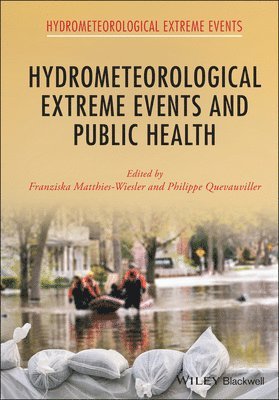
CONTINGENCY PLANNING FOR INCREASED FLOODS AND DROUGHTS RESULTING FROM CLIMATE CHANGE TO PROTECT HUMAN HEALTHHydrometeorological Extreme Events and Public Health outlines the links between climate change, trends in hydrometeorological extreme events, and the effects on human health, and describes new developments in health adaptation and disaster risk management. The work provides technical facts, examples of international and national approaches and scientific projects, and covers key issues such as multi-sectoral collaboration, disaster preparedness, response and recovery, as well as stakeholder involvement, and costs.Readers will find: Specific observed and projected health effects of heavy precipitation events, floods, and droughtsA comprehensive analysis of recent studies on the health costs of extreme weather eventsA discussion of the impact and interdependency of international health and climate agreementsFor professionals working in the areas of hydrology, disaster management and prevention, and in the public health sector, Hydrometeorological Extreme Events and Public Health serves as a comprehensive resource on new challenges resulting from climate change and on how we can plan for and adapt to this uncharted territory to protect human lives and human health. The book is the fifth volume of the Hydrometeorological Extreme Events Series.
Inbunden, Engelska, 2006
2 197 kr
Skickas inom 10-15 vardagar
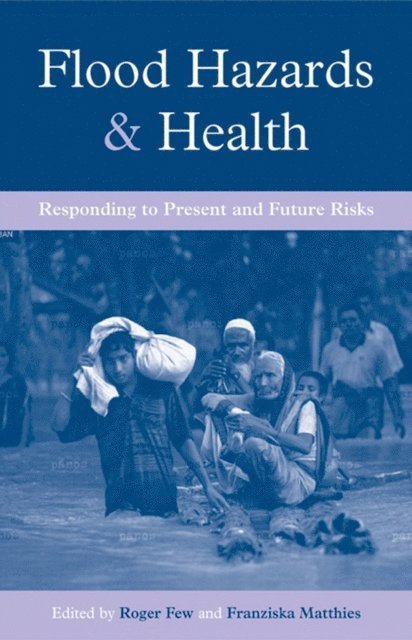
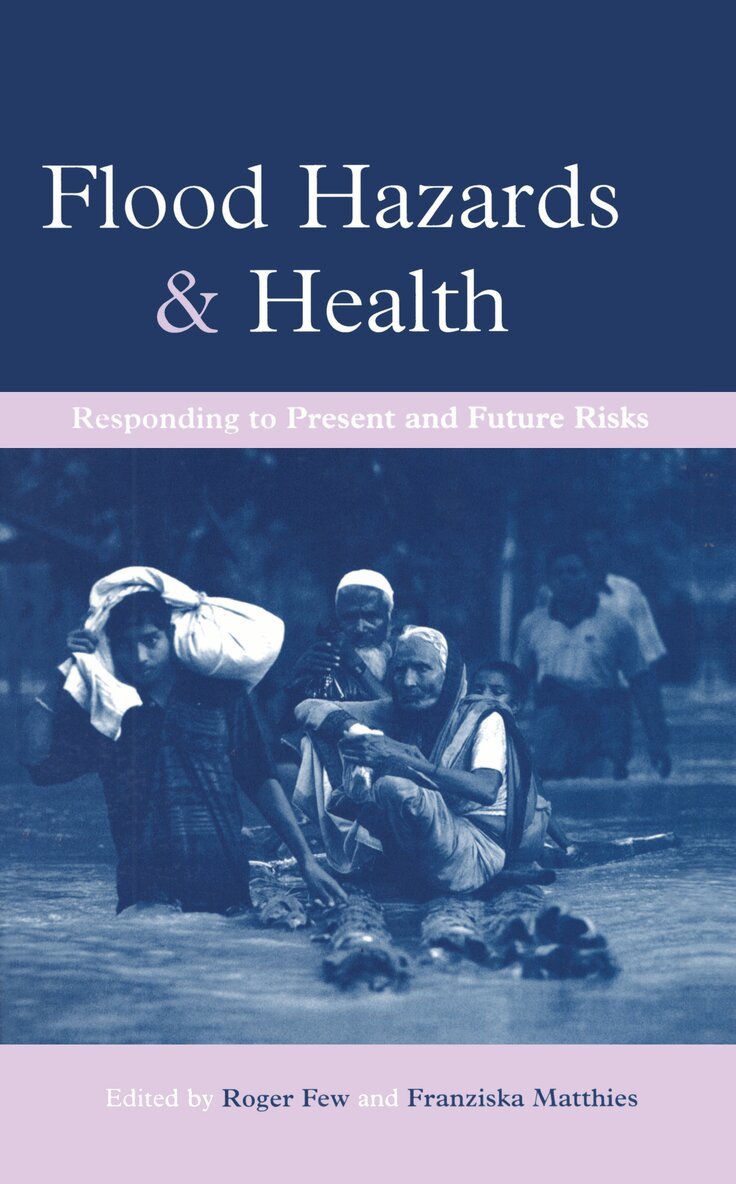
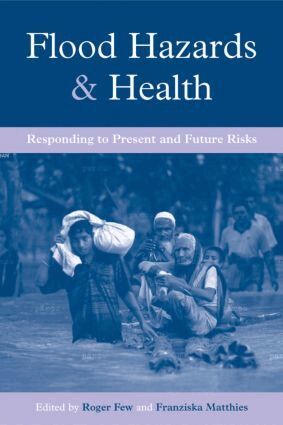
Flood hazards and the risks they present to human health are an increasing concern across the globe, in terms of lives, well-being and livelihoods, and the public resources needed to plan for, and deal with, the health impacts. This book is the first detailed assessment and discussion of the global health implications of flooding and future flood risk. It combines an analysis of the human health impacts of flooding with analysis of individual and societal response to those risks, and sets these findings in light of potential future increases in flood hazard as a result of climate change. Written and edited by leading researchers and practitioners on flood hazards and human health, the volume brings together findings from epidemiological, environmental, social and institutional studies, with analysis rooted in an approach that emphasizes the developmental as well as environmental causes of flood risk, and the socially differentiated nature of vulnerability and coping capacity. The first part of the book sets out the scope of the issues, and provides a detailed discussion of the global health impacts of floods and the nature of human response to the health risks posed. The second part presents new research evidence on specific health aspects of floods covering mental health, infectious diseases, local level responses and the responses of health systems - drawing on case study material from Europe, Africa, Asia and North America, including the impact of Hurricane Katrina in 2005. The conclusion synthesizes insights from the previous chapters and discusses priorities for policy, practice and research. It draws out implications for present and future adaptation to flooding, and emphasizes the need to integrate action on health with the broader agenda of long-term risk reduction. This is indispensable reading for professionals and researchers working on hazard and disaster planning, risk reduction and public health in all countries and contexts.
Häftad, Engelska, 2007
758 kr
Skickas inom 10-15 vardagar
Flood hazards and the risks they present to human health are an increasing concern across the globe, in terms of lives, well-being and livelihoods, and the public resources needed to plan for, and deal with, the health impacts. This book is the first detailed assessment and discussion of the global health implications of flooding and future flood risk. It combines an analysis of the human health impacts of flooding with analysis of individual and societal response to those risks, and sets these findings in light of potential future increases in flood hazard as a result of climate change. Written and edited by leading researchers and practitioners on flood hazards and human health, the volume brings together findings from epidemiological, environmental, social and institutional studies, with analysis rooted in an approach that emphasizes the developmental as well as environmental causes of flood risk, and the socially differentiated nature of vulnerability and coping capacity. The first part of the book sets out the scope of the issues, and provides a detailed discussion of the global health impacts of floods and the nature of human response to the health risks posed. The second part presents new research evidence on specific health aspects of floods covering mental health, infectious diseases, local level responses and the responses of health systems - drawing on case study material from Europe, Africa, Asia and North America, including the impact of Hurricane Katrina in 2005. The conclusion synthesizes insights from the previous chapters and discusses priorities for policy, practice and research. It draws out implications for present and future adaptation to flooding, and emphasizes the need to integrate action on health with the broader agenda of long-term risk reduction. This is indispensable reading for professionals and researchers working on hazard and disaster planning, risk reduction and public health in all countries and contexts.