Franziska Rueedi – författare
Visar alla böcker från författaren . Handla med fri frakt och snabb leverans.
4 produkter
4 produkter
Inbunden, Engelska, 2021
1 245 kr
Skickas inom 5-8 vardagar
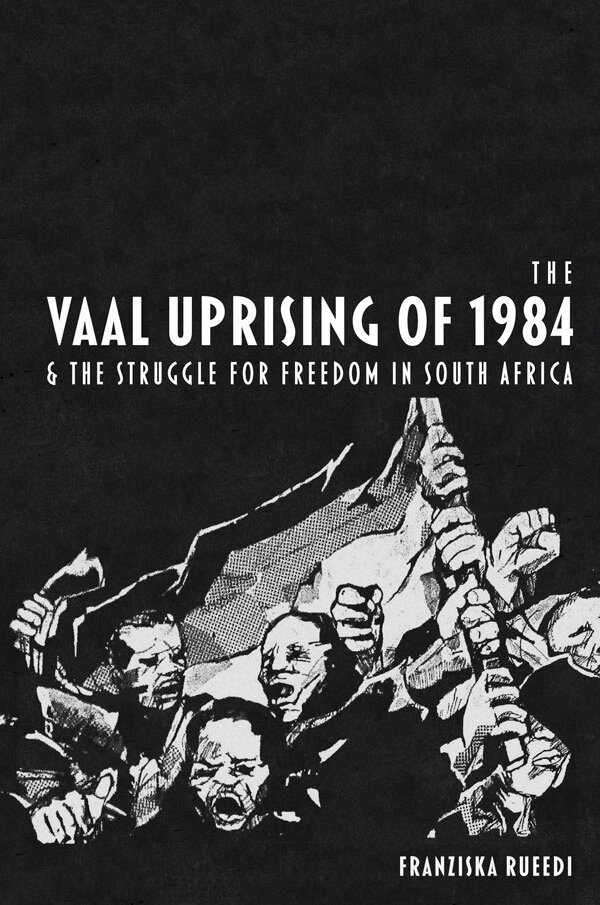
Offers new insights into the struggle against Apartheid, and the poverty and inequality that instigated political resistance.On 3 September 1984 a bloody uprising set the African townships of the Vaal Triangle aflame. Triggered by dissatisfaction over rent increases and a local government that was failing to provide any meaningful political power or social transformation to the black majority, it heralded the insurrectionary period that was to profoundly challenge the administrative and coercive capacities of the apartheid state and greatly contribute towards its demise. Led by a broad coalition of civic organisations, student bodies and trade unions, nationwide protests followed demanding a new political and social order. By the mid-1980s the ideological influence of the African National Congress (ANC) had established its hegemony among township activists and was regarded as the main force in the liberation struggle.Arguing that liberation from poverty and inequality played as significant role in driving the struggle against apartheid as political rights, Rueedi shows how the enactment of the ideals of the 1955 Freedom Charter during the insurrectionary period shaped how communities understood liberation and freedom, both during and after apartheid. She explores the ways in which the establishment and subsequent failure of the model townships was intertwined with struggles for social transformation and dignity; investigates the links between underground networks of the ANC and above ground community structures; and examines how increasing state repression fuelled militancy and political violence, leading to an impasse that signalled the beginning of the end of the apartheid regime.
Häftad, Engelska, 2023
359 kr
Skickas inom 5-8 vardagar
Offers new insights into the struggle against Apartheid, and the poverty and inequality that instigated political resistance.On 3 September 1984 a bloody uprising set the African townships of the Vaal Triangle aflame. Triggered by dissatisfaction over rent increases and a local government that was failing to provide any meaningful political power or social transformation to the black majority, it heralded the insurrectionary period that was to profoundly challenge the administrative and coercive capacities of the apartheid state and greatly contribute towards its demise. Led by a broad coalition of civic organisations, student bodies and trade unions, nationwide protests followed demanding a new political and social order. By the mid-1980s the ideological influence of the African National Congress (ANC) had established its hegemony among township activists and was regarded as the main force in the liberation struggle.Arguing that liberation from poverty and inequality played as significant role in driving the struggle against apartheid as political rights, Rueedi shows how the enactment of the ideals of the 1955 Freedom Charter during the insurrectionary period shaped how communities understood liberation and freedom, both during and after apartheid. She explores the ways in which the establishment and subsequent failure of the model townships was intertwined with struggles for social transformation and dignity; investigates the links between underground networks of the ANC and above ground community structures; and examines how increasing state repression fuelled militancy and political violence, leading to an impasse that signalled the beginning of the end of the apartheid regime.
E-bok
PDF, Engelska, 2016398 kr
Läs direkt efter köp
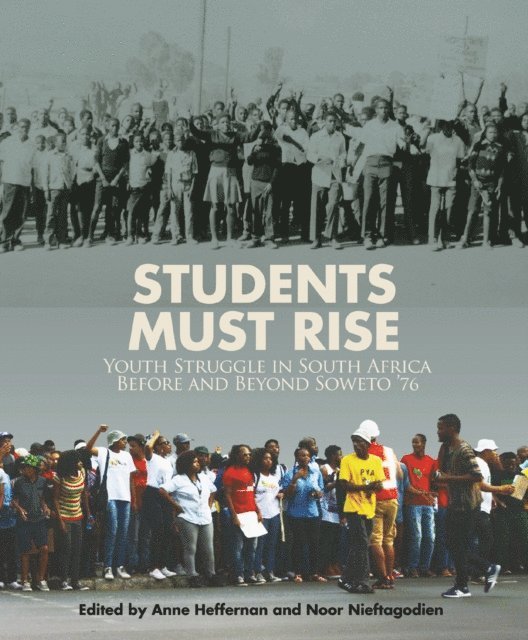
The Soweto Student Uprising of 1976 was a decisive moment in the struggle against apartheid. It marked the expansion of political activism to a new generation of young activists, but beyond that it inscribed the role that young people of subsequent generations could play in their country’s future. Since that momentous time students have held a special place in the collective imaginary of South African history. Drawing on research and writing by leading scholars and prominent activists, Students Must Rise takes Soweto ’76 as its pivot point, but looks at student and youth activism in South Africa more broadly by considering what happened before and beyond the Soweto moment. Early chapters assess the impact of the anti-pass campaigns of the 1950s, of political ideologies like black consciousness as well as of religion and culture in fostering political consciousness and organisation among youth and students in townships and rural areas. Later chapters explore the wide-reaching impact of June 16th itself for student organisation over the next two decades across the country. Two final chapters consider contemporary student-based political movements, including #RhodesMustFall and #FeesMustFall, and historically root these in the long and rich tradition of student activism in South Africa. 2016 marks the 40th anniversary of the 1976 June 16th uprisings. This book rethinks the conventional narrative of youth and student activism in South Africa by placing that most famous of moments – the 1976 students’ uprising in Soweto – in a deeper historical and geographic context.
398 kr
Läs direkt efter köp
The Soweto Student Uprising of 1976 was a decisive moment in the struggle against apartheid. It marked the expansion of political activism to a new generation of young activists, but beyond that it inscribed the role that young people of subsequent generations could play in their country’s future. Since that momentous time students have held a special place in the collective imaginary of South African history. Drawing on research and writing by leading scholars and prominent activists, Students Must Rise takes Soweto ’76 as its pivot point, but looks at student and youth activism in South Africa more broadly by considering what happened before and beyond the Soweto moment. Early chapters assess the impact of the anti-pass campaigns of the 1950s, of political ideologies like black consciousness as well as of religion and culture in fostering political consciousness and organisation among youth and students in townships and rural areas. Later chapters explore the wide-reaching impact of June 16th itself for student organisation over the next two decades across the country. Two final chapters consider contemporary student-based political movements, including #RhodesMustFall and #FeesMustFall, and historically root these in the long and rich tradition of student activism in South Africa. 2016 marks the 40th anniversary of the 1976 June 16th uprisings. This book rethinks the conventional narrative of youth and student activism in South Africa by placing that most famous of moments – the 1976 students’ uprising in Soweto – in a deeper historical and geographic context.