Fred Heimbach – författare
Visar alla böcker från författaren Fred Heimbach. Handla med fri frakt och snabb leverans.
11 produkter
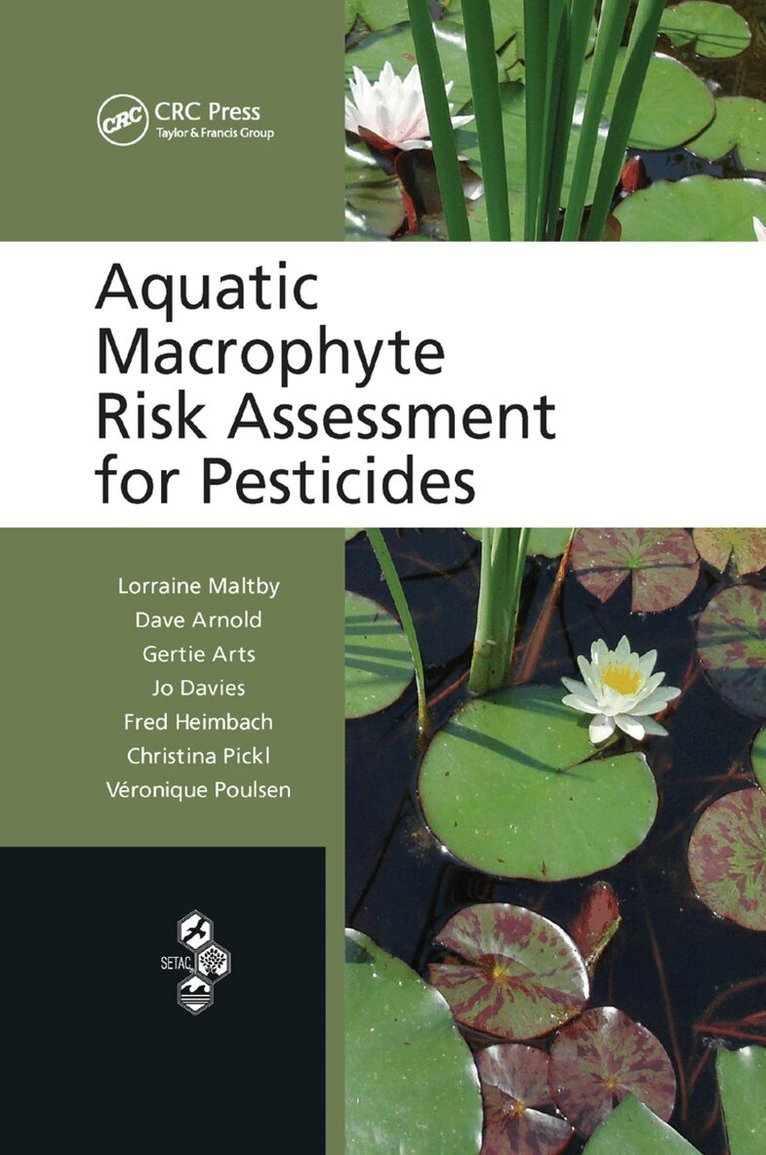
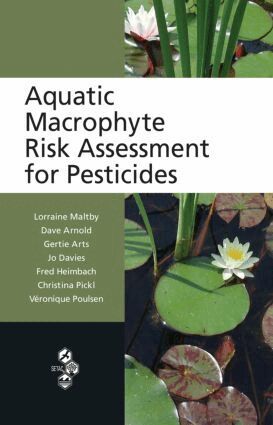
Aquatic Macrophyte Risk Assessment for Pesticides
Av Lorraine Maltby, Dave Arnold m. fl.
Häftad, 2019
1069 kr
Lägg i varukorg
Given the essential role that primary producers play in aquatic ecosystems, it is imperative that the potential risk of pesticides to the structure and functioning of aquatic plants is adequately assessed. An integration of regulatory and research information from key specialists in the area of …
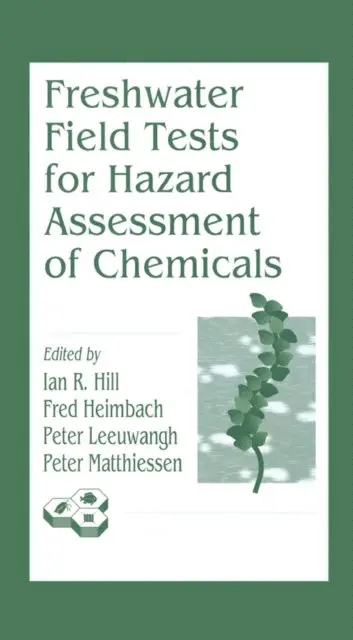
Freshwater Field Tests for Hazard Assessment of Chemicals
Av Ian R. Hill, Fred Heimbach m. fl.
Inbunden, 1994
4236 kr
Lägg i varukorg
Freshwater field tests are an integral part of the process of hazard assessment of pesticides and other chemicals in the environment. This book brings together international experts on microcosms and mesocosms for a critical appraisal of theory and practice on the subject of freshwater field tests …
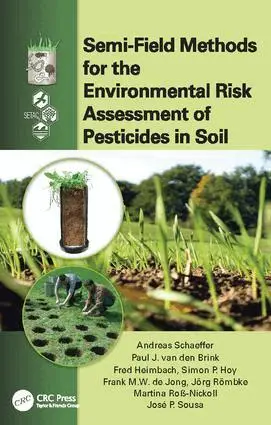
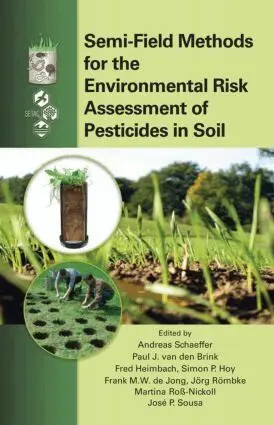
Semi-Field Methods for the Environmental Risk Assessment of Pesticides in Soil
Av Andreas Schaeffer, Paul J. van den Brink m. fl.
Häftad, 2017
1247 kr
Lägg i varukorg
Based on discussions at the 2007 SETAC Europe PERAS Workshop in Coimbra, Semi-Field Methods for the Environmental Risk Assessment of Pesticides in Soil presents a timely summary of state-of-the-art higher-tier terrestrial risk assessment of plant protection products (PPPs). Influential regulators, …
Freshwater Field Tests for Hazard Assessment of Chemicals
Av Peter Matthiessen, Peter Leeuwangh m. fl.
E-bok, 2018
5021 kr
Lägg i varukorg
Freshwater field tests are an integral part of the process of hazard assessment of pesticides and other chemicals in the environment. This book brings together international experts on microcosms and mesocosms for a critical appraisal of theory and practice on the subject of freshwater field tests …
Freshwater Field Tests for Hazard Assessment of Chemicals
Av Peter Matthiessen, Peter Leeuwangh m. fl.
E-bok, 2018
5021 kr
Lägg i varukorg
Freshwater field tests are an integral part of the process of hazard assessment of pesticides and other chemicals in the environment. This book brings together international experts on microcosms and mesocosms for a critical appraisal of theory and practice on the subject of freshwater field tests …
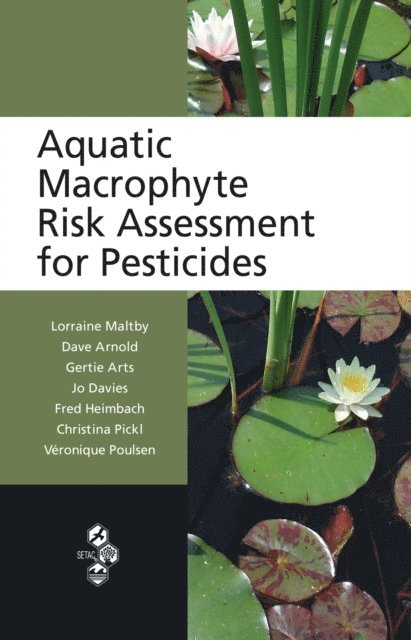
Aquatic Macrophyte Risk Assessment for Pesticides
Av Lorraine Maltby, Dave Arnold m. fl.
Inbunden, 2009
2749 kr
Lägg i varukorg
Given the essential role that primary producers play in aquatic ecosystems, it is imperative that the potential risk of pesticides to the structure and functioning of aquatic plants is adequately assessed. An integration of regulatory and research information from key specialists in the area of …
Aquatic Macrophyte Risk Assessment for Pesticides
Av Veronique Poulsen, Christina Pickl m. fl.
E-bok, 2009
1302 kr
Lägg i varukorg
Given the essential role that primary producers play in aquatic ecosystems, it is imperative that the potential risk of pesticides to the structure and functioning of aquatic plants is adequately assessed. An integration of regulatory and research information from key specialists in the area of …
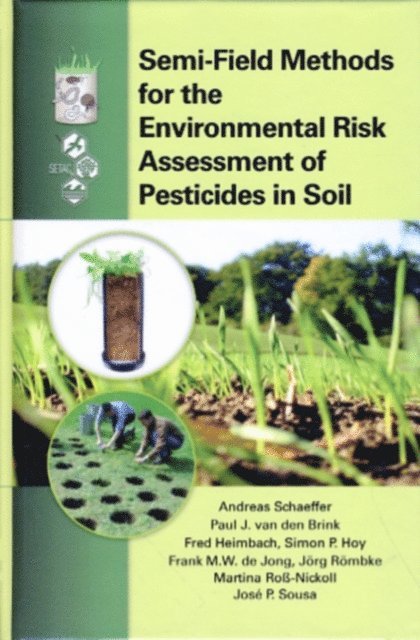
Semi-Field Methods for the Environmental Risk Assessment of Pesticides in Soil
Av Andreas Schaeffer, Paul J. van den Brink m. fl.
Inbunden, 2010
3386 kr
Lägg i varukorg
Based on discussions at the 2007 SETAC Europe PERAS Workshop in Coimbra, Semi-Field Methods for the Environmental Risk Assessment of Pesticides in Soil presents a timely summary of state-of-the-art higher-tier terrestrial risk assessment of plant protection products (PPPs). Influential regulators, …
Semi-Field Methods for the Environmental Risk Assessment of Pesticides in Soil
Av Jose P. Sousa, Martina Ro-Nickoll m. fl.
E-bok, 2010
1440 kr
Lägg i varukorg
Based on discussions at the 2007 SETAC Europe PERAS Workshop in Coimbra, Semi-Field Methods for the Environmental Risk Assessment of Pesticides in Soil presents a timely summary of state-of-the-art higher-tier terrestrial risk assessment of plant protection products (PPPs). Influential regulators, …
Aquatic Macrophyte Risk Assessment for Pesticides
Av Veronique Poulsen, Christina Pickl m. fl.
E-bok, 2009
1237 kr
Lägg i varukorg
Given the essential role that primary producers play in aquatic ecosystems, it is imperative that the potential risk of pesticides to the structure and functioning of aquatic plants is adequately assessed. An integration of regulatory and research information from key specialists in the area of …
Semi-Field Methods for the Environmental Risk Assessment of Pesticides in Soil
Av Jose P. Sousa, Martina Ro-Nickoll m. fl.
E-bok, 2010
1440 kr
Lägg i varukorg
Based on discussions at the 2007 SETAC Europe PERAS Workshop in Coimbra, Semi-Field Methods for the Environmental Risk Assessment of Pesticides in Soil presents a timely summary of state-of-the-art higher-tier terrestrial risk assessment of plant protection products (PPPs). Influential regulators, …