Frederick J. de Serres – författare
Visar alla böcker från författaren Frederick J. de Serres. Handla med fri frakt och snabb leverans.
7 produkter
7 produkter
Häftad, Engelska, 2011
565 kr
Skickas inom 10-15 vardagar
Volume 9 of Chemical Mutagens consists mainly of chapters discussing the development and validation of short-term assays to detect the mutagenic effects of environmental chemicals. These chapters include an assay with the grasshopper neuroblast, a comparison of mutagenic responses of human lung-derived and skin-derived diploid fibroblasts, a forward-mutation assay in Salmonella, a multigene sporulation test in Bacillus subtilis, a specific locus assay in mouse lymphoma cells, a study of the induction of bacteriophage lambda, and the granuloma pouch assay. In addition, there are two chapters on the identification of mutagens in cooked food and in human feces. Frederick 1. de Serres Research Triangle Park, North Carolina vii Contents Chapter 1 The Grasshopper Neuroblast Short-Term Assay for Evaluating the Effects of Environmental Chemicals on Chromosomes and Cell Kinetics 1 Mary Esther Gaulden, Jan C. Liang, and Martha J. Ferguson 1. Introduction. . . . . . . . . . . . . . . . . . . . . . . . . . . . . . . . . . . . 1 2. Embryo Supply. . . . . . . . . . . . . . . . . . . . . . . . . . . . . . . . . . 4 2. 1. Species. . . . . . . . . . . . . . . . . . . . . . . . . . . . . . . . . . . . 4 2. 2. Origin of Colonies . . . . . . . . . . . . . . . . . . . . . . . . . . . 4 2. 3. Life Cycle . . . . . . . . . . . . . . . . . . . . . . . . . . . . . . . . . 5 2. 4. Colony Maintenance . . . . . . . . . . . . . . . . . . . . . . . . . 6 2. 5. Pathology . . . . . . . . . . . . . . . . . . . . . . . . . . . . . . . . . 13 2. 6. Allergy to Grasshoppers . . . . . . . . . . . . . . . . . . . . . . 14 3. Grasshopper Egg, Embryo, and Cells . . . . . . . . . . . . . . . . . 14 3. 1. The Egg Shell and Membranes . . . . . . . . . . . . . . . . . 14 3. 2. Embryonic Development . . . . . . . .. . . . . . . . . . . . . . 17 3. 3. Cells . . . . . . . . . . . . . . . . . . . . . . . . . . . . . . . . . . . . . 20 4. Methods . . . . . . . . . . . . . . . . . . . . . . . . . . . . . . . . . . . . . . . 26 4. 1. Exposure . . . . . . . . . . . . . . . . . . . . . . . . . . . . . . . . . . 26 4. 2. Preparation of Embryos for Cell Analysis . . . . . . . . . 34 4. 3. Analysis of Mutagen Effects. . . . . . . . . . . . . . . . . 40 . . . 5. Response of the Grasshopper Neuroblast to Mutagens . . . . 50 5. 1. Reproducibility of Data . . . . . . . . . . . . . . . . . . . . . . . 50 5. 2. Radiation. . . . . . . . . . . . . . . . . . . . . . . . . . . . . . . . . . 51 5. 3. Chemical Mutagens . . . . . . . . . . . . . . . . . . . . . . . . . .
Häftad, Engelska, 2012
549 kr
Skickas inom 10-15 vardagar
As a result of the industrial revolution, man's technological achievements have been truly great, increasing the quality of life to almost unimagined proportions; but all this progress has not been accomplished without equally un imagined health risks. Sufficiently diagnostic short-term assay procedures have been developed in recent years for us to determine that there are mutagenic agents among thou sands of chemicals to which the human population is exposed today. These chemicals were not significantly present prior to the indus trial revolution. As of today, there are no procedures available which have been adequately demonstrated to assess individual sus ceptibility to genotoxic exposures, and as a result we have had to rely on extrapolating toxicological data from animal model systems. The question is can we afford to allow such an increased environ mental selection pressure via mutagenic exposures to occur without expecting adverse long-term effects on our health. It is apparent from this line of reasoning that what is lacking and immediately needed are test procedures that can be applied to humans to assess genotoxic exposure as well as individual susceptibility to it. There have already been two conferences which have focused at tention on this research area. "Guidelines for studies of human populations exposed to mutagenic and reproductive hazards" (A. D. Bloom, ed., March of Dimes Birth Defects Foundation, White Plains, New York, 1981) and "Indicators of genotoxic exposure in humans" (Banbury Report 13, B. A. Bridges, B. E. Butterworth, and I. B.
E-bok
PDF, Engelska, 2012708 kr
Läs direkt efter köp
Volume 9 of Chemical Mutagens consists mainly of chapters discussing the development and validation of short-term assays to detect the mutagenic effects of environmental chemicals. These chapters include an assay with the grasshopper neuroblast, a comparison of mutagenic responses of human lung-derived and skin-derived diploid fibroblasts, a forward-mutation assay in Salmonella, a multigene sporulation test in Bacillus subtilis, a specific locus assay in mouse lymphoma cells, a study of the induction of bacteriophage lambda, and the granuloma pouch assay. In addition, there are two chapters on the identification of mutagens in cooked food and in human feces. Frederick 1. de Serres Research Triangle Park, North Carolina vii Contents Chapter 1 The Grasshopper Neuroblast Short-Term Assay for Evaluating the Effects of Environmental Chemicals on Chromosomes and Cell Kinetics 1 Mary Esther Gaulden, Jan C. Liang, and Martha J. Ferguson 1. Introduction. . . . . . . . . . . . . . . . . . . . . . . . . . . . . . . . . . . . 1 2. Embryo Supply. . . . . . . . . . . . . . . . . . . . . . . . . . . . . . . . . . 4 2. 1. Species. . . . . . . . . . . . . . . . . . . . . . . . . . . . . . . . . . . . 4 2. 2. Origin of Colonies . . . . . . . . . . . . . . . . . . . . . . . . . . . 4 2. 3. Life Cycle . . . . . . . . . . . . . . . . . . . . . . . . . . . . . . . . . 5 2. 4. Colony Maintenance . . . . . . . . . . . . . . . . . . . . . . . . . 6 2. 5. Pathology . . . . . . . . . . . . . . . . . . . . . . . . . . . . . . . . . 13 2. 6. Allergy to Grasshoppers . . . . . . . . . . . . . . . . . . . . . . 14 3. Grasshopper Egg, Embryo, and Cells . . . . . . . . . . . . . . . . . 14 3. 1. The Egg Shell and Membranes . . . . . . . . . . . . . . . . . 14 3. 2. Embryonic Development . . . . . . . .. . . . . . . . . . . . . . 17 3. 3. Cells . . . . . . . . . . . . . . . . . . . . . . . . . . . . . . . . . . . . . 20 4. Methods . . . . . . . . . . . . . . . . . . . . . . . . . . . . . . . . . . . . . . . 26 4. 1. Exposure . . . . . . . . . . . . . . . . . . . . . . . . . . . . . . . . . . 26 4. 2. Preparation of Embryos for Cell Analysis . . . . . . . . . 34 4. 3. Analysis of Mutagen Effects. . . . . . . . . . . . . . . . . 40 . . . 5. Response of the Grasshopper Neuroblast to Mutagens . . . . 50 5. 1. Reproducibility of Data . . . . . . . . . . . . . . . . . . . . . . . 50 5. 2. Radiation. . . . . . . . . . . . . . . . . . . . . . . . . . . . . . . . . . 51 5. 3. Chemical Mutagens . . . . . . . . . . . . . . . . . . . . . . . . . .
E-bok
PDF, Engelska, 2012687 kr
Läs direkt efter köp
As a result of the industrial revolution, man''s technological achievements have been truly great, increasing the quality of life to almost unimagined proportions; but all this progress has not been accomplished without equally un imagined health risks. Sufficiently diagnostic short-term assay procedures have been developed in recent years for us to determine that there are mutagenic agents among thou sands of chemicals to which the human population is exposed today. These chemicals were not significantly present prior to the indus trial revolution. As of today, there are no procedures available which have been adequately demonstrated to assess individual sus ceptibility to genotoxic exposures, and as a result we have had to rely on extrapolating toxicological data from animal model systems. The question is can we afford to allow such an increased environ mental selection pressure via mutagenic exposures to occur without expecting adverse long-term effects on our health. It is apparent from this line of reasoning that what is lacking and immediately needed are test procedures that can be applied to humans to assess genotoxic exposure as well as individual susceptibility to it. There have already been two conferences which have focused at tention on this research area. "Guidelines for studies of human populations exposed to mutagenic and reproductive hazards" (A. D. Bloom, ed., March of Dimes Birth Defects Foundation, White Plains, New York, 1981) and "Indicators of genotoxic exposure in humans" (Banbury Report 13, B. A. Bridges, B. E. Butterworth, and I. B.
E-bok
PDF, Engelska, 20121 142 kr
Läs direkt efter köp
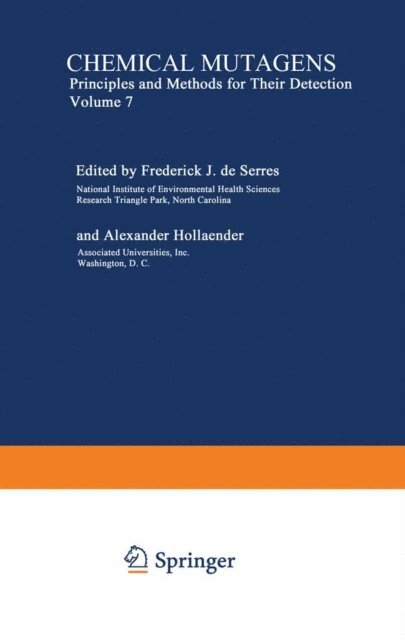
New developments in the study of environmental mutagens continue to evolve in this rapidly emerging field. In Volume 7 of Chemical Mutagens, we have focused on various new techniques for the detection of genetic damage in somatic cells and germ cells of mammals and the use of lower eukaryotic microorganisms to detect aneuploidy as well as other types of genetic damage. Attention has also been given to the role of in vitro metabolic activation as a mechanism for modifying the genetic effects of different environmental chemicals. In a chapter on compar ative mutagenesis, reaction kinetics and their relationship to the mu tagenic action of monofunctional alkylating agents in higher eukaryotic organisms are examined. In another chapter, the pharmacology and toxicology of nitrites and nitrates, which are in widespread distribution in the environment, are discussed in detail. The books in this series have provided a mechanism for the publication of many important new developments in the study of the genetic effects of environmental chemicals. This series was launched by Dr. Alexander Hollaender who, beginning in 1971, edited Volumes 1-4 and then coedited Volumes 5-7. The success of his lO-year effort with these volumes is another testimony to Dr. Hollaender''s many contri butions to the field of environmental mutagenesis. As Dr.
E-bok
PDF, Engelska, 2013687 kr
Läs direkt efter köp
The study of the relationship between environmental pollution and human health is in its infancy. The number of substances and mixtures that have been identified in uncontrolled hazardous waste sites or that have been in advertently released into the environment is large and data on how thes~ substances are modified as they interact with one another as they migrate through soil, air, and water are limited. There are also limits on our un derstanding of how these substances may be ingested, inhaled, or absorbed by people. The complexity of possible interactions between biological, chemical, and physical components in a given environment makes it virtually impossible to evaluate the potential for adverse biological effects ade quately in the laboratory. Other, more comprehensive methods which provide realistic and interpretable results must be used. Many scientists believe that humans represent the ultimate sentinel species of a toxic exposure re sUlting from environmental pollution, however such exposures may also se verely impact environmental health. There exists a wide variety of organ isms in the natural environment that could be used to provide an early warning for potential human health effects as well as to indicate adverse ecological effects. The issue of effective utilization of sentinel species for environment al monitoring is a rapidly developing area of research which has grown in importance during the last decade.
Del 38 - Environmental Science Research
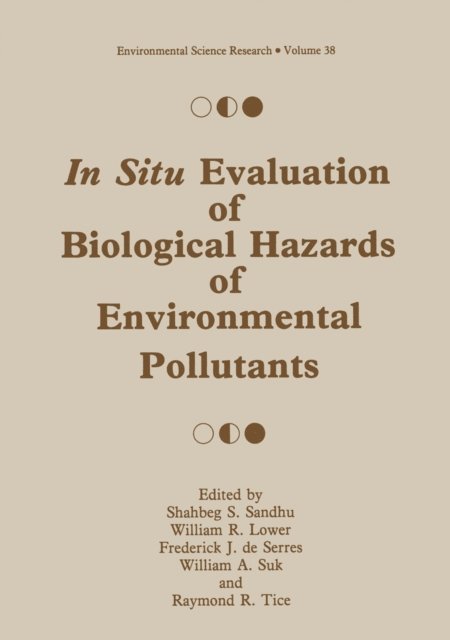
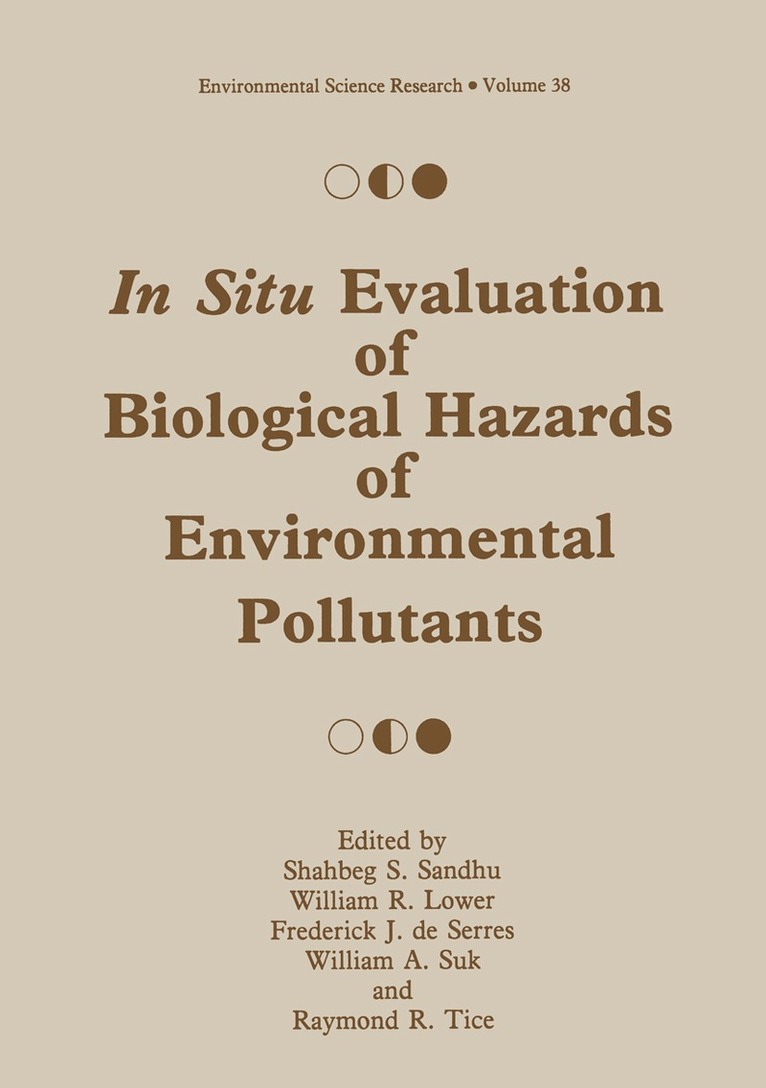
In Situ Evaluation of Biological Hazards of Environmental Pollutants
Häftad, Engelska, 2012
549 kr
Skickas inom 10-15 vardagar
The study of the relationship between environmental pollution and human health is in its infancy. The number of substances and mixtures that have been identified in uncontrolled hazardous waste sites or that have been in advertently released into the environment is large and data on how thes~ substances are modified as they interact with one another as they migrate through soil, air, and water are limited. There are also limits on our un derstanding of how these substances may be ingested, inhaled, or absorbed by people. The complexity of possible interactions between biological, chemical, and physical components in a given environment makes it virtually impossible to evaluate the potential for adverse biological effects ade quately in the laboratory. Other, more comprehensive methods which provide realistic and interpretable results must be used. Many scientists believe that humans represent the ultimate sentinel species of a toxic exposure re sUlting from environmental pollution, however such exposures may also se verely impact environmental health. There exists a wide variety of organ isms in the natural environment that could be used to provide an early warning for potential human health effects as well as to indicate adverse ecological effects. The issue of effective utilization of sentinel species for environment al monitoring is a rapidly developing area of research which has grown in importance during the last decade.