Frederick Mansfield Hodges – författare
Visar alla böcker från författaren . Handla med fri frakt och snabb leverans.
9 produkter
9 produkter
Inbunden, Engelska, 1999
2 146 kr
Skickas inom 10-15 vardagar
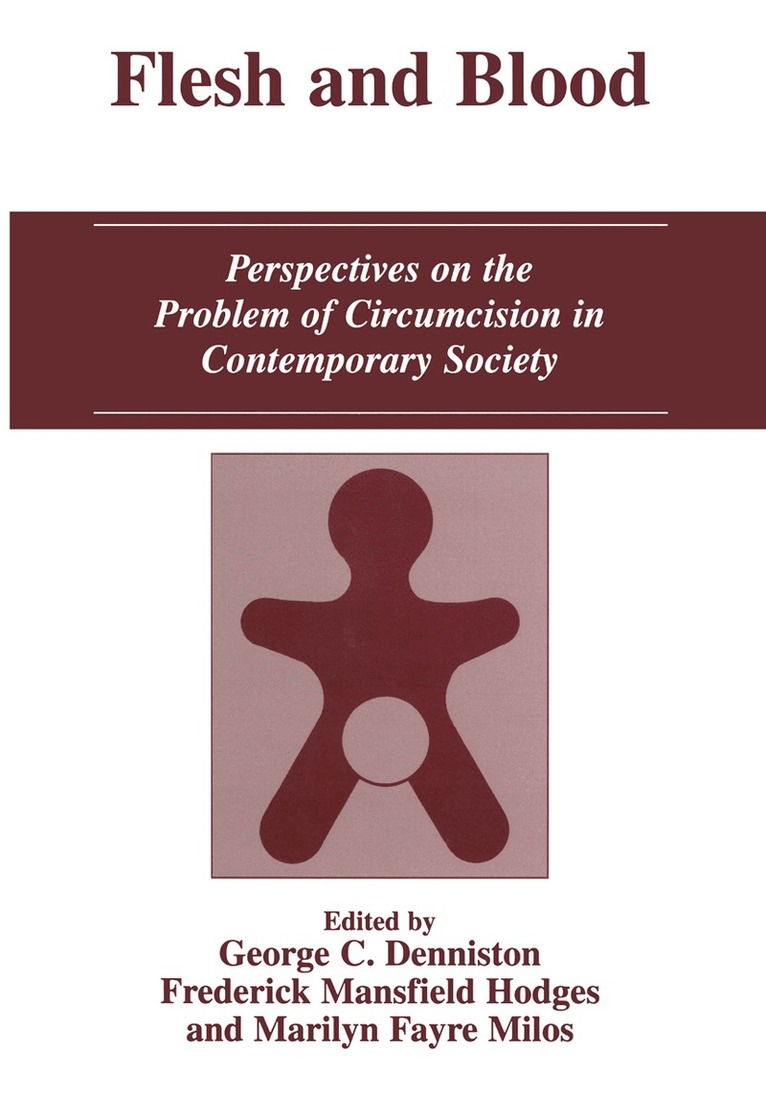
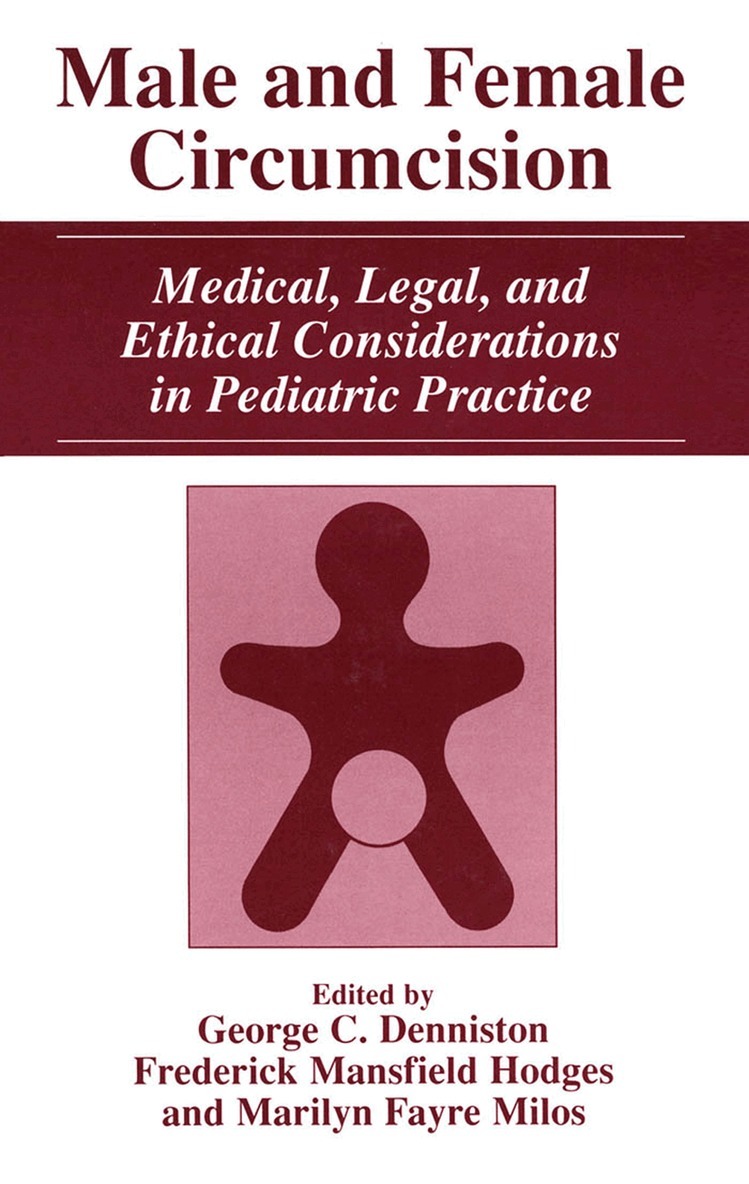
International respected experts in the fields of medicine, science, politics, law, ethics, sociology, anthropology, history and religion present the latest research, documentation and analysis of this world-wide problem, focusing on the ethical, political and legal aspects of sexual mutilation;
Inbunden, Engelska, 2001
1 659 kr
Skickas inom 10-15 vardagar
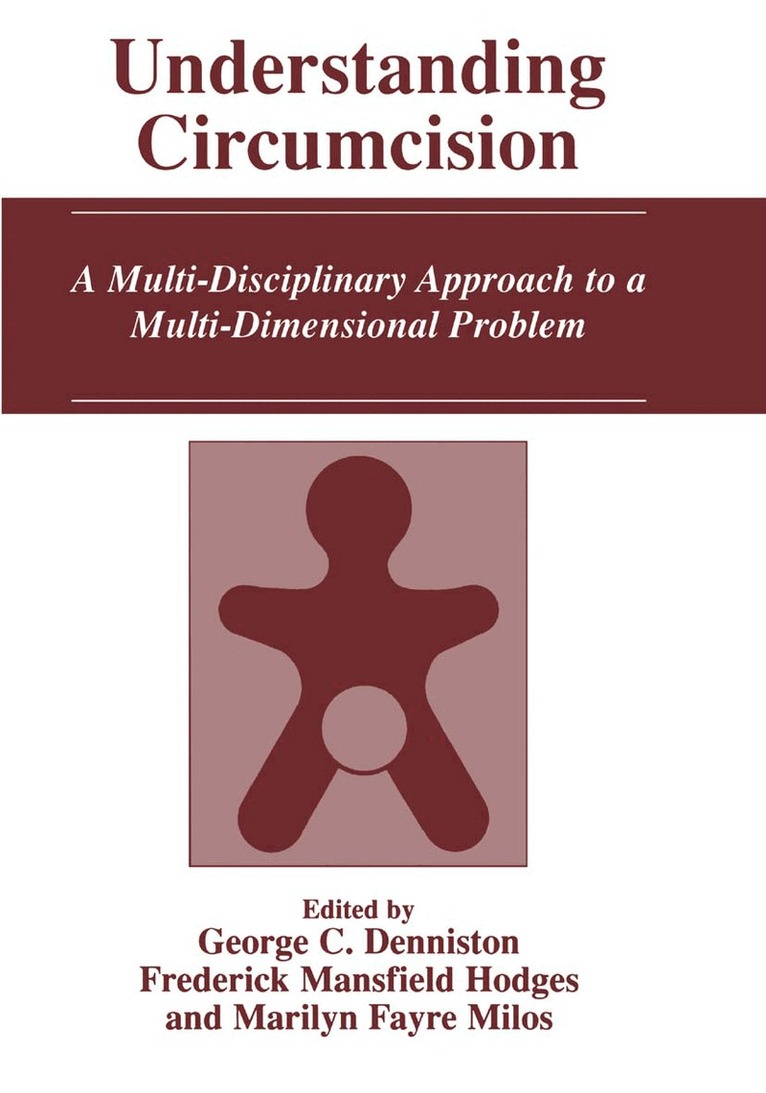
Every year, in the United States and the third world combined, 13.3 million boys and 2 million girls are circumcised. Whether because of perceived medical, cultural, or religious necessity, most of these parents feel they have no alternative but to allow their children to undergo this surgery. Sparking intense debate, the circumcision of children is a highly controversial and complex phenomenon that touches a variety of sociological areas, such as religious beliefs, identity issues, medical conceptualizations, fear, and superstition. The contributors to this volume comprise an international panel of experts in the fields of medicine, psychology, law, ethics, sociology, anthropology, history, theology, and politics. In 18 chapters they discuss the history of circumcision; document the physical and psychological consequences of circumcision; present the latest anatomical discoveries about the male prepuce; analyze the role of circumcision in various traditions; reveal the medical industry's investment in the practice; describe current legislative efforts to protect children from circumcision; and outline effective, culturally sensitive methods that are being implemented today to safeguard the human rights of at-risk children.For its insights into this troubling aspect of culture, Understanding Circumcision: A Multi-Disciplinary Approach to a Multi-Dimensional Problem is a critically important contribution to the growing body of literature on this subject.
Inbunden, Engelska, 2003
1 611 kr
Skickas inom 10-15 vardagar
Who owns your sex organs? Different cultures today and in different epochs have given a variety of answers to this question. It may seem self evident that every individual owns and has sovereignty over his or her own body parts, such as the head, legs, nose, stomach, pancreas, and other body parts. The sex organs, however, seem to be an exception. Even though they are as much an integral part of the individual as a leg or a liver, the sex organs are unique in that many cultures have established laws and taboos over the use and even the mere display of the sex organs. Thus, certain cultures have placed constraints over the individual's ownership of his or her sex organs and actively regulate and restrict the individual's access and use of those organs. In other cultures, the question of ownership of the sex organs is more decisively answered. In any culture where circumcision to any degree of either the male or female is practiced, permitted, encouraged, or even merely tolerated, it is clear that the individual is not considered to own his own sex organs. In the United States today, the medical establishment has created an is considered acceptable and desirable that anyone for environment where it any reason can authorize or execute the amputation of the foreskin from a male child's penis.
E-bok
PDF, Engelska, 20072 840 kr
Läs direkt efter köp
Every year around the world 13.3 million boys and 2 million girls have part or all of their external sex organs cut off. Doctors, parents, and politicians have been misled into thinking that these mutilations are beneficial, necessary and harmless. International respected experts in the fields of medicine, science, politics, law, ethics, sociology, anthropology, history and religion present the latest research, documentation and analysis of this world-wide problem, focusing on the ethical, political and legal aspects of sexual mutilation; the cost and burden to healthcare systems; the latest medical research; anatomical and function consequences; religious and cultural aspects; psychological aspects; and the world-wide campaign to end sexual mutilation.
Häftad, Engelska, 2010
1 483 kr
Skickas inom 10-15 vardagar
Every year, in the United States and the third world combined, 13.3 million boys and 2 million girls are circumcised. Whether because of perceived medical, cultural, or religious necessity, most of these parents feel they have no alternative but to allow their children to undergo this surgery. Sparking intense debate, the circumcision of children is a highly controversial and complex phenomenon that touches a variety of sociological areas, such as religious beliefs, identity issues, medical conceptualizations, fear, and superstition. The contributors to this volume comprise an international panel of experts in the fields of medicine, psychology, law, ethics, sociology, anthropology, history, theology, and politics. In 18 chapters they discuss the history of circumcision; document the physical and psychological consequences of circumcision; present the latest anatomical discoveries about the male prepuce; analyze the role of circumcision in various traditions; reveal the medical industry's investment in the practice; describe current legislative efforts to protect children from circumcision; and outline effective, culturally sensitive methods that are being implemented today to safeguard the human rights of at-risk children.For its insights into this troubling aspect of culture, Understanding Circumcision: A Multi-Disciplinary Approach to a Multi-Dimensional Problem is a critically important contribution to the growing body of literature on this subject.
Häftad, Engelska, 2010
1 612 kr
Skickas inom 10-15 vardagar
This book illuminates the vulnerability of human society to medical, economic, and historical pressures. It provides a much needed thoughtful and detailed analysis of the impact of circumcision on human rights and the development of the concept of bodily integrity. In this last sense, the challenge posed by the contemporary cultural disregard for the individual's right to control his own body and sexual destiny serves as a vivid example of how medicine has played a decisive role in shaping and defining cultural attitudes towards male sexuality and the male body.
E-bok
PDF, Engelska, 20131 880 kr
Läs direkt efter köp
Every year, in the United States and the third world combined, 13.3 million boys and 2 million girls are circumcised. Whether because of perceived medical, cultural, or religious necessity, most of these parents feel they have no alternative but to allow their children to undergo this surgery. Sparking intense debate, the circumcision of children is a highly controversial and complex phenomenon that touches a variety of sociological areas, such as religious beliefs, identity issues, medical conceptualizations, fear, and superstition. The contributors to this volume comprise an international panel of experts in the fields of medicine, psychology, law, ethics, sociology, anthropology, history, theology, and politics. In 18 chapters they discuss the history of circumcision; document the physical and psychological consequences of circumcision; present the latest anatomical discoveries about the male prepuce; analyze the role of circumcision in various traditions; reveal the medical industry''s investment in the practice; describe current legislative efforts to protect children from circumcision; and outline effective, culturally sensitive methods that are being implemented today to safeguard the human rights of at-risk children. For its insights into this troubling aspect of culture, Understanding Circumcision: A Multi-Disciplinary Approach to a Multi-Dimensional Problem is a critically important contribution to the growing body of literature on this subject.
E-bok
PDF, Engelska, 20132 049 kr
Läs direkt efter köp
Who owns your sex organs? Different cultures today and in different epochs have given a variety of answers to this question. It may seem self evident that every individual owns and has sovereignty over his or her own body parts, such as the head, legs, nose, stomach, pancreas, and other body parts. The sex organs, however, seem to be an exception. Even though they are as much an integral part of the individual as a leg or a liver, the sex organs are unique in that many cultures have established laws and taboos over the use and even the mere display of the sex organs. Thus, certain cultures have placed constraints over the individual''s ownership of his or her sex organs and actively regulate and restrict the individual''s access and use of those organs. In other cultures, the question of ownership of the sex organs is more decisively answered. In any culture where circumcision to any degree of either the male or female is practiced, permitted, encouraged, or even merely tolerated, it is clear that the individual is not considered to own his own sex organs. In the United States today, the medical establishment has created an is considered acceptable and desirable that anyone for environment where it any reason can authorize or execute the amputation of the foreskin from a male child''s penis.
Häftad, Engelska, 2013
2 146 kr
Skickas inom 10-15 vardagar
Every year around the world 13.3 million boys and 2 million girls have part or all of their external sex organs cut off. Doctors, parents, and politicians have been misled into thinking that these mutilations are beneficial, necessary and harmless. International respected experts in the fields of medicine, science, politics, law, ethics, sociology, anthropology, history and religion present the latest research, documentation and analysis of this world-wide problem, focusing on the ethical, political and legal aspects of sexual mutilation; the cost and burden to healthcare systems; the latest medical research; anatomical and function consequences; religious and cultural aspects; psychological aspects; and the world-wide campaign to end sexual mutilation.