Frederick R. Schram – författare
Visar alla böcker från författaren Frederick R. Schram. Handla med fri frakt och snabb leverans.
12 produkter
12 produkter
E-bok
Engelska, 20211 649 kr
Läs direkt efter köp
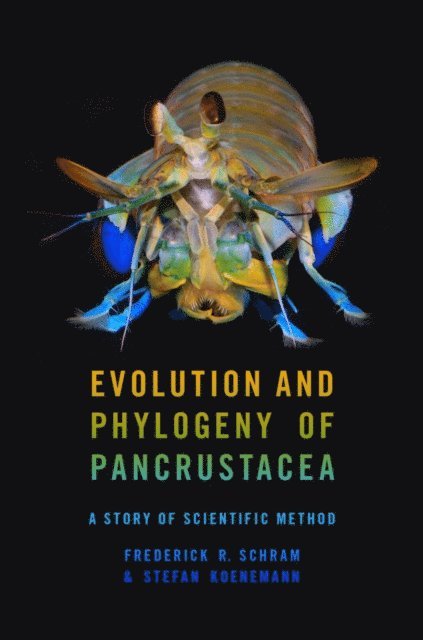
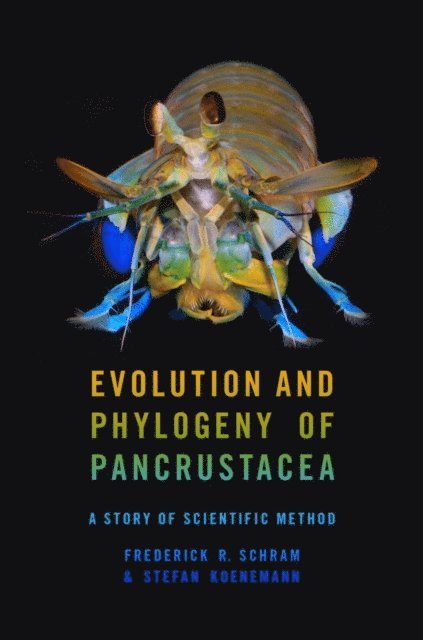
The scientific understanding of arthropod phylogeny and evolution has changed significantly in recent decades. One of the most momentous alterations involved crustaceans, which are not a monophyletc group, but are part of a larger group along with insects: Pancrustacea. The old ideas surrounding crustacean evolution have served scientists well for many years; it is now time to turn toward new research by embracing the results derived from investigations conducted largely within this century. For example, new definitions have arisen from sources across several fields of study, and Frederick R. Schram and Stefan Koenemann have created a book that explores paleobiodiversity and the diversity of modern body plans. Developments within ontogenetic studies continue to generate remarkable insights into crustaceomorph evolution in regard to patterns of embryology and a revolution in the application of development genetics. Phylogeny techniques of analysis and new sources of data derived from molecular sequencing and genetic studies have forced scientists to consider new hypotheses concerning the interrelationships of all the pancrustaceans, both the crustaceomorphs and Hexapoda. Yet, some fossil groups still remain enigmatic (Thylacocephala). Despite this, research into fossils (even if incompletely understood) fills in gaps of our knowledge of paleobiodiversity, and it''s useful for many things, including analyzing the origin and early evolution of Hexapoda.Evolution and Phylogeny of Pancrustacea demonstrates the use of multiple alternative hypotheses and other techniques through the well-executed presentation of diverse data sources involving Pancrustacea. Readers are left with clues to great mysteries, including the possible pathways of evolution within marine arthropods.
Inbunden, Engelska, 2022
2 713 kr
Skickas inom 3-6 vardagar
The scientific understanding of arthropod phylogeny and evolution has changed significantly in recent decades. One of the most momentous alterations involved crustaceans, which are not a monophyletc group, but are part of a larger group along with insects: Pancrustacea. The old ideas surrounding crustacean evolution have served scientists well for many years; it is now time to turn toward new research by embracing the results derived from investigations conducted largely within this century. For example, new definitions have arisen from sources across several fields of study, and Frederick R. Schram and Stefan Koenemann have created a book that explores paleobiodiversity and the diversity of modern body plans. Developments within ontogenetic studies continue to generate remarkable insights into crustaceomorph evolution in regard to patterns of embryology and a revolution in the application of development genetics. Phylogeny techniques of analysis and new sources of data derived from molecular sequencing and genetic studies have forced scientists to consider new hypotheses concerning the interrelationships of all the pancrustaceans, both the crustaceomorphs and Hexapoda. Yet, some fossil groups still remain enigmatic (Thylacocephala). Despite this, research into fossils (even if incompletely understood) fills in gaps of our knowledge of paleobiodiversity, and it's useful for many things, including analyzing the origin and early evolution of Hexapoda.Evolution and Phylogeny of Pancrustacea demonstrates the use of multiple alternative hypotheses and other techniques through the well-executed presentation of diverse data sources involving Pancrustacea. Readers are left with clues to great mysteries, including the possible pathways of evolution within marine arthropods.
E-bok
PDF, Engelska, 20211 649 kr
Läs direkt efter köp
The scientific understanding of arthropod phylogeny and evolution has changed significantly in recent decades. One of the most momentous alterations involved crustaceans, which are not a monophyletc group, but are part of a larger group along with insects: Pancrustacea. The old ideas surrounding crustacean evolution have served scientists well for many years; it is now time to turn toward new research by embracing the results derived from investigations conducted largely within this century. For example, new definitions have arisen from sources across several fields of study, and Frederick R. Schram and Stefan Koenemann have created a book that explores paleobiodiversity and the diversity of modern body plans. Developments within ontogenetic studies continue to generate remarkable insights into crustaceomorph evolution in regard to patterns of embryology and a revolution in the application of development genetics. Phylogeny techniques of analysis and new sources of data derived from molecular sequencing and genetic studies have forced scientists to consider new hypotheses concerning the interrelationships of all the pancrustaceans, both the crustaceomorphs and Hexapoda. Yet, some fossil groups still remain enigmatic (Thylacocephala). Despite this, research into fossils (even if incompletely understood) fills in gaps of our knowledge of paleobiodiversity, and it''s useful for many things, including analyzing the origin and early evolution of Hexapoda.Evolution and Phylogeny of Pancrustacea demonstrates the use of multiple alternative hypotheses and other techniques through the well-executed presentation of diverse data sources involving Pancrustacea. Readers are left with clues to great mysteries, including the possible pathways of evolution within marine arthropods.
Inbunden, Engelska, 2022
335 kr
Skickas inom 5-8 vardagar
Häftad, Engelska, 2022
175 kr
Skickas inom 5-8 vardagar
E-bok
Engelska, 20261 071 kr
Läs direkt efter köp
This work provides a guide to current research in barnacle evolution. Topics covered include: chemical signals in barnacles; larval settlement; naupliar evidence for cirripede taxonomy and phylogeny; and South American patterns of barnacle distribution.
E-bok
PDF, Engelska, 20261 071 kr
Läs direkt efter köp
This work provides a guide to current research in barnacle evolution. Topics covered include: chemical signals in barnacles; larval settlement; naupliar evidence for cirripede taxonomy and phylogeny; and South American patterns of barnacle distribution.
Inbunden, Engelska, 2015
398 kr
Skickas inom 3-6 vardagar
Häftad, Engelska, 2018
305 kr
Skickas inom 3-6 vardagar
Häftad, Engelska, 2018
270 kr
Skickas inom 3-6 vardagar
Häftad, Engelska, 2018
246 kr
Skickas inom 3-6 vardagar
Inbunden, Engelska, 1995
914 kr
Skickas inom 10-15 vardagar
This work provides a guide to current research in barnacle evolution. Topics covered include: chemical signals in barnacles; larval settlement; naupliar evidence for cirripede taxonomy and phylogeny; and South American patterns of barnacle distribution.