Frederick T.L. Leong - Böcker
Visar alla böcker från författaren Frederick T.L. Leong. Handla med fri frakt och snabb leverans.
6 produkter
6 produkter
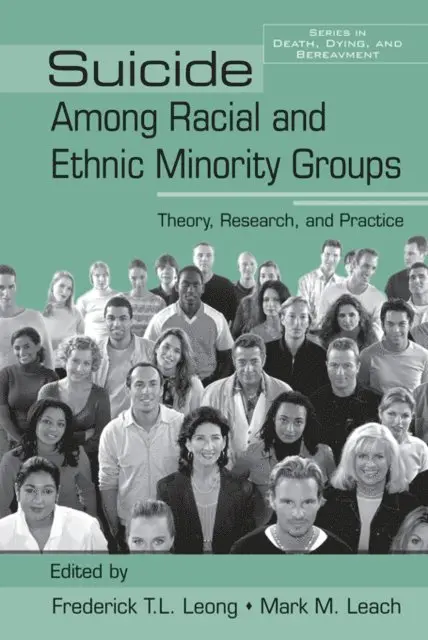
Suicide Among Racial and Ethnic Minority Groups
Theory, Research, and Practice
Inbunden, Engelska, 2007
1 626 kr
Skickas inom 10-15 vardagar
Suicide is increasingly understood and predicted as an intersection of biological, psychological, cognitive, and sociocultural factors. We have some basic knowledge of these factors and how they interact, but presently we know very little about how culture can play a role as a variable that influences suicide. Suicide Among Racial and Ethnic Minority Groups will go a long way towards filling that gap by pulling together cutting edge empirical research from general cultural diversity literature and applying it to suicide assessment, treatment, and prevention theory and practice. By looking outside of the limited cross-cultural studies done within suicidal populations, the contributors – all established experts in both multicultural counseling and suicidology – expand the available empirical literature base in order to provide a deeper look into how culture can act as an important catalyst in suicidal intentions. Following theoretical overviews, the text focuses on six broad ethic groups classified in the literature (African American, American Indian, Asian American, European American, Hawaiian & Pacific Islander, and Hispanic), with a main chapter devoted to each, relating each culture to suicide research, highlighting specific variables within the culture that can influence suicide, and presenting appropriate treatment considerations. A final section of the book consists of practical applications within specific settings (therapy, outreach, schools, psychiatric services) and prevention and training issues.
3 278 kr
Tillfälligt slut
Since its beginnings after WWII, Counseling Psychology has grown to become an applied specialty within psychology with unique areas of emphasis. This book introduces readers to the field by presenting its history, emphases, trends and relationships to other areas within psychology, followed by seminal articles that have significantly influenced counselors and researchers. The volume is organized around the six general themes of history and professional development, personal counseling, career counseling, cross-cultural counseling, counseling process and outcome, and internationalizing Counseling Psychology. In presenting articles representing these six themes that have defined counseling psychology, readers are given an essential overview to the past, the present and future directions of this applied specialty in psychology.
1 264 kr
Skickas inom 10-15 vardagar
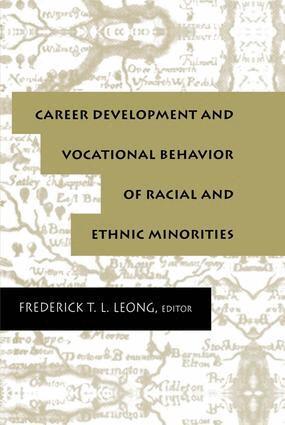
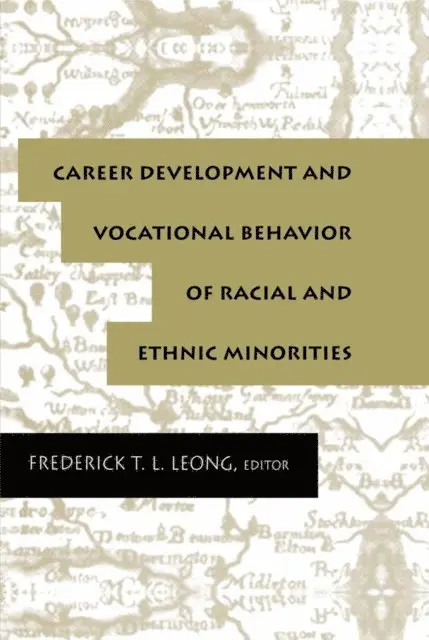
This volume presents the single most comprehensive source of knowledge on the career development of racial and ethnic minorities. In so doing, it serves as a resource to graduate students learning about career development and career counseling, counselors and psychologists providing career counseling to racial and ethnic minorities, and psychologists and counselors doing research on the career development of these diverse groups. In recognition of the value of both culture-specific and culture-general information about the vocational psychology of racial and ethnic minorities in the United States, the book has a dual focus. The first eight chapters are devoted to culture-specific information about career development and vocational behavior. The final two chapters synthesize and integrate the materials presented in the eight culture-specific chapters. The text has been divided into three sections. The first section focuses on career theory and research with racial and ethnic minorities. It consists of a review of the relevance and utility of various career theories and models from mainstream vocational psychology to our understanding of the vocational behavior and career development of racial and ethnic minorities -- African Americans, Hispanic Americans, Asian Americans, and American Indians. These chapters also summarize other theories from ethnic minority psychology that add to our understanding of minority career development. Finally, they review the existing empirical literature on the career development of these groups and provide a critique of this literature with recommendations for future research.The second section focuses on assessment and intervention with racial and ethnic minorities. The inclusion of the assessment dimension is very important because assessment is such a large and significant component of the career counseling process with these groups. The chapter authors offer guidelines and recommendations for providing career interventions with racial and ethnic minorities. In presenting these guidelines, they also address some of the cultural factors unique to each group that may serve either as facilitators or as inhibitors in the career counseling process.The third section includes commentaries, suggestions, reactions, and syntheses of the previous sections from scholars in the field of vocational psychology. These authors identify and examine the common principles, problems, and themes running across the chapters, and offer suggestions for advancing the field of racial and ethnic minority vocational psychology. This book will become both a valuable source of current information about the vocational psychology of racial and ethnic minorities as well as an inspiration for future research into the career development and vocational behavior of these culturally different individuals.
695 kr
Skickas inom 10-15 vardagar
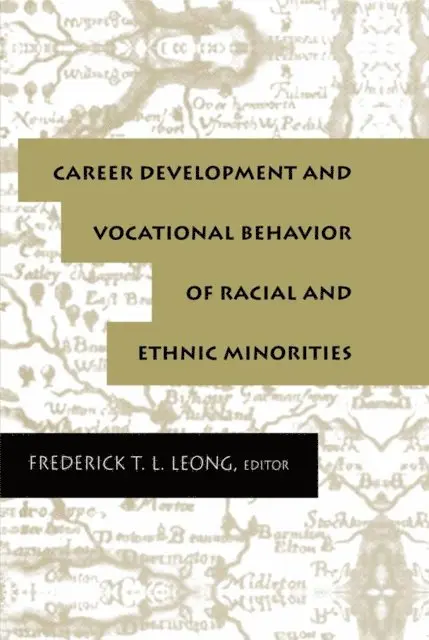
This volume presents the single most comprehensive source of knowledge on the career development of racial and ethnic minorities. In so doing, it serves as a resource to graduate students learning about career development and career counseling, counselors and psychologists providing career counseling to racial and ethnic minorities, and psychologists and counselors doing research on the career development of these diverse groups. In recognition of the value of both culture-specific and culture-general information about the vocational psychology of racial and ethnic minorities in the United States, the book has a dual focus. The first eight chapters are devoted to culture-specific information about career development and vocational behavior. The final two chapters synthesize and integrate the materials presented in the eight culture-specific chapters. The text has been divided into three sections. The first section focuses on career theory and research with racial and ethnic minorities. It consists of a review of the relevance and utility of various career theories and models from mainstream vocational psychology to our understanding of the vocational behavior and career development of racial and ethnic minorities -- African Americans, Hispanic Americans, Asian Americans, and American Indians. These chapters also summarize other theories from ethnic minority psychology that add to our understanding of minority career development. Finally, they review the existing empirical literature on the career development of these groups and provide a critique of this literature with recommendations for future research.The second section focuses on assessment and intervention with racial and ethnic minorities. The inclusion of the assessment dimension is very important because assessment is such a large and significant component of the career counseling process with these groups. The chapter authors offer guidelines and recommendations for providing career interventions with racial and ethnic minorities. In presenting these guidelines, they also address some of the cultural factors unique to each group that may serve either as facilitators or as inhibitors in the career counseling process.The third section includes commentaries, suggestions, reactions, and syntheses of the previous sections from scholars in the field of vocational psychology. These authors identify and examine the common principles, problems, and themes running across the chapters, and offer suggestions for advancing the field of racial and ethnic minority vocational psychology. This book will become both a valuable source of current information about the vocational psychology of racial and ethnic minorities as well as an inspiration for future research into the career development and vocational behavior of these culturally different individuals.
685 kr
Skickas inom 10-15 vardagar
Suicide is increasingly understood and predicted as an intersection of biological, psychological, cognitive, and sociocultural factors. We have some basic knowledge of these factors and how they interact, but presently we know very little about how culture can play a role as a variable that influences suicide. Suicide Among Racial and Ethnic Minority Groups will go a long way towards filling that gap by pulling together cutting edge empirical research from general cultural diversity literature and applying it to suicide assessment, treatment, and prevention theory and practice. By looking outside of the limited cross-cultural studies done within suicidal populations, the contributors – all established experts in both multicultural counseling and suicidology – expand the available empirical literature base in order to provide a deeper look into how culture can act as an important catalyst in suicidal intentions. Following theoretical overviews, the text focuses on six broad ethic groups classified in the literature (African American, American Indian, Asian American, European American, Hawaiian & Pacific Islander, and Hispanic), with a main chapter devoted to each, relating each culture to suicide research, highlighting specific variables within the culture that can influence suicide, and presenting appropriate treatment considerations. A final section of the book consists of practical applications within specific settings (therapy, outreach, schools, psychiatric services) and prevention and training issues.
454 kr
Skickas inom 10-15 vardagar
This volume presents the single most comprehensive source of knowledge on the career development of racial and ethnic minorities. In so doing, it serves as a resource to graduate students learning about career development and career counseling, counselors and psychologists providing career counseling to racial and ethnic minorities, and psychologists and counselors doing research on the career development of these diverse groups. In recognition of the value of both culture-specific and culture-general information about the vocational psychology of racial and ethnic minorities in the United States, the book has a dual focus. The first eight chapters are devoted to culture-specific information about career development and vocational behavior. The final two chapters synthesize and integrate the materials presented in the eight culture-specific chapters. The text has been divided into three sections. The first section focuses on career theory and research with racial and ethnic minorities. It consists of a review of the relevance and utility of various career theories and models from mainstream vocational psychology to our understanding of the vocational behavior and career development of racial and ethnic minorities -- African Americans, Hispanic Americans, Asian Americans, and American Indians. These chapters also summarize other theories from ethnic minority psychology that add to our understanding of minority career development. Finally, they review the existing empirical literature on the career development of these groups and provide a critique of this literature with recommendations for future research.The second section focuses on assessment and intervention with racial and ethnic minorities. The inclusion of the assessment dimension is very important because assessment is such a large and significant component of the career counseling process with these groups. The chapter authors offer guidelines and recommendations for providing career interventions with racial and ethnic minorities. In presenting these guidelines, they also address some of the cultural factors unique to each group that may serve either as facilitators or as inhibitors in the career counseling process.The third section includes commentaries, suggestions, reactions, and syntheses of the previous sections from scholars in the field of vocational psychology. These authors identify and examine the common principles, problems, and themes running across the chapters, and offer suggestions for advancing the field of racial and ethnic minority vocational psychology. This book will become both a valuable source of current information about the vocational psychology of racial and ethnic minorities as well as an inspiration for future research into the career development and vocational behavior of these culturally different individuals.