Frederik Frank Sterkenburgh – författare
Visar alla böcker från författaren Frederik Frank Sterkenburgh. Handla med fri frakt och snabb leverans.
6 produkter
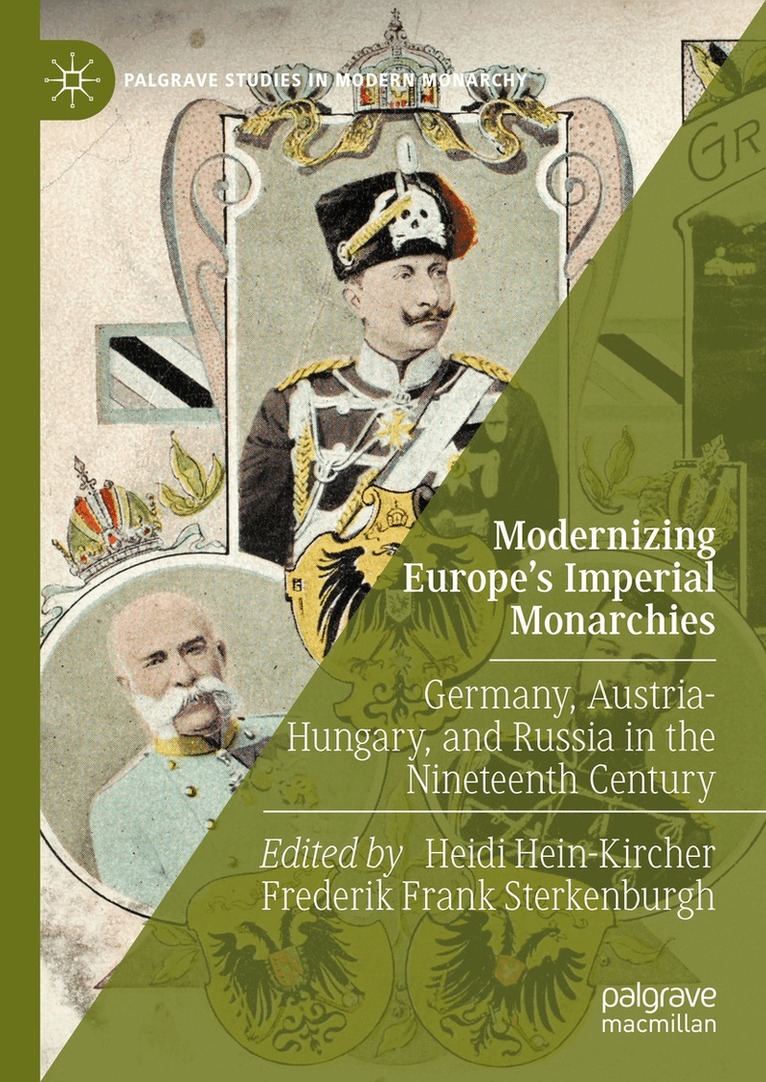
Modernizing Europe’s Imperial Monarchies
Germany, Austria-Hungary, and Russia in the Nineteenth Century
Av Heidi Hein-Kircher, Frederik Frank Sterkenburgh
Inbunden, 2025
2029 kr
Lägg i varukorg
Up until recently, Europe’s three imperial monarchies – the German, Austrian, and Russian Empires – were seen as moribund political entities, unable to accommodate the forces of political, social, economic, and cultural modernization, and as a result collapsed collectively during or shortly after …
Modernizing Europe's Imperial Monarchies
Germany, Austria-Hungary, and Russia in the Nineteenth Century
Av Frederik Frank Sterkenburgh, Heidi Hein-Kircher
E-bok, 2025
1962 kr
Lägg i varukorg
Up until recently, Europe’s three imperial monarchies – the German, Austrian, and Russian Empires – were seen as moribund political entities, unable to accommodate the forces of political, social, economic, and cultural modernization, and as a result collapsed collectively during or shortly after …
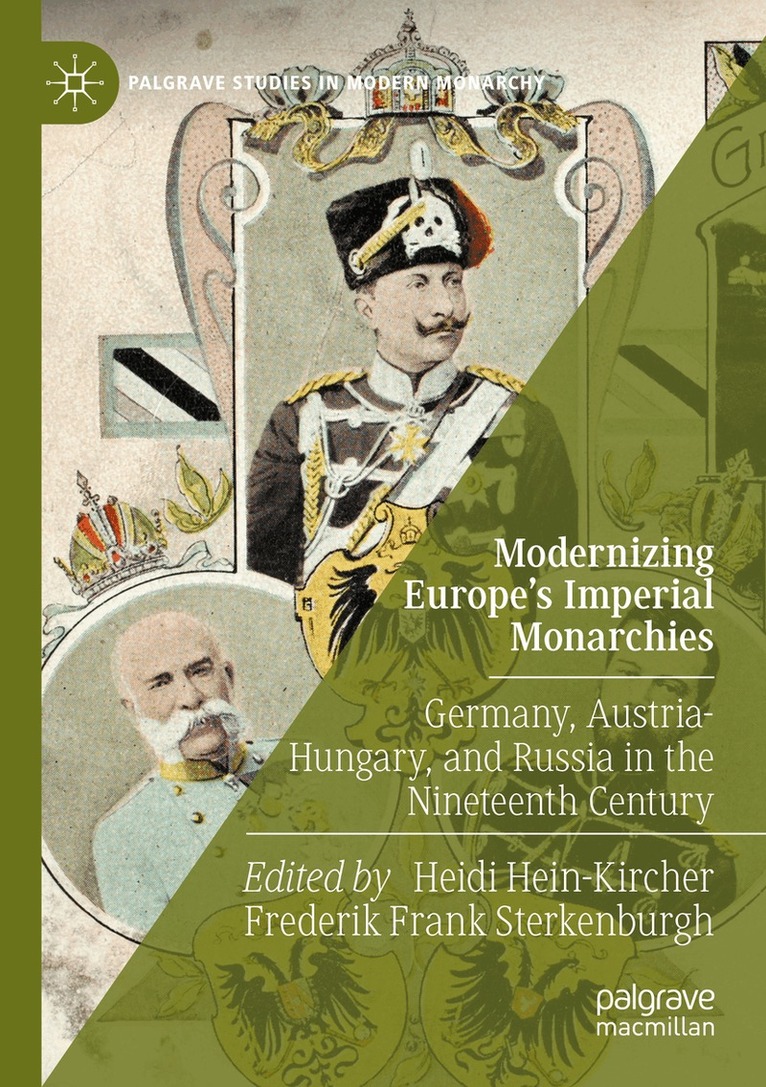
Modernizing Europe’s Imperial Monarchies
Germany, Austria-Hungary, and Russia in the Nineteenth Century
Av Heidi Hein-Kircher, Frederik Frank Sterkenburgh
Häftad, 2026
1576 kr
Lägg i varukorg
Up until recently, Europe’s three imperial monarchies – the German, Austrian, and Russian Empires – were seen as moribund political entities, unable to accommodate the forces of political, social, economic, and cultural modernization, and as a result collapsed collectively during or shortly after …
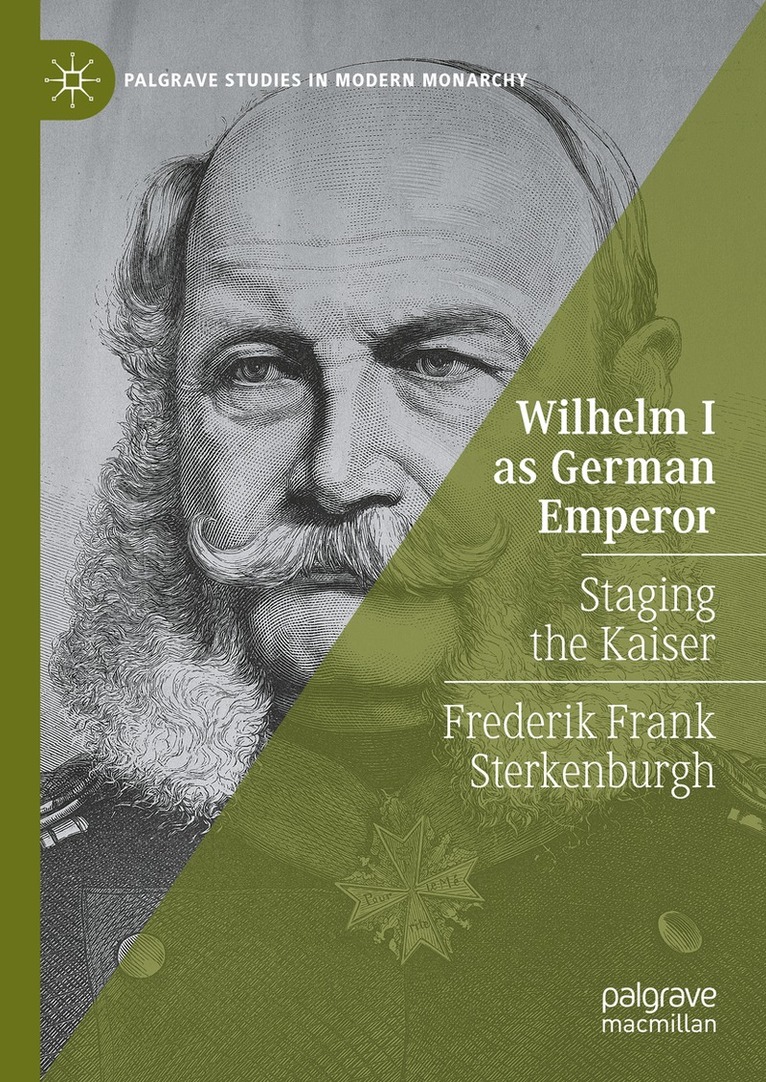
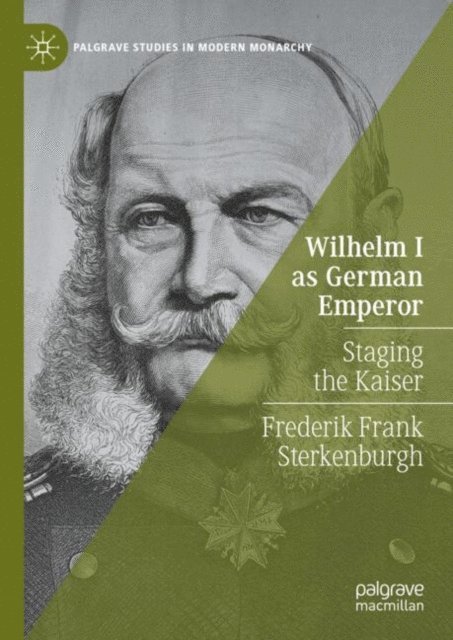
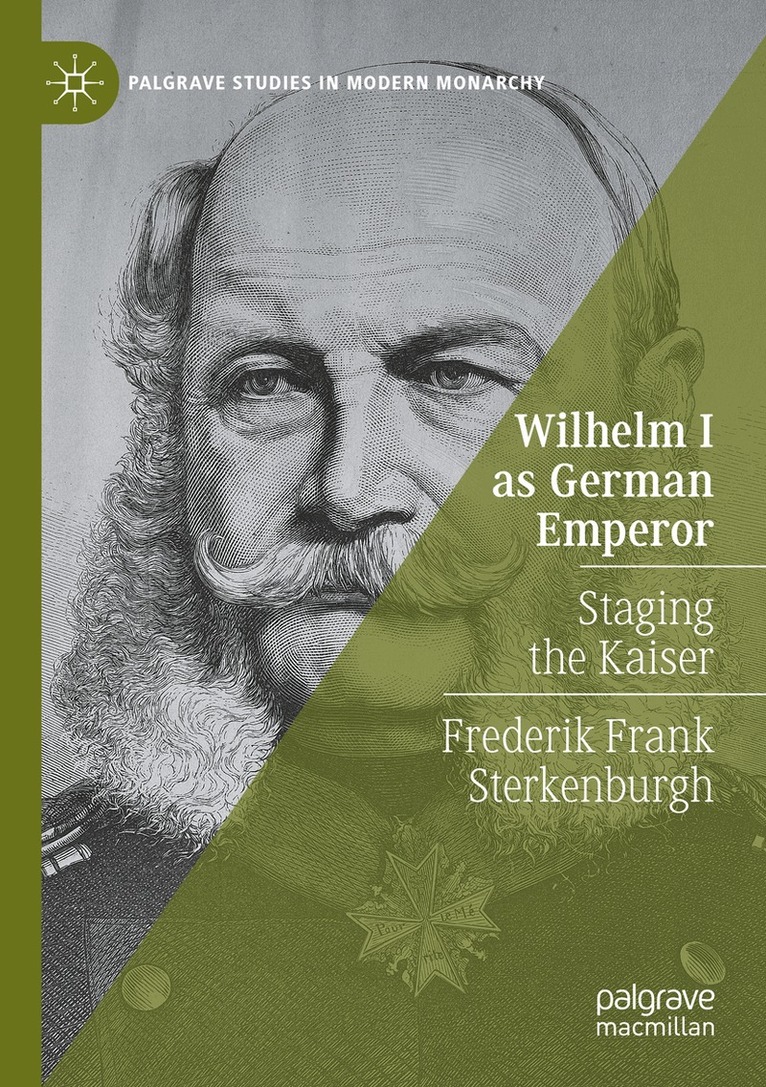
Wilhelm I as German Emperor
Staging the Kaiser
Av Frederik Frank Sterkenburgh
Inbunden, 2025
1688 kr
Lägg i varukorg
This book offers the first-ever scholarly study of Wilhelm I as Germany’s first Kaiser. For decades, Wilhelm has been dismissed by historians as a political nullity and an unwilling imperial figurehead, who was perpetually overruled by chancellor Otto von Bismarck. As a result, scholars concluded …
Wilhelm I as German Emperor
Staging the Kaiser
Av Frederik Frank Sterkenburgh
E-bok, 2025
2127 kr
Lägg i varukorg
This book offers the first-ever scholarly study of Wilhelm I as Germany’s first Kaiser. For decades, Wilhelm has been dismissed by historians as a political nullity and an unwilling imperial figurehead, who was perpetually overruled by chancellor Otto von Bismarck. As a result, scholars concluded …
Wilhelm I as German Emperor
Staging the Kaiser
Av Frederik Frank Sterkenburgh
Häftad, 2026
1688 kr
Lägg i varukorg
This book offers the first-ever scholarly study of Wilhelm I as Germany’s first Kaiser. For decades, Wilhelm has been dismissed by historians as a political nullity and an unwilling imperial figurehead, who was perpetually overruled by chancellor Otto von Bismarck. As a result, scholars concluded …