Fydor Dostoyevsky – författare
Visar alla böcker från författaren . Handla med fri frakt och snabb leverans.
8 produkter
8 produkter
Häftad, Engelska, 2011
241 kr
Skickas inom 5-8 vardagar
E-bok
Engelska, 202654 kr
Läs direkt efter köp
"e;The Brothers Karamazov"e; by Fyodor Dostoyevsky is a profound novel written in the late 19th century. It explores the complex dynamics of the Karamazov family, particularly focusing on the turbulent relationships among the three brothers-Dmitri, Ivan, and Alyosha-and their morally questionable father, Fyodor Pavlovitch. The themes of faith, free will, and the nature of evil are central to the narrative, drawing readers into a deeply philosophical and psychological exploration of human behavior. At the start of the novel, we are introduced to Fyodor Pavlovitch Karamazov, a neglectful and irresponsible father whose life is marked by debauchery and self-indulgence. The narrative begins to outline the backgrounds of his three sons: Dmitri, who yearns for paternal approval but struggles with his own passions; Ivan, the intellectual grappling with faith and doubt; and Alyosha, the spiritual seeker seeking solace in monastic life. As the familial tensions set the stage for conflict, we witness the stark contrasts in their characters, philosophies, and aspirations, all foreshadowing the dramatic events that will unfold in their lives and the existential questions that they will confront.
E-bok
Engelska, 202654 kr
Läs direkt efter köp
"e;The Brothers Karamazov"e; by Fyodor Dostoyevsky is a profound novel written in the late 19th century. It explores the complex dynamics of the Karamazov family, particularly focusing on the turbulent relationships among the three brothers-Dmitri, Ivan, and Alyosha-and their morally questionable father, Fyodor Pavlovitch. The themes of faith, free will, and the nature of evil are central to the narrative, drawing readers into a deeply philosophical and psychological exploration of human behavior. At the start of the novel, we are introduced to Fyodor Pavlovitch Karamazov, a neglectful and irresponsible father whose life is marked by debauchery and self-indulgence. The narrative begins to outline the backgrounds of his three sons: Dmitri, who yearns for paternal approval but struggles with his own passions; Ivan, the intellectual grappling with faith and doubt; and Alyosha, the spiritual seeker seeking solace in monastic life. As the familial tensions set the stage for conflict, we witness the stark contrasts in their characters, philosophies, and aspirations, all foreshadowing the dramatic events that will unfold in their lives and the existential questions that they will confront.
E-bok
Engelska, 202641 kr
Läs direkt efter köp
"e;The Brothers Karamazov"e; by Fyodor Dostoyevsky is a profound novel written in the late 19th century. It explores the complex dynamics of the Karamazov family, particularly focusing on the turbulent relationships among the three brothers-Dmitri, Ivan, and Alyosha-and their morally questionable father, Fyodor Pavlovitch. The themes of faith, free will, and the nature of evil are central to the narrative, drawing readers into a deeply philosophical and psychological exploration of human behavior. At the start of the novel, we are introduced to Fyodor Pavlovitch Karamazov, a neglectful and irresponsible father whose life is marked by debauchery and self-indulgence. The narrative begins to outline the backgrounds of his three sons: Dmitri, who yearns for paternal approval but struggles with his own passions; Ivan, the intellectual grappling with faith and doubt; and Alyosha, the spiritual seeker seeking solace in monastic life. As the familial tensions set the stage for conflict, we witness the stark contrasts in their characters, philosophies, and aspirations, all foreshadowing the dramatic events that will unfold in their lives and the existential questions that they will confront.
E-bok
Engelska, 202654 kr
Läs direkt efter köp
"e;The Gambler"e; by Fyodor Dostoyevsky is a novel likely written in the late 19th century. The story revolves around the complex interplay of gambling, love, and personal ambition, primarily focusing on the character Alexei Ivanovich, who serves as a tutor to a Russian general's family. As he navigates his feelings towards the enigmatic Polina Alexandrovna, the novel explores themes of obsession, desire, and the societal pressures surrounding wealth and reputation. At the start of "e;The Gambler,"e; Alexei returns to the gambling haven of Roulettenberg after a short absence, only to find the mood among his patrons, particularly General Zakharin and his family, shrouded in tension and expectation. The opening chapters reveal Alexei's struggle with his own gambling impulses amidst the backdrop of the general's precarious financial situation and the looming shadow of Polina's desires and expectations. As the narrative unfolds, Alexei grapples with his conflicting emotions toward Polina while he finds himself drawn into the chaotic and thrill-laden world of roulette, ultimately questioning his own motivations and the lengths he will go to win both money and affection.
E-bok
Engelska, 202654 kr
Läs direkt efter köp
"e;The Brothers Karamazov"e; by Fyodor Dostoyevsky is a profound novel written in the late 19th century. It explores the complex dynamics of the Karamazov family, particularly focusing on the turbulent relationships among the three brothers-Dmitri, Ivan, and Alyosha-and their morally questionable father, Fyodor Pavlovitch. The themes of faith, free will, and the nature of evil are central to the narrative, drawing readers into a deeply philosophical and psychological exploration of human behavior. At the start of the novel, we are introduced to Fyodor Pavlovitch Karamazov, a neglectful and irresponsible father whose life is marked by debauchery and self-indulgence. The narrative begins to outline the backgrounds of his three sons: Dmitri, who yearns for paternal approval but struggles with his own passions; Ivan, the intellectual grappling with faith and doubt; and Alyosha, the spiritual seeker seeking solace in monastic life. As the familial tensions set the stage for conflict, we witness the stark contrasts in their characters, philosophies, and aspirations, all foreshadowing the dramatic events that will unfold in their lives and the existential questions that they will confront.
E-bok
Engelska, 202654 kr
Läs direkt efter köp
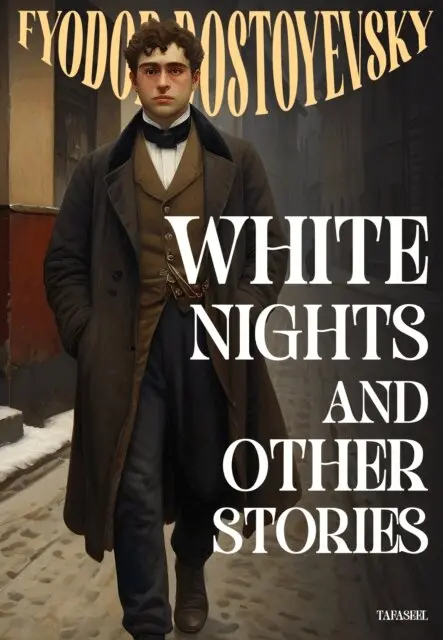
"e;White Nights and Other Stories"e; by Fyodor Dostoyevsky is a collection of short stories written in the mid-19th century. The title story, "e;White Nights,"e; revolves around an unnamed narrator who leads a solitary life in St. Petersburg and unexpectedly finds connection with a mysterious young woman named Nastenka. The collection explores themes of loneliness, longing, and the complexities of human relationships through the lens of Dostoyevsky's profound psychological insight. At the start of "e;White Nights,"e; the narrator describes his feelings of desolation as he wanders through St. Petersburg, reflecting on his profound loneliness as the city empties out for the summer. He encounters Nastenka, who is weeping at the canal, and in their interaction, a delicate bond begins to form. The narrator, filled with shyness, provides her a sense of safety in the face of an unwanted advance from a drunken gentleman. Their conversation reveals much about their longing for connection and inner turmoil, setting the stage for a passionate, albeit complex, relationship marked by unspoken emotions and dreams intertwined with reality. As the night unfolds, the narrator's infatuation with Nastenka deepens, but her heart seems already tethered to someone else, creating a poignant tension that is typical of Dostoyevsky's compelling storytelling
E-bok
Engelska, 202654 kr
Läs direkt efter köp
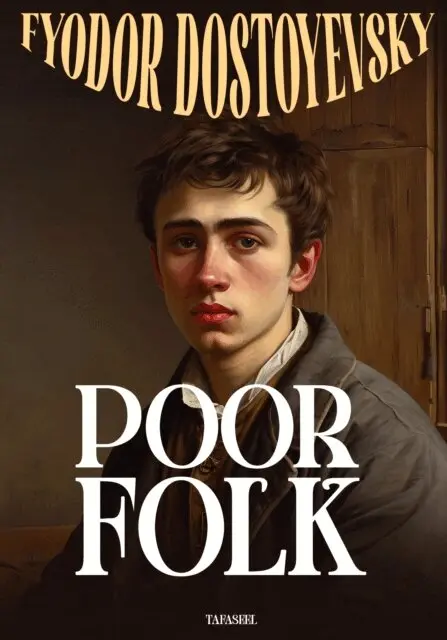
"e;Poor Folk"e; by Fyodor Dostoyevsky is a novel written during the mid-19th century that delves into the lives of two impoverished characters through their letters to each other. The main characters are Makar Dievushkin, an elderly civil servant, and Barbara Alexievna, a young woman whom he admires. The story explores their struggles and desires against the backdrop of their societal conditions, offering a poignant look at love, sacrifice, and the harsh realities of life in a city like St. Petersburg. The opening of "e;Poor Folk"e; presents an intimate correspondence between Makar and Barbara, filled with affection and concern for each other's well-being. Makar expresses his joy over a simple gesture from Barbara that connects them, a plan involving the lowering and raising of her curtain to signal her thoughts and health. The letters reveal their respective living conditions and concerns about finances, health, and societal expectations. Makar's affectionate demeanor contrasts with Barbara's worries about her own health and his financial struggles, setting the tone for a deep emotional connection that blossoms amid their challenging realities. The correspondence serves as a heartfelt exploration of their lives, paving the way for a narrative that examines the complexities of human relationships amidst poverty.