G. Arunima – författare
Visar alla böcker från författaren G. Arunima. Handla med fri frakt och snabb leverans.
5 produkter
5 produkter
Inbunden, Engelska, 2021
1 671 kr
Skickas inom 10-15 vardagar
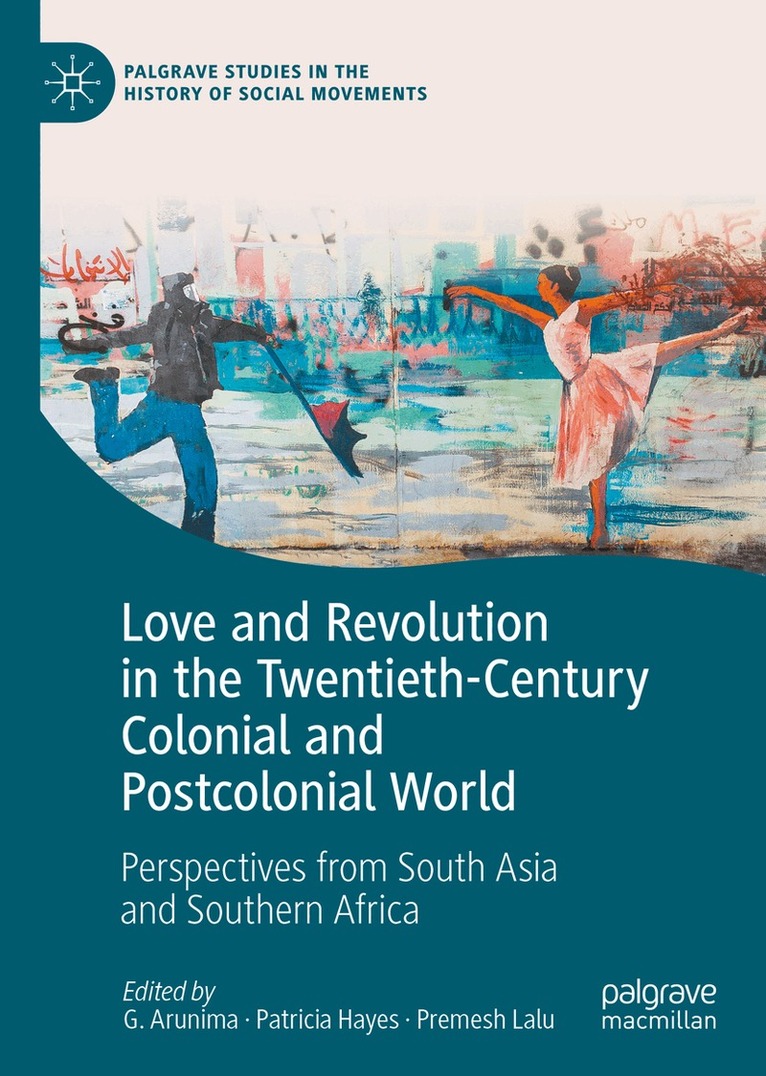
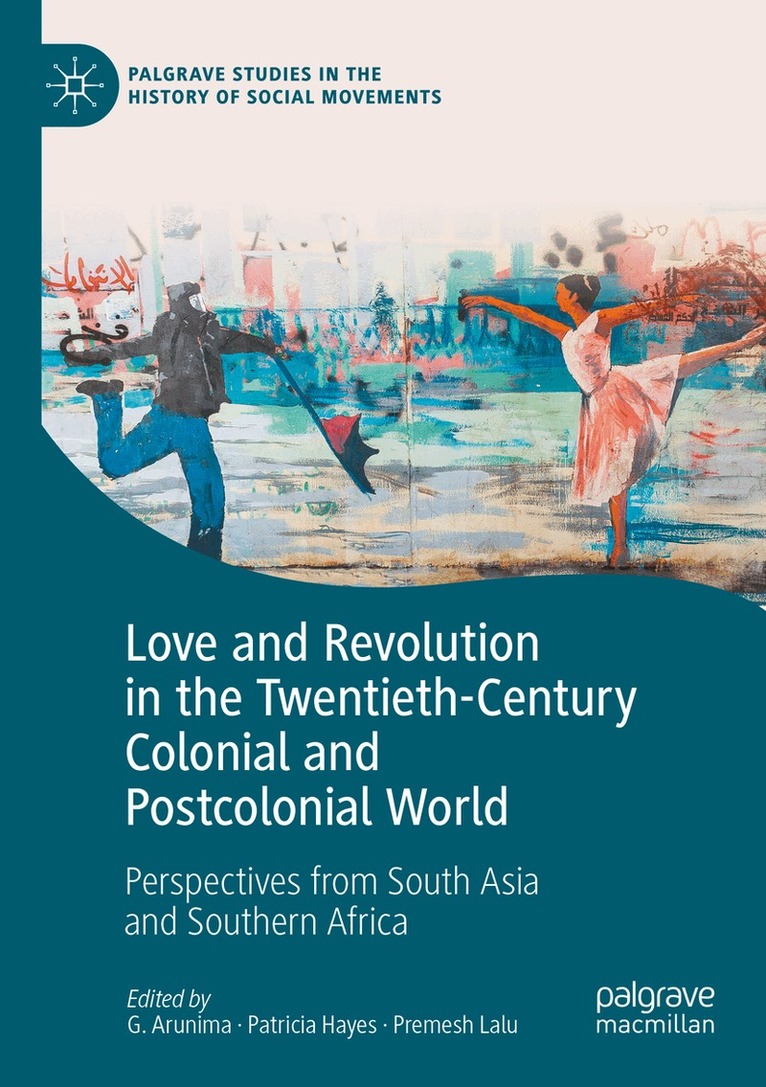
This book addresses emancipatory narratives from two main sites in the colonial world, the Indian and southern African subcontinents. Exploring how love and revolution interrelate, this volume is unique in drawing on theories of affect to interrogate histories of the political, thus linking love and revolution together. The chapters engage with the affinities of those who live with their colonial pasts: crises of expectations, colonial national convulsions, memories of anti-colonial solidarity, even shared radical libraries. It calls attention to the specific and singular way in which notions of ‘love of the world’ were born in a precise moment of anti-colonial struggle: a love of the world for which one would offer one’s life, and for which there had been little precedent in the history of earlier revolutions. It thus offers new ways of understanding the shifts in global traditions of emancipation over two centuries.
E-bok
Engelska, 20212 110 kr
Läs direkt efter köp
This book addresses emancipatory narratives from two main sites in the colonial world, the Indian and southern African subcontinents. Exploring how love and revolution interrelate, this volume is unique in drawing on theories of affect to interrogate histories of the political, thus linking love and revolution together. The chapters engage with the affinities of those who live with their colonial pasts: crises of expectations, colonial national convulsions, memories of anti-colonial solidarity, even shared radical libraries. It calls attention to the specific and singular way in which notions of ‘love of the world’ were born in a precise moment of anti-colonial struggle: a love of the world for which one would offer one’s life, and for which there had been little precedent in the history of earlier revolutions. It thus offers new ways of understanding the shifts in global traditions of emancipation over two centuries.
Häftad, Engelska, 2022
1 671 kr
Skickas inom 10-15 vardagar
This book addresses emancipatory narratives from two main sites in the colonial world, the Indian and southern African subcontinents. Exploring how love and revolution interrelate, this volume is unique in drawing on theories of affect to interrogate histories of the political, thus linking love and revolution together. The chapters engage with the affinities of those who live with their colonial pasts: crises of expectations, colonial national convulsions, memories of anti-colonial solidarity, even shared radical libraries. It calls attention to the specific and singular way in which notions of ‘love of the world’ were born in a precise moment of anti-colonial struggle: a love of the world for which one would offer one’s life, and for which there had been little precedent in the history of earlier revolutions. It thus offers new ways of understanding the shifts in global traditions of emancipation over two centuries.
E-bok
Engelska, 202295 kr
Läs direkt efter köp
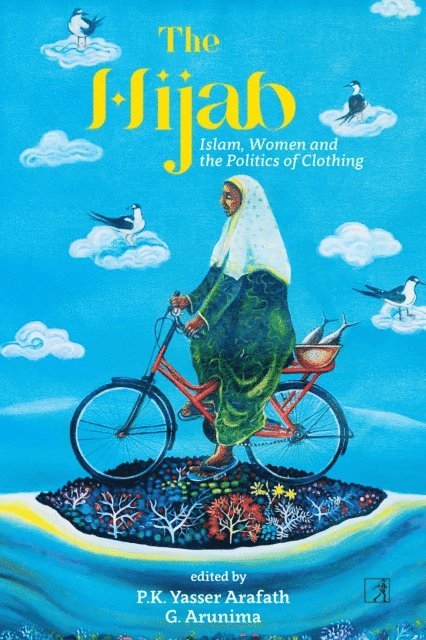
Historically, in India, we have instances of both unveiling and veiling that have been initiated by Indian Muslim women. The early 20th century saw many Muslim women joining the national movement, giving up veiling, feeling this was the only way for them to change their own, and the country's, future. Almost a hundred years later, the hijab continues to be a bone of contention in India, though in very different ways. On one hand, the rape threats that hijabi/non-hijabi women frequently encounter in the cyber world reflect the extreme desperation of the aggravated Hindutva millennials who are made to believe that unveiling Muslim women is their right while a large segment of Indian Muslim women are increasingly convinced that wearing the hijab is their constitutional prerogative. This collection of essays, primarily from India but also with a couple from Bangladesh and Iran, complicates the relationship between Muslim women and the hijab. Moving away from predictable interpretations that see the hijab merely as an instrument of Muslim women’s oppression, the essays here, from a variety of perspectives including historical, ethnographic, and political, demonstrate that not only have Muslim women covered/ or uncovered their heads for different reasons, but the head cloth itself has had different forms depending on the region or period of history. The essays track the reasons why clothing, especially women’s attire, is very often a site of contestation and provide ways to hear and understand the ways in which Muslim girls or women make their own sartorial choices. They also offer ways of interpreting the stakes in banning the hijab in different parts of the world, and the implications of the ban on Muslim women, the wider community and the very idea of citizenship itself.
Inbunden, Engelska, 2023
107 kr
Skickas