G. J. Barker-Benfield – författare
292 kr
Skickas inom 5-8 vardagar
511 kr
Skickas inom 5-8 vardagar
684 kr
Läs direkt efter köp
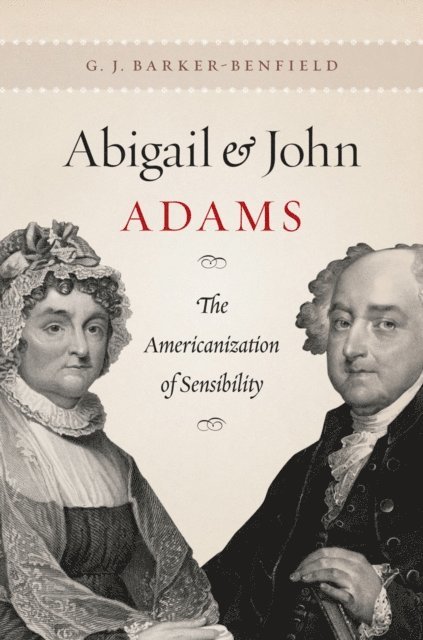
During the many years that they were separated by the perils of the American Revolution, John and Abigail Adams exchanged hundreds of letters. Writing to each other of public events and private feelings, loyalty and love, revolution and parenting, they wove a tapestry of correspondence that has become a cherished part of American history and literature. With Abigail and John Adams, historian G. J. Barker-Benfield mines those familiar letters to a new purpose: teasing out the ways in which they reflected—and helped transform—a language of sensibility, inherited from Britain but, amid the revolutionary fervor, becoming Americanized. Sensibility—a heightened moral consciousness of feeling, rooted in the theories of such thinkers as Descartes, Locke, and Adam Smith and including a “moral sense” akin to the physical senses—threads throughout these letters. As Barker-Benfield makes clear, sensibility was the fertile, humanizing ground on which the Adamses not only founded their marriage, but also the “abhorrence of injustice and inhumanity” they and their contemporaries hoped to plant at the heart of the new nation. Bringing together their correspondence with a wealth of fascinating detail about life and thought, courtship and sex, gender and parenting, and class and politics in the revolutionary generation and beyond, Abigail and John Adams draws a lively, convincing portrait of a marriage endangered by separation, yet surviving by the same ideas and idealism that drove the revolution itself. A feast of ideas that never neglects the real lives of the man and woman at its center, Abigail and John Adams takes readers into the heart of an unforgettable union in order to illuminate the first days of our nation—and explore our earliest understandings of what it might mean to be an American.
1 559 kr
Skickas inom 10-15 vardagar
1 947 kr
Läs direkt efter köp
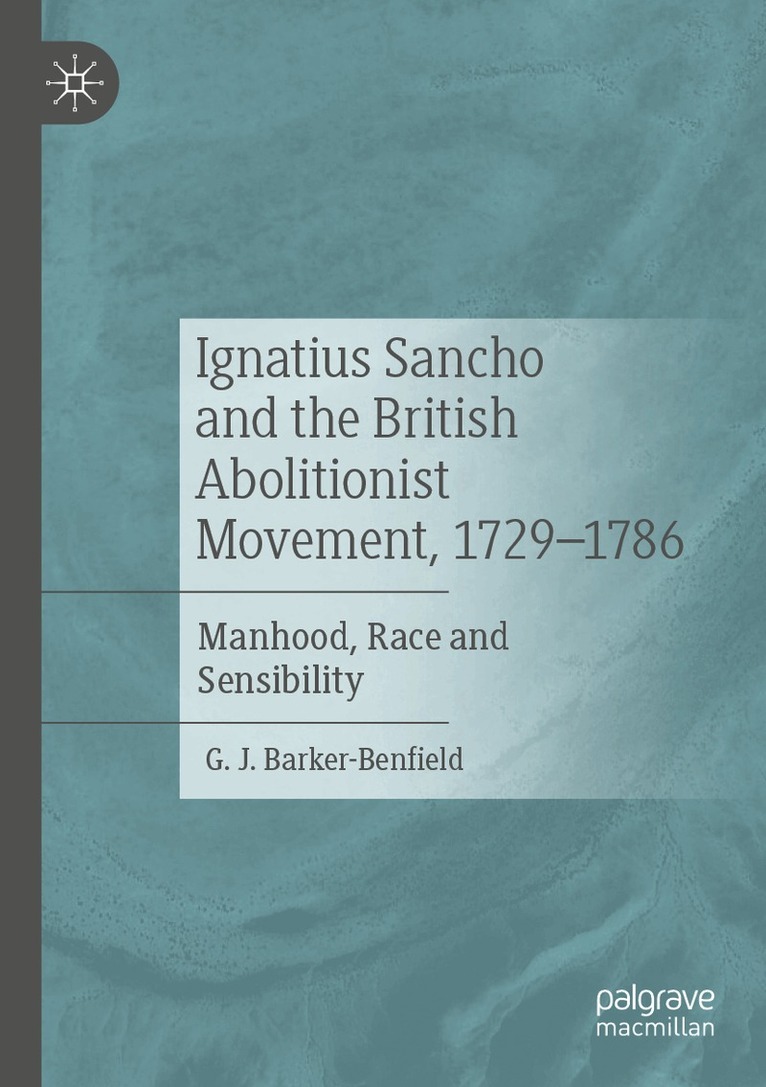
This book highlights the significant role played by Ignatius Sancho (c. 1729-80), the first black man to vote in England, in the British abolitionist movement. Examining the letters of Sancho, and especially his correspondence with the influential novelist and preacher, Laurence Sterne, the author analyses the relationship between sensibility and antislavery in eighteenth-century Britain. The book demonstrates how Sancho navigated the bawdy, riotous conditions of commercial London, which was the headquarters of a growing and war-torn Empire. It shows how Sancho mastered the fashionable and gendered language of the culture of sensibility, navigating the contemporary issues of race, slavery, and politics. The book also touches on the White metropolitan and colonial preoccupation with Black men’s sexuality, which was intensified by the Somerset decision of 1772. Sancho’s was a unique and influential voice in eighteenth-century Britain, making this book an insightful read for scholars of anti-slavery as well as gender, race and imperialism in British history.
1 559 kr
Skickas inom 10-15 vardagar