G. Noctor – författare
Visar alla böcker från författaren G. Noctor. Handla med fri frakt och snabb leverans.
3 produkter
3 produkter
E-bok
PDF, Engelska, 20062 741 kr
Läs direkt efter köp
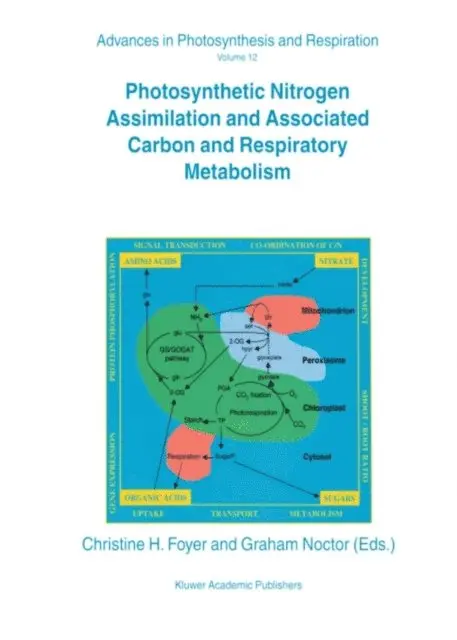
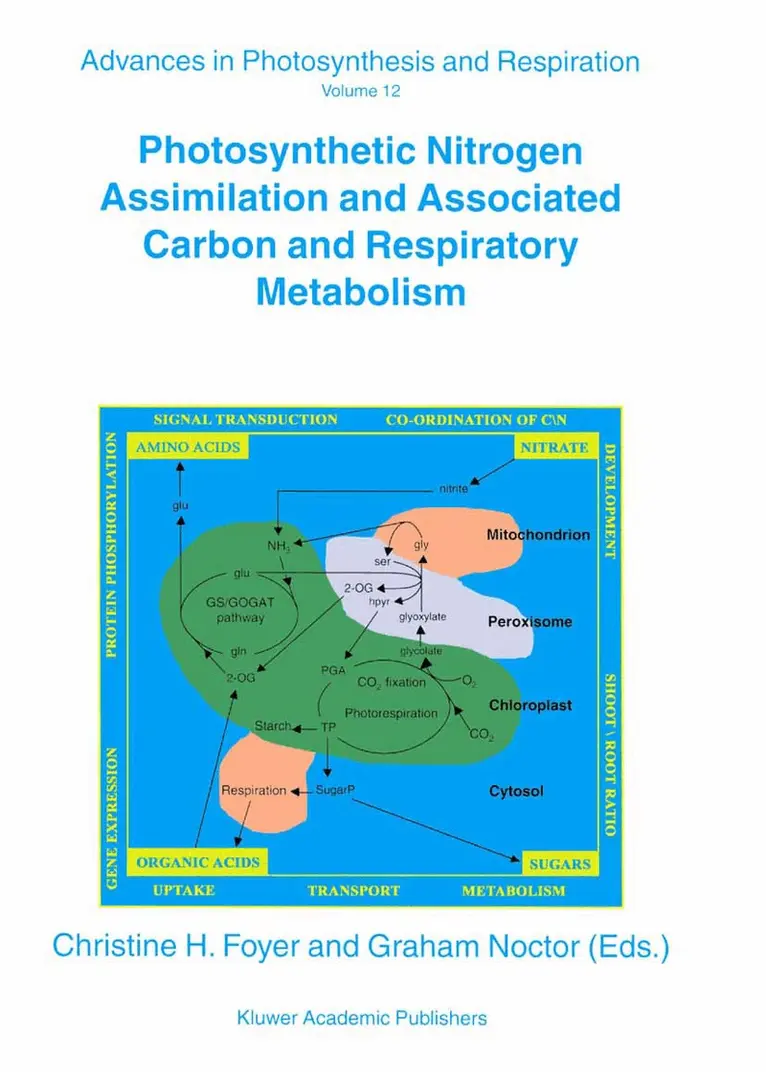
According to many textbooks, carbohydrates are the photosynthesis and mitochondrial respiration fluctuate in a circadian manner in almost every unique final products of plant photosynthesis. However, the photoautotrophic production of organic organism studied. In addition, external triggers and environmental influences necessitate precise and nitrogenous compounds may be just as old, in appropriate re-adjustment of relative flux rates, to evolutionary terms, as carbohydrate synthesis. In the algae and plants of today, the light-driven assimilation prevent excessive swings in energy/resource provision of nitrogen remains a key function, operating and use. This requires integrated control of the alongside and intermeshing with photosynthesis and expression and activity of numerous key enzymes in respiration. Photosynthetic production of reduced photosynthetic and respiratory pathways, in order to carbon and its reoxidation in respiration are necessary co-ordinate carbon partioning and nitrogen assim- ation. to produce both the energy and the carbon skeletons required for the incorporation of inorganic nitrogen This volume has two principal aims. The first is to into amino acids. Conversely, nitrogen assimilation provide a comprehensive account of the very latest developments in our understanding of how green is required to sustain the output of organic carbon cells reductively incorporate nitrate and ammonium and nitrogen. Together, the sugars and amino acids into the organic compounds required for growth.
Inbunden, Engelska, 2002
2 174 kr
Skickas inom 10-15 vardagar
This text focuses on the most up-to-date developments in our understanding of how plants use light energy and fixed carbon to assimilate nitrate and ammonium into the organic compounds required for growth. From the partitioning of organic nitrogen within the photosynthetic apparatus, through the primary processes of reduction of nitrate and nitrite and the assimilation of ammonium and its cycling in photorespiration, the complex interactions inherent in the crosstalk between carbon and nitrogen assimilation are considered and exciting new developments such as nitric oxide production evaluated. Attention is paid throughout to the close co-ordination of photosynthetic and respiratory processes in nitrogen assimilation. Emerging concepts of the interdependence of chloroplasts and mitochondria are described, and essential communication, transport and signalling processes are highlighted. This is the first comprehensive treatise on photosynthetic nitrogen assimilation.
Häftad, Engelska, 2011
2 176 kr
Skickas inom 10-15 vardagar
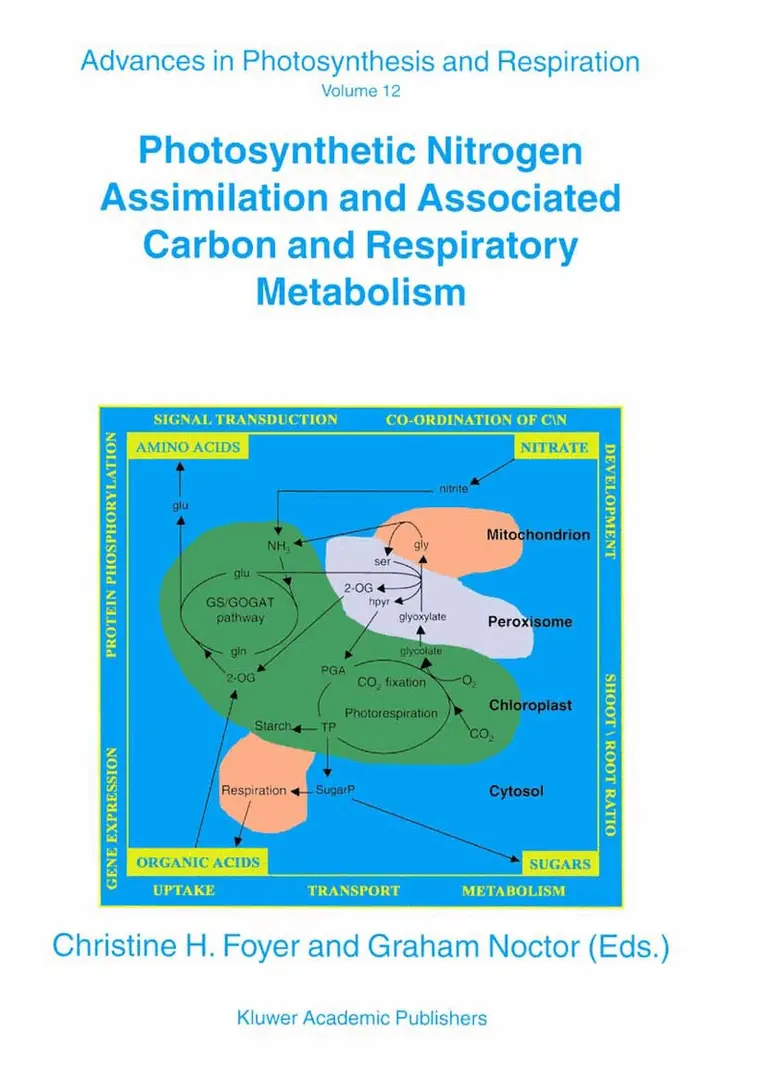
According to many textbooks, carbohydrates are the photosynthesis and mitochondrial respiration fluctuate in a circadian manner in almost every unique final products of plant photosynthesis. However, the photoautotrophic production of organic organism studied. In addition, external triggers and environmental influences necessitate precise and nitrogenous compounds may be just as old, in appropriate re-adjustment of relative flux rates, to evolutionary terms, as carbohydrate synthesis. In the algae and plants of today, the light-driven assimilation prevent excessive swings in energy/resource provision of nitrogen remains a key function, operating and use. This requires integrated control of the alongside and intermeshing with photosynthesis and expression and activity of numerous key enzymes in respiration. Photosynthetic production of reduced photosynthetic and respiratory pathways, in order to carbon and its reoxidation in respiration are necessary co-ordinate carbon partioning and nitrogen assim- ation. to produce both the energy and the carbon skeletons required for the incorporation of inorganic nitrogen This volume has two principal aims. The first is to into amino acids. Conversely, nitrogen assimilation provide a comprehensive account of the very latest developments in our understanding of how green is required to sustain the output of organic carbon cells reductively incorporate nitrate and ammonium and nitrogen. Together, the sugars and amino acids into the organic compounds required for growth.