G. Pridham – författare
Visar alla böcker från författaren G. Pridham. Handla med fri frakt och snabb leverans.
6 produkter
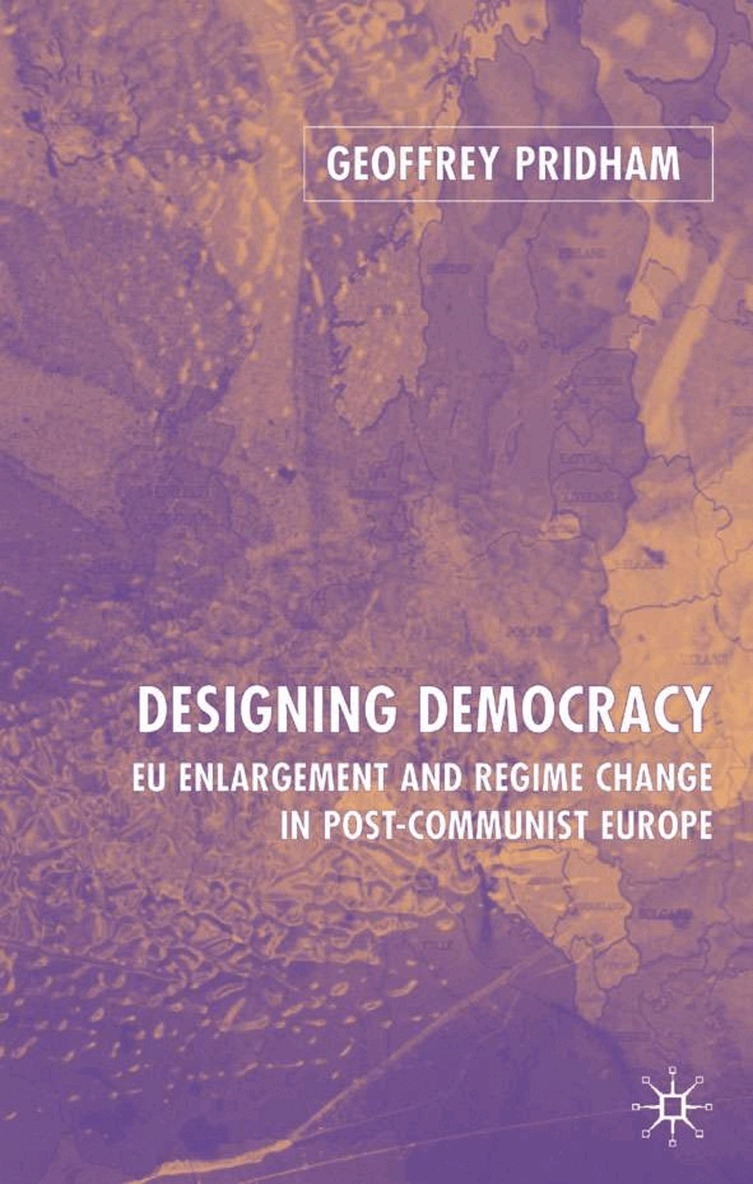
Designing Democracy
EU Enlargement and Regime Change in Post-Communist Europe
Av G. Pridham
E-bok, 2005
763 kr
Lägg i varukorg
Designing Democracy is the first systematic and in-depth study of the effects of the EU''s democratic conditionality, originally set out in the Copenhagen conditions of 1993, on the new political systems of Central and Eastern Europe. Using new material drawn from extensive elite interviews in …
Nazism 1919–1945 Volume 1
The Rise to Power 1919–1934: A Documentary Reader
Av Noakes, Jeremy Noakes m. fl.
Häftad, 1998
403 kr
Lägg i varukorg
Volume 1 of this series of documents with commentary covers the period from the founding of the Nazi Party in 1919 to Hitler's assumption of the office of Fuhrer and Reich Chancellor of 1 August 1934. The documents in the four volumes of this series are drawn from a wide range of sources - official …
Nazism 1919–1945 Volume 2
State, Economy and Society 1933–39: A Documentary Reader
Häftad, 2000
471 kr
Lägg i varukorg
Volume 2 of this series of documents with commentary covers the domestic aspects of the regime between 1933 and 1939: the political stystem, the economy and society, propaganda and indoctrination, policies towards youth and women, the SS system of terror, antisemitism and popular attitudes towards …
Nazism 1919–1945 Volume 3
Foreign Policy, War and Racial Extermination: A Documentary Reader
Häftad, 2001
471 kr
Lägg i varukorg
This is a new edition of Volume Three of the four volume collection of documents on Nazism 1919-1945, with substantial revisions to three chapters and the inclusion of many new documents, an index and a revised bibliography. The volume contains the most systematic documentation available in English …
Designing Democracy
EU Enlargement and Regime Change in Post-Communist Europe
Av G. Pridham
Häftad, 2005
551 kr
Lägg i varukorg
Designing Democracy is the first systematic and in-depth study of the effects of the EU's democratic conditionality, originally set out in the Copenhagen conditions of 1993, on the new political systems of Central and Eastern Europe. Using new material drawn from extensive elite interviews in …
Designing Democracy
EU Enlargement and Regime Change in Post-Communist Europe
Av G. Pridham
Inbunden, 2005
551 kr
Lägg i varukorg
Designing Democracy is the first systematic and in-depth study of the effects of the EU's democratic conditionality, originally set out in the Copenhagen conditions of 1993, on the new political systems of Central and Eastern Europe. Using new material drawn from extensive elite interviews in …