G. S. Saharan – författare
Visar alla böcker från författaren G. S. Saharan. Handla med fri frakt och snabb leverans.
3 produkter
3 produkter
Inbunden, Engelska, 2008
2 373 kr
Skickas inom 10-15 vardagar
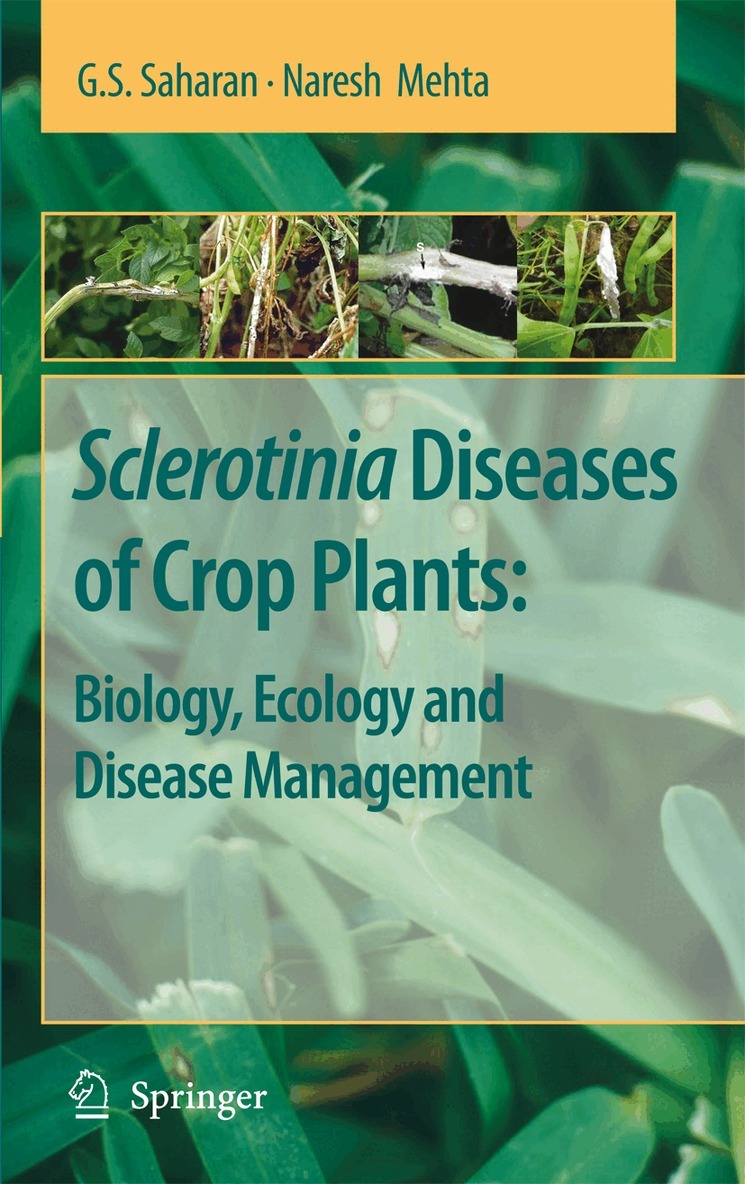
The fungus Sclerotinia has always been a fancy and interesting subject of research both for the mycologists and pathologists. More than 250 species of the fungus have been reported in different host plants all over the world that cause heavy economic losses. It was a challenge to discover weak links in the disease cycle to manage Sclerotinia diseases of large number of crops. For researchers and s- dents, it has been a matter of concern, how to access voluminous literature on Sclerotinia scattered in different journals, reviews, proceedings of symposia, workshops, books, abstracts etc. to get a comprehensive picture. With the pub- cation of book on ‘Sclerotinia’, it has now become quite clear that now only three species of Sclerotinia viz. , S. sclerotiorum, S. minor and S. trifoliorum are valid. The authors have made an excellent attempt to compile all the available infor- tion on various aspects of the fungus Sclerotinia. The information generated so far has been presented in different chapters. After introducing the subject various aspects viz. , the diseases, symptomatology, disease assessment, its distribution, economic importance, the pathogen, its taxonomy, nomenclature, reproduction, reproductive structures with fine details, variability, perpetuation, infection and pathogenesis, biochemical, molecular and physiological aspects of host-pathogen interaction, seed infection, disease cycle, epidemiology and forecasting, host resistance with sources of resistance, mechanism of resistance and other mana- ment strategies have been covered.
E-bok
PDF, Engelska, 20083 054 kr
Läs direkt efter köp
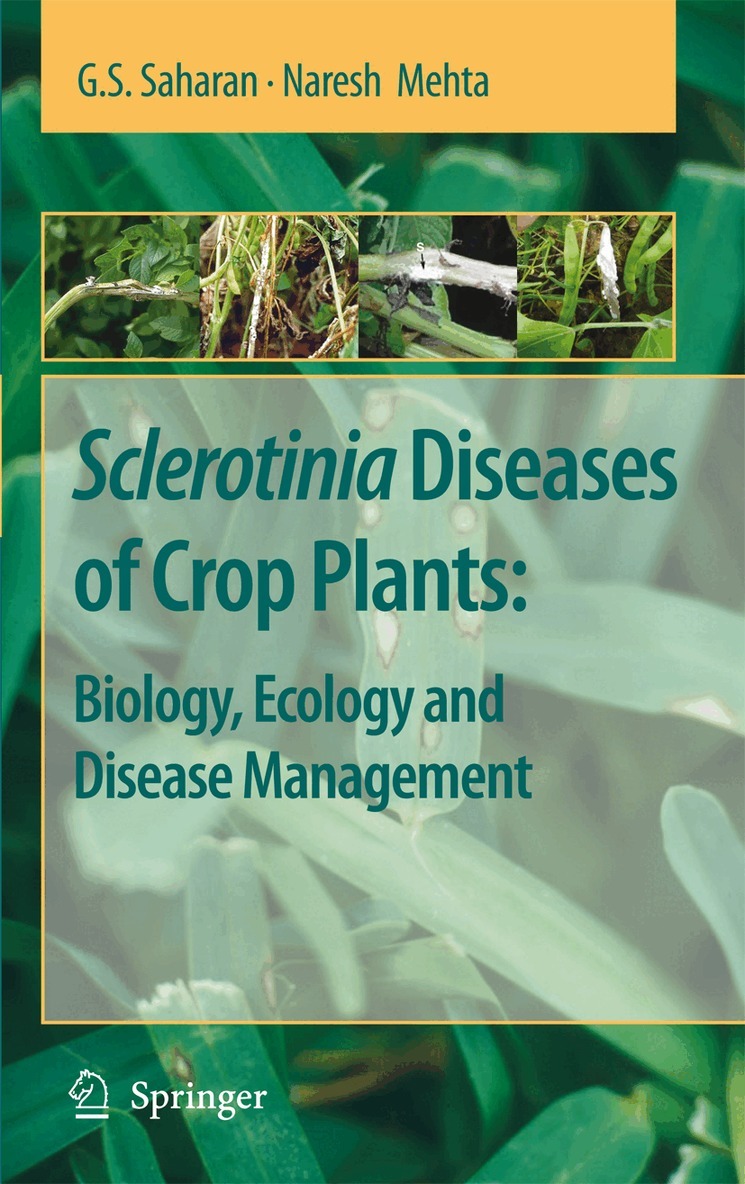
The fungus Sclerotinia has always been a fancy and interesting subject of research both for the mycologists and pathologists. More than 250 species of the fungus have been reported in different host plants all over the world that cause heavy economic losses. It was a challenge to discover weak links in the disease cycle to manage Sclerotinia diseases of large number of crops. For researchers and s- dents, it has been a matter of concern, how to access voluminous literature on Sclerotinia scattered in different journals, reviews, proceedings of symposia, workshops, books, abstracts etc. to get a comprehensive picture. With the pub- cation of book on ‘Sclerotinia’, it has now become quite clear that now only three species of Sclerotinia viz. , S. sclerotiorum, S. minor and S. trifoliorum are valid. The authors have made an excellent attempt to compile all the available infor- tion on various aspects of the fungus Sclerotinia. The information generated so far has been presented in different chapters. After introducing the subject various aspects viz. , the diseases, symptomatology, disease assessment, its distribution, economic importance, the pathogen, its taxonomy, nomenclature, reproduction, reproductive structures with fine details, variability, perpetuation, infection and pathogenesis, biochemical, molecular and physiological aspects of host-pathogen interaction, seed infection, disease cycle, epidemiology and forecasting, host resistance with sources of resistance, mechanism of resistance and other mana- ment strategies have been covered.
Häftad, Engelska, 2010
2 373 kr
Skickas inom 10-15 vardagar
The fungus Sclerotinia has always been a fancy and interesting subject of research both for the mycologists and pathologists. More than 250 species of the fungus have been reported in different host plants all over the world that cause heavy economic losses. It was a challenge to discover weak links in the disease cycle to manage Sclerotinia diseases of large number of crops. For researchers and s- dents, it has been a matter of concern, how to access voluminous literature on Sclerotinia scattered in different journals, reviews, proceedings of symposia, workshops, books, abstracts etc. to get a comprehensive picture. With the pub- cation of book on ‘Sclerotinia’, it has now become quite clear that now only three species of Sclerotinia viz. , S. sclerotiorum, S. minor and S. trifoliorum are valid. The authors have made an excellent attempt to compile all the available infor- tion on various aspects of the fungus Sclerotinia. The information generated so far has been presented in different chapters. After introducing the subject various aspects viz. , the diseases, symptomatology, disease assessment, its distribution, economic importance, the pathogen, its taxonomy, nomenclature, reproduction, reproductive structures with fine details, variability, perpetuation, infection and pathogenesis, biochemical, molecular and physiological aspects of host-pathogen interaction, seed infection, disease cycle, epidemiology and forecasting, host resistance with sources of resistance, mechanism of resistance and other mana- ment strategies have been covered.