G. Sasse – författare
Visar alla böcker från författaren G. Sasse. Handla med fri frakt och snabb leverans.
3 produkter
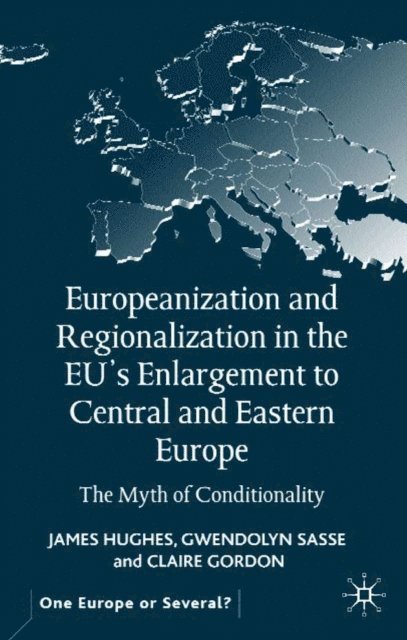
Europeanization and Regionalization in the EU's Enlargement to Central and Eastern Europe
The Myth of Conditionality
E-bok, 2004
779 kr
Lägg i varukorg
This book is a study of EU conditionality and compliance during the enlargement to the Central and Eastern European candidate countries. EU conditionality for membership is widely understood as having been a driving force for Europeanization, providing incentives and sanctions for compliance or …
Europeanization and Regionalization in the EU's Enlargement to Central and Eastern Europe
The Myth of Conditionality
Häftad, 2004
554 kr
Lägg i varukorg
This book is a study of EU conditionality and compliance during the enlargement to the Central and Eastern European candidate countries. EU conditionality for membership is widely understood as having been a driving force for Europeanization, providing incentives and sanctions for compliance or …
Europeanization and Regionalization in the EU's Enlargement to Central and Eastern Europe
The Myth of Conditionality
Inbunden, 2004
554 kr
Lägg i varukorg
This book is a study of EU conditionality and compliance during the enlargement to the Central and Eastern European candidate countries. EU conditionality for membership is widely understood as having been a driving force for Europeanization, providing incentives and sanctions for compliance or …