Gabriel Kolko – författare
Visar alla böcker från författaren Gabriel Kolko. Handla med fri frakt och snabb leverans.
20 produkter
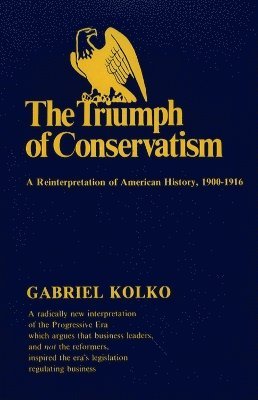
Triumph of Conservatism
Häftad, 1977
265 kr
Lägg i varukorg
A radically new interpretation of the Progressive Era which argues that business leaders, and not the reformers, inspired the era’s legislation regarding business.
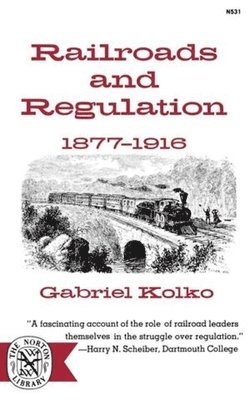
Railroads and Regulation, 1877-1916
Häftad, 1970
309 kr
Lägg i varukorg
Government regulation of the railroads is probably the most important example of federal intervention in the economy from the Civil War to World War I. It is also a key to an assessment of the impulses and motives behind Progressivism. In Railroads and Regulation, Gabriel Kolko presents a case …
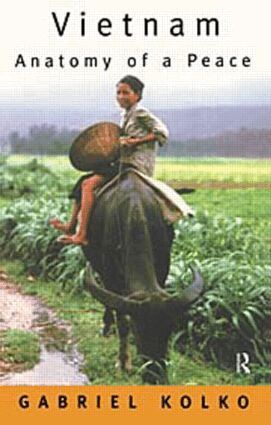
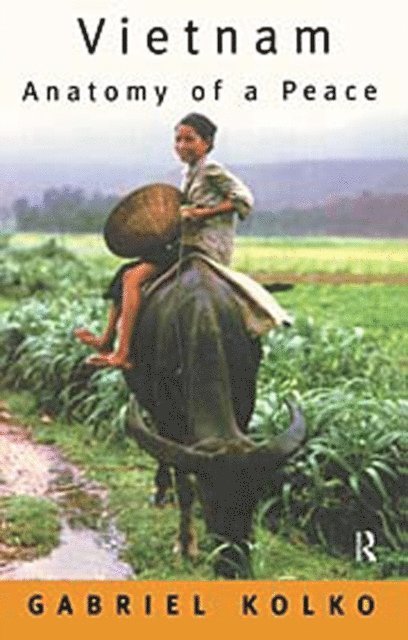
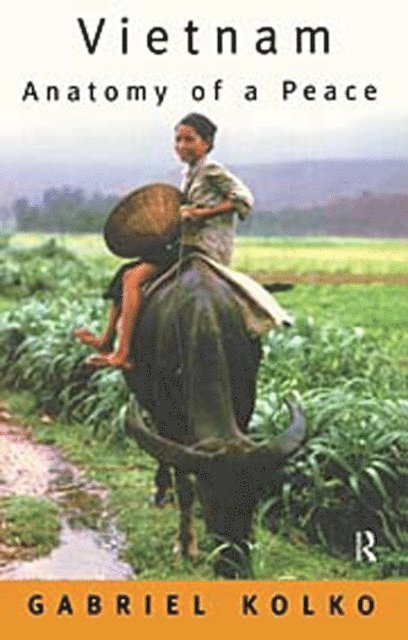
Vietnam: Anatomy of a Peace
Inbunden, 1997
2504 kr
Lägg i varukorg
Vietnam has experienced huge political and economic development since the war. In Anatomy of a Peace, Gabriel Kolko looks at the main economic phases the Communist Party has embarked upon since 1986 and outlines the transition to nascent capitalism. He also explores Vietnam's relations to its …
Vietnam: Anatomy of a Peace
Häftad, 1997
650 kr
Lägg i varukorg
Vietnam has experienced huge political and economic development since the war. In Anatomy of a Peace, Gabriel Kolko looks at the main economic phases the Communist Party has embarked upon since 1986 and outlines the transition to nascent capitalism. He also explores Vietnam's relations to its …
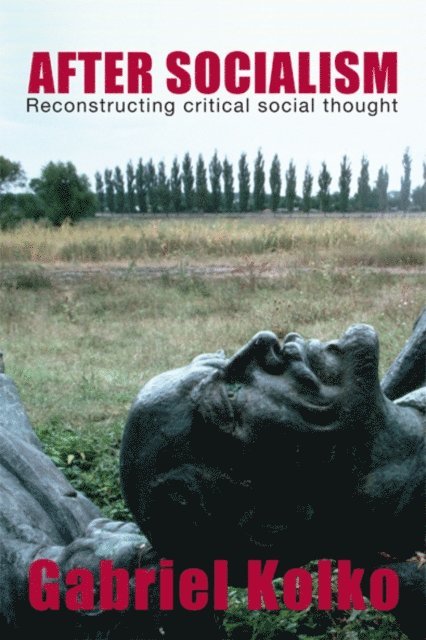
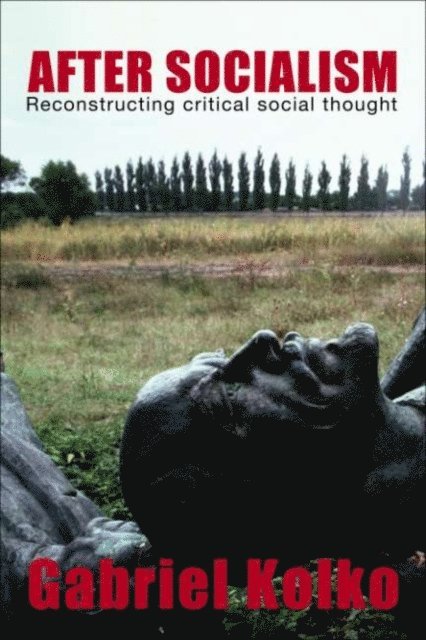
After Socialism
Reconstructing Critical Social Thought
Inbunden, 2006
2744 kr
Lägg i varukorg
Does socialism have a future in the world of the twenty-first century? If not, what is the future for progressive politics?This is a major contribution to contemporary social and political thought written by one of the world's leading critical historians. Gabriel Kolko ask the difficult questions …
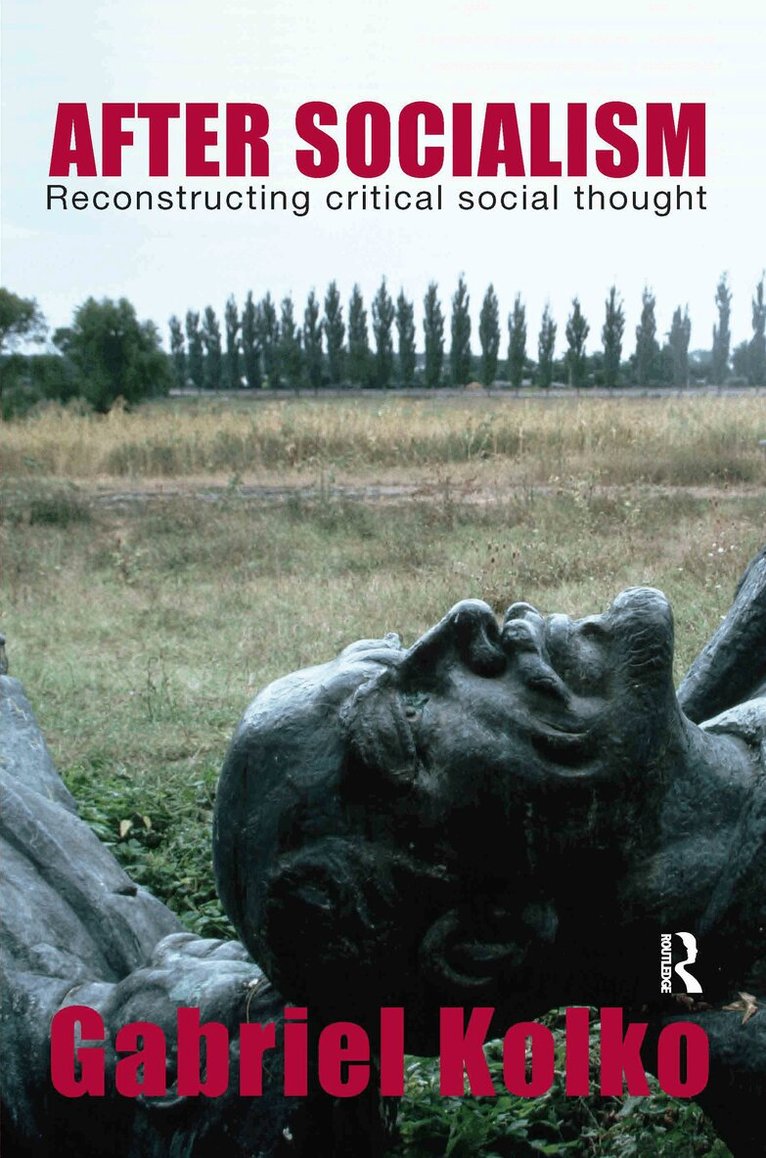
After Socialism
Reconstructing Critical Social Thought
Häftad, 2006
793 kr
Lägg i varukorg
Does socialism have a future in the world of the twenty-first century? If not, what is the future for progressive politics?This is a major contribution to contemporary social and political thought written by one of the world's leading critical historians. Gabriel Kolko ask the difficult questions …
Railroads and Regulations, 1877-1916
Häftad, 2015
833 kr
Lägg i varukorg
This examination of the relationship of the economy to political process in the United States from 1877 to 1916 shows how the railroad industry encouraged and relied on national politics to solve its economic problems, and created a precedent for government regulation of the economy in the …
Railroads and Regulations, 1877-1916
Inbunden, 2016
1108 kr
Lägg i varukorg
This examination of the relationship of the economy to political process in the United States from 1877 to 1916 shows how the railroad industry encouraged and relied on national politics to solve its economic problems, and created a precedent for government regulation of the economy in the …
After Socialism
Reconstructing Critical Social Thought
E-bok, 2006
831 kr
Lägg i varukorg
Does socialism have a future in the world of the twenty-first century? If not, what is the future for progressive politics? This is a major contribution to contemporary social and political thought written by one of the world''s leading critical historians. Gabriel Kolko ask the difficult questions …
After Socialism
Reconstructing Critical Social Thought
E-bok, 2006
831 kr
Lägg i varukorg
Does socialism have a future in the world of the twenty-first century? If not, what is the future for progressive politics? This is a major contribution to contemporary social and political thought written by one of the world''s leading critical historians. Gabriel Kolko ask the difficult questions …
Vietnam: Anatomy of a Peace
E-bok, 2008
767 kr
Lägg i varukorg
Vietnam has experienced huge political and economic development since the war. In Anatomy of a Peace , Gabriel Kolko looks at the main economic phases the Communist Party has embarked upon since 1986 and outlines the transition to nascent capitalism. He also explores Vietnam''s relations to its …
Vietnam: Anatomy of a Peace
E-bok, 2008
750 kr
Lägg i varukorg
Vietnam has experienced huge political and economic development since the war. In Anatomy of a Peace , Gabriel Kolko looks at the main economic phases the Communist Party has embarked upon since 1986 and outlines the transition to nascent capitalism. He also explores Vietnam''s relations to its …
Railroads and Regulations, 1877-1916
E-bok, 2015
617 kr
Lägg i varukorg
This examination of the relationship of the economy to political process in the United States from 1877 to 1916 shows how the railroad industry encouraged and relied on national politics to solve its economic problems, and created a precedent for government regulation of the economy in the …
Triumph of Conservatism
E-bok, 2008
213 kr
Lägg i varukorg
A radically new interpretation of the Progressive Era which argues that business leaders, and not the reformers, inspired the era’s legislation regarding business.
Century of War
Politics, Conflicts, and Society Since 1914
Häftad, 1995
183 kr
Lägg i varukorg
Over the last three decades the historian Gabriel Kolko has redefined the way we look at modern warfare and its social and political effects. Century of War gives us a masterly synthesis of the effects of war on civilian populations and the political results of these traumatizing experiences in the …
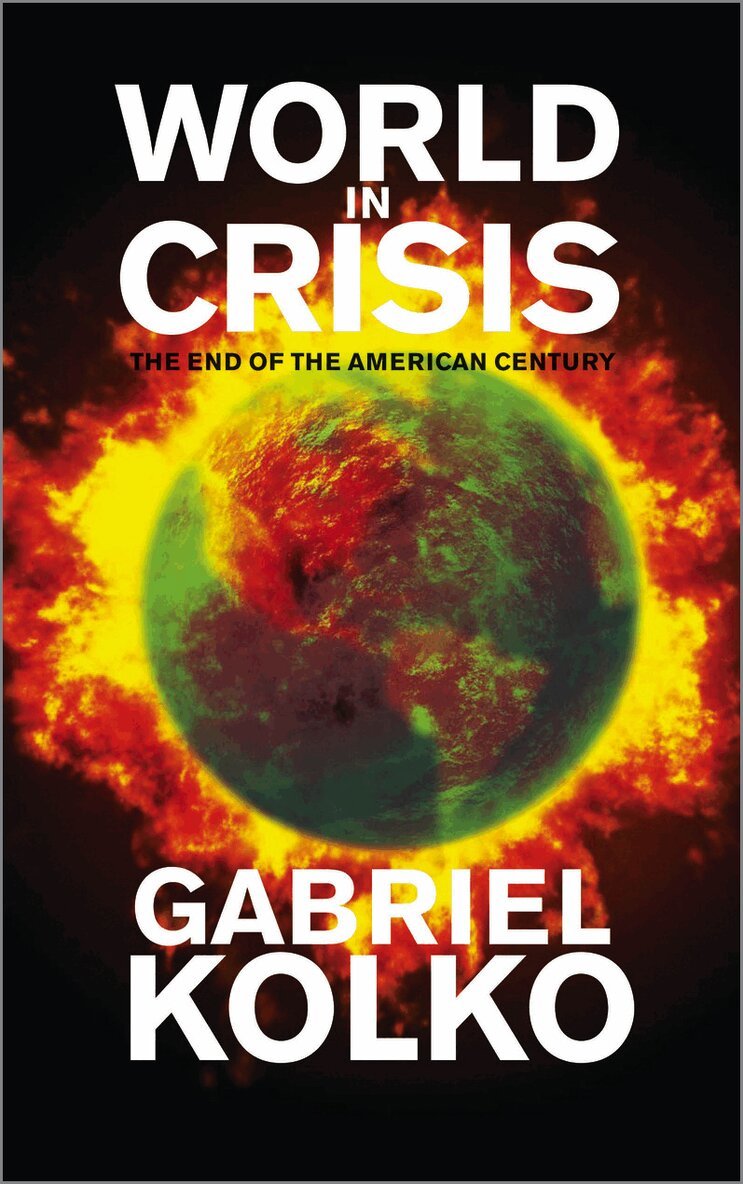
World in Crisis
The End of the American Century
E-bok, 2009
153 kr
Lägg i varukorg
World in Crisis is a new book from one of the world''s leading scholars. Gabriel Kolko provides a panoramic overview of the problems facing the US and the world today. Each chapter covers a key topic, spanning a range of international issues including the current financial crisis, the limits of US …
World in Crisis
The End of the American Century
Häftad, 2009
292 kr
Tillfälligt slut
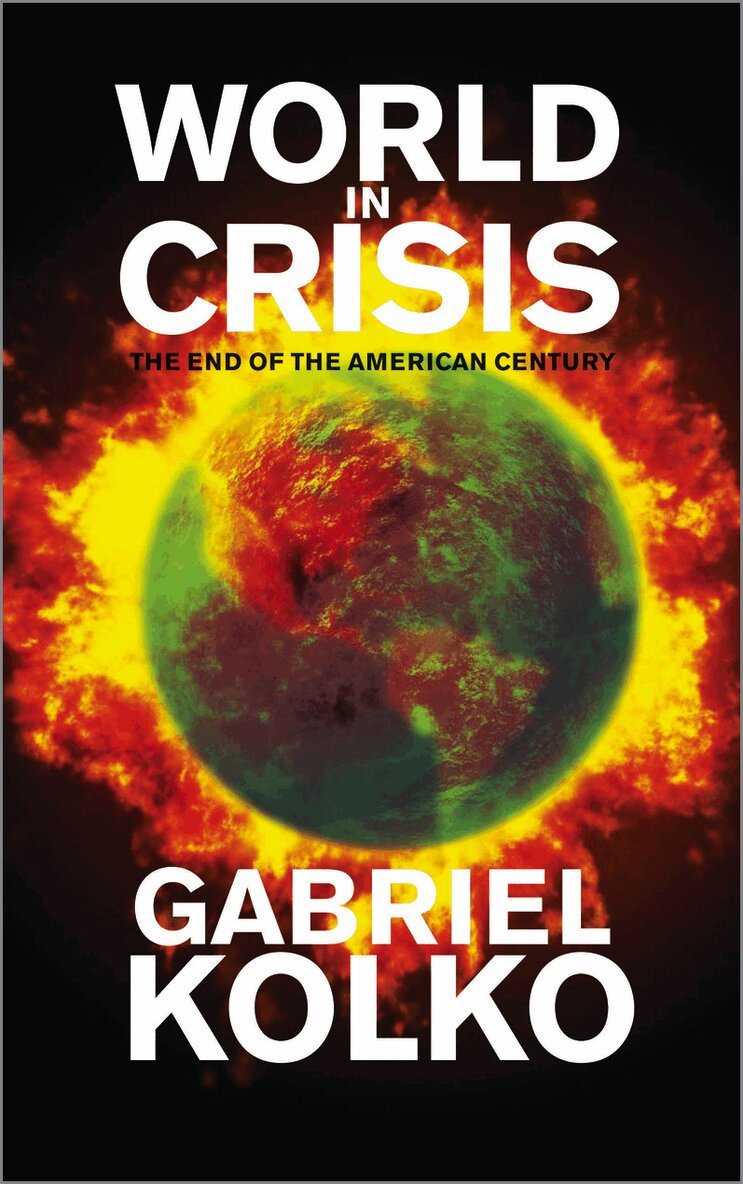
World in Crisis is a new book from one of the world's leading scholars.Gabriel Kolko provides a panoramic overview of the problems facing the US and the world today. Each chapter covers a key topic, spanning a range of international issues including the current financial crisis, the limits of US …
World in Crisis
The End of the American Century
Inbunden, 2009
943 kr
Tillfälligt slut
World in Crisis is a new book from one of the world's leading scholars.Gabriel Kolko provides a panoramic overview of the problems facing the US and the world today. Each chapter covers a key topic, spanning a range of international issues including the current financial crisis, the limits of US …