Gabriel Luque – författare
Visar alla böcker från författaren Gabriel Luque. Handla med fri frakt och snabb leverans.
9 produkter
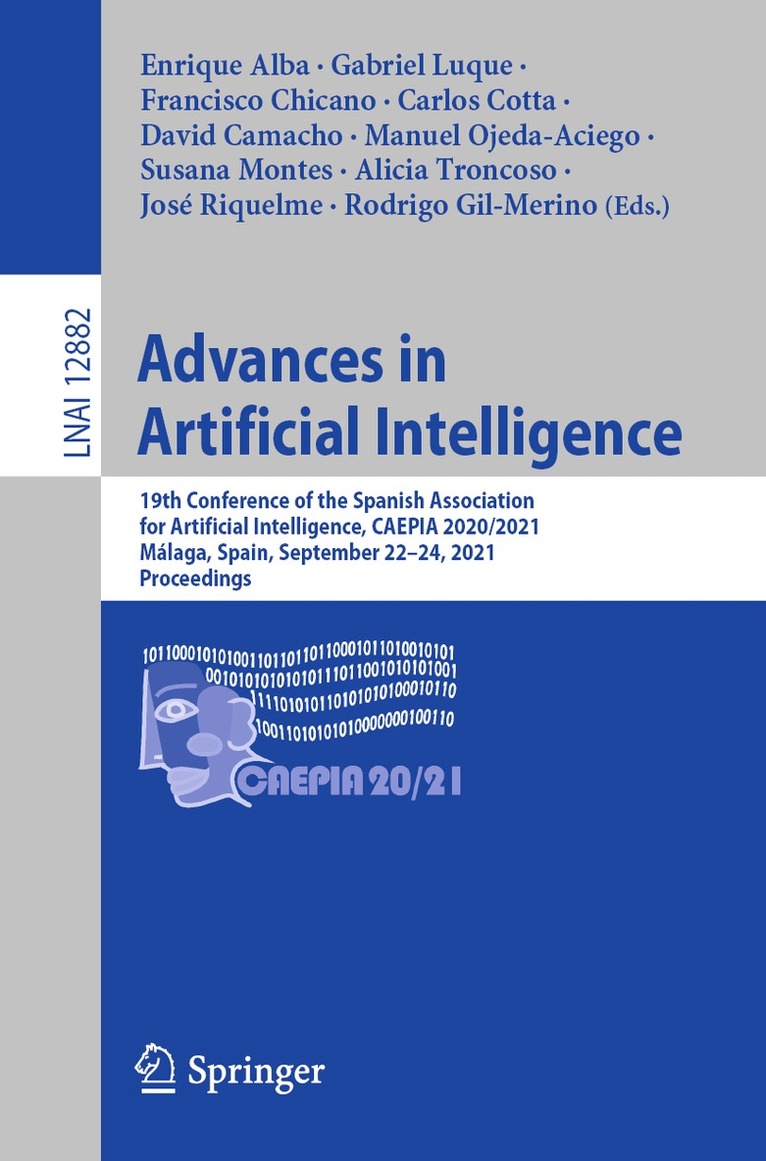
Advances in Artificial Intelligence
19th Conference of the Spanish Association for Artificial Intelligence, CAEPIA 2020/2021, Málaga, Spain, September 22–24, 2021, Proceedings
Av Enrique Alba, Gabriel Luque m. fl.
Häftad, 2021
799 kr
Lägg i varukorg
This book constitutes the refereed proceedings of the 19th Conference of the Spanish Association for Artificial Intelligence, CAEPIA 2020, which was cancelled due to the COVID-19 pandemic, amalgamated with CAEPIA 2021, and held in Malaga, Spain, during September 2021.The 25 full papers presented …
Advances in Artificial Intelligence
19th Conference of the Spanish Association for Artificial Intelligence, CAEPIA 2020/2021, Málaga, Spain, September 22–24, 2021, Proceedings
Av Rodrigo Gil-Merino, Jose Riquelme m. fl.
E-bok, 2021
1030 kr
Lägg i varukorg
This book constitutes the refereed proceedings of the 19th Conference of the Spanish Association for Artificial Intelligence, CAEPIA 2020, which was cancelled due to the COVID-19 pandemic, amalgamated with CAEPIA 2021, and held in Malaga, Spain, during September 2021. The 25 full papers presented …
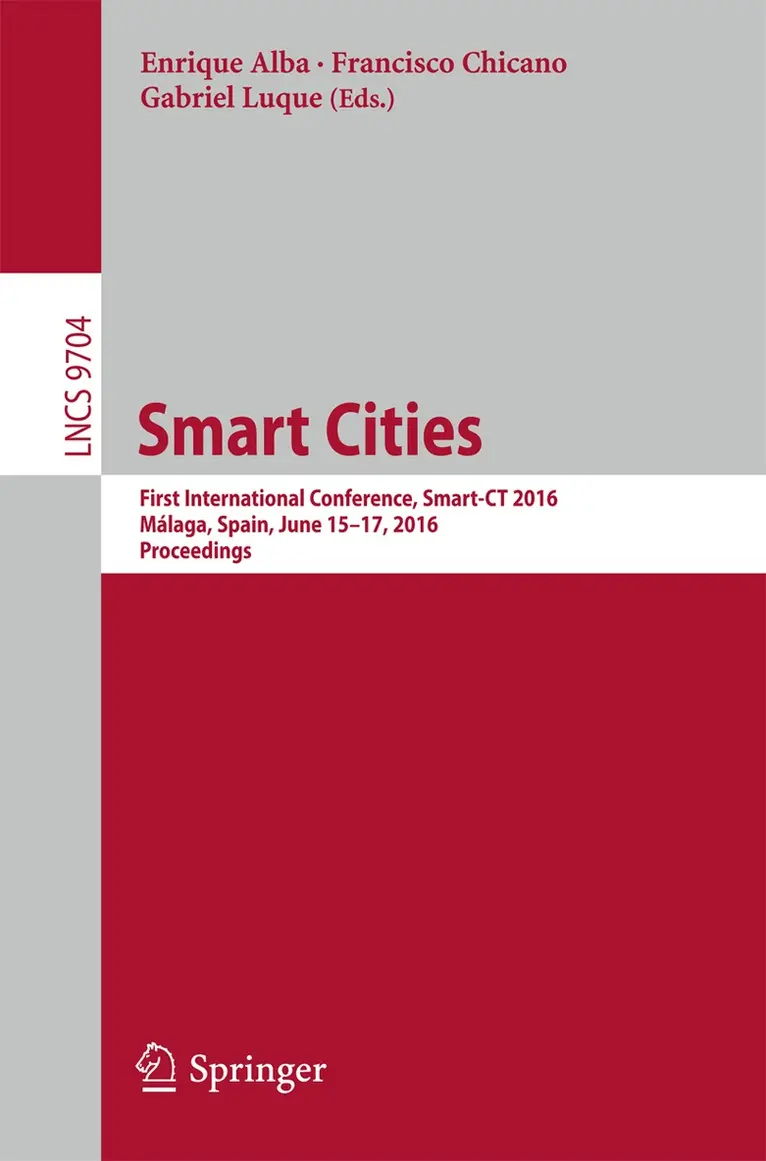
Smart Cities
First International Conference, Smart-CT 2016, Málaga, Spain, June 15-17, 2016, Proceedings
Av Enrique Alba, Francisco Chicano m. fl.
Häftad, 2016
567 kr
Lägg i varukorg
This book constitutes the proceedings of the First International Conference on Smart Cities, Smart-CT 2016, held in Malaga, Spain, in June 2016. The 16 papers presented in this volume were carefully reviewed and selected from 28 submissions. They topics covered include studies and tools to improve …
Smart Cities
First International Conference, Smart-CT 2016, Málaga, Spain, June 15-17, 2016, Proceedings
Av Gabriel Luque, Francisco Chicano m. fl.
E-bok, 2016
755 kr
Lägg i varukorg
This book constitutes the proceedings of the First International Conference on Smart Cities, Smart-CT 2016, held in Malaga, Spain, in June 2016. The 16 papers presented in this volume were carefully reviewed and selected from 28 submissions. They topics covered include studies and tools to improve …
Smart Cities
Second International Conference, Smart-CT 2017, Málaga, Spain, June 14-16, 2017, Proceedings
Av Enrique Alba, Francisco Chicano m. fl.
Häftad, 2017
567 kr
Lägg i varukorg
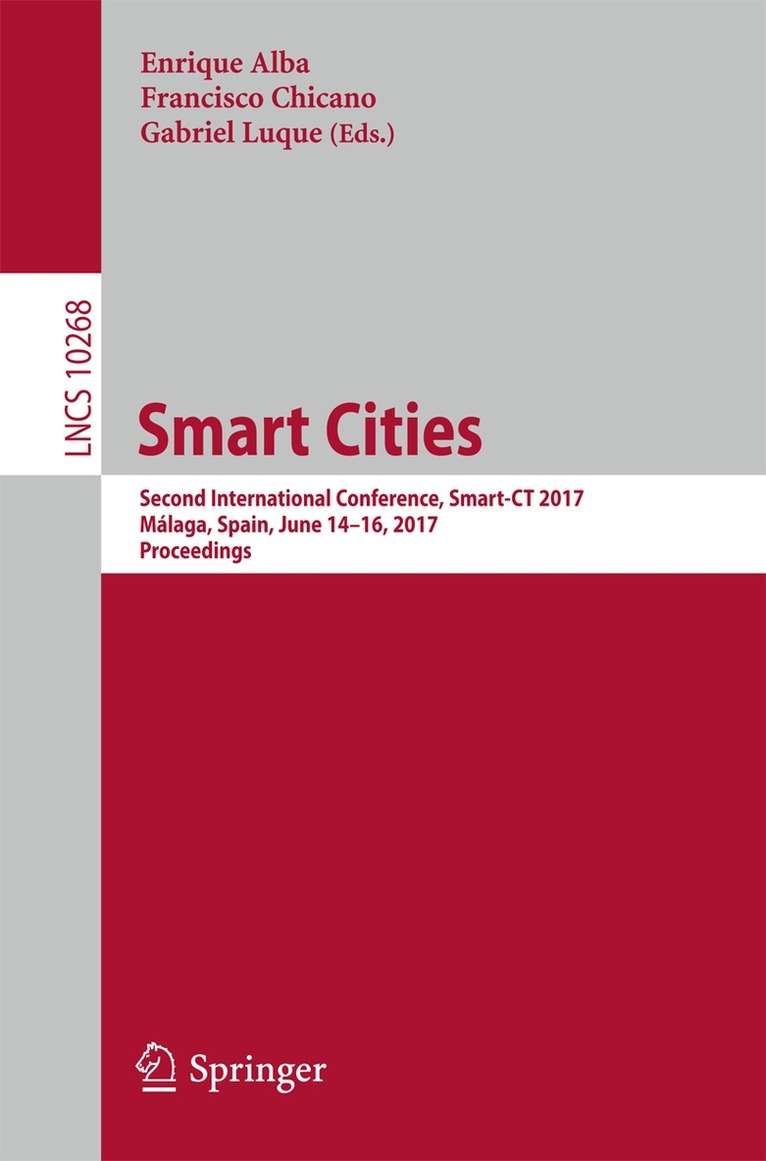
This book constitutes the proceedings of the second International Conference on Smart Cities, Smart-CT 2017, held in Málaga, Spain, in June 2017.The 16 papers presented in this volume were carefully reviewed and selected from 21 submissions. The topics covered include studies and tools to improve …
Smart Cities
Second International Conference, Smart-CT 2017, Málaga, Spain, June 14-16, 2017, Proceedings
Av Gabriel Luque, Francisco Chicano m. fl.
E-bok, 2017
755 kr
Lägg i varukorg
This book constitutes the proceedings of the second International Conference on Smart Cities, Smart-CT 2017, held in Málaga, Spain, in June 2017. The 16 papers presented in this volume were carefully reviewed and selected from 21 submissions. The topics covered include studies and tools to improve …
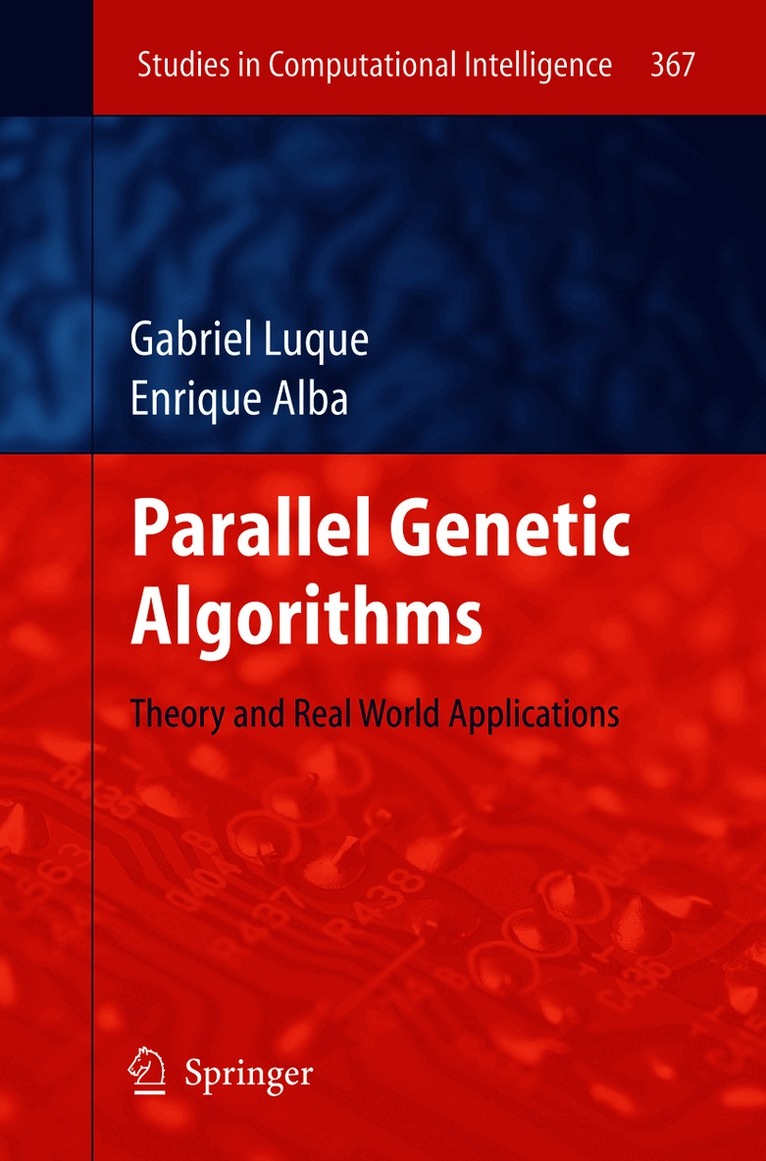
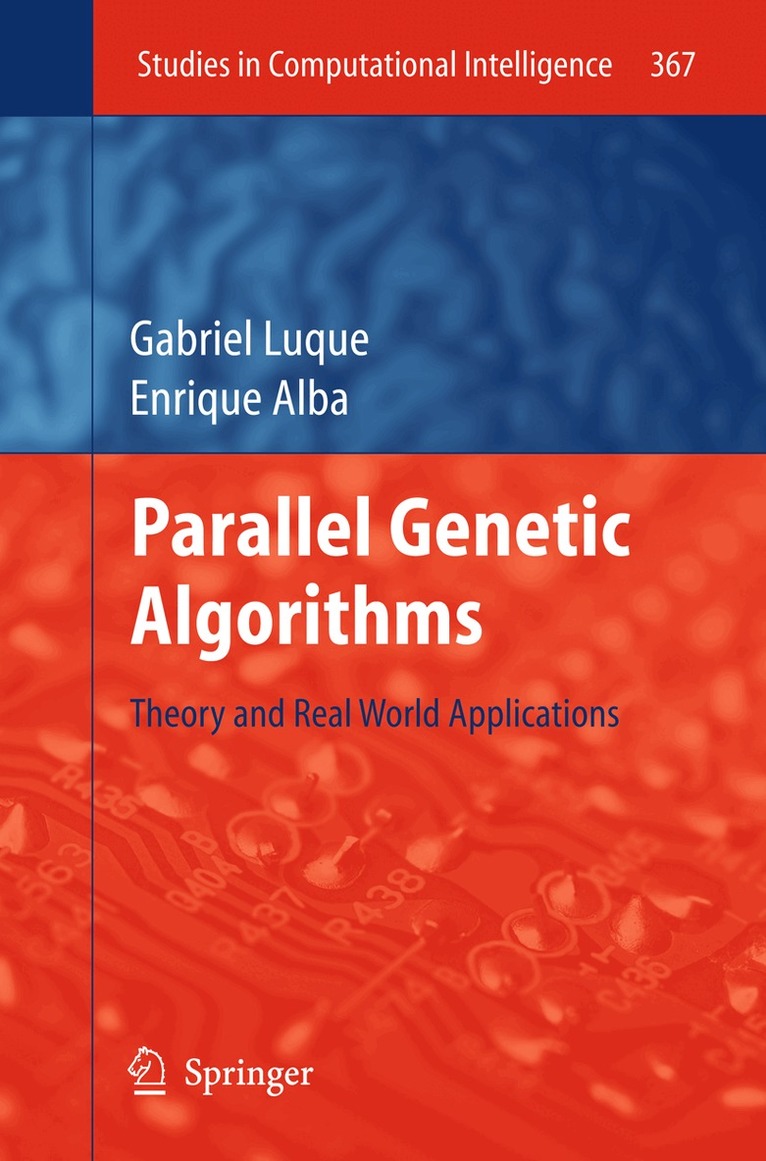
Parallel Genetic Algorithms
Theory and Real World Applications
Av Gabriel Luque, Enrique Alba
Inbunden, 2011
1098 kr
Lägg i varukorg
This book is the result of several years of research trying to better characterize parallel genetic algorithms (pGAs) as a powerful tool for optimization, search, and learning. Readers can learn how to solve complex tasks by reducing their high computational times. Dealing with two scientific …
Parallel Genetic Algorithms
Theory and Real World Applications
Av Enrique Alba, Gabriel Luque
E-bok, 2011
1459 kr
Lägg i varukorg
This book is the result of several years of research trying to better characterize parallel genetic algorithms (pGAs) as a powerful tool for optimization, search, and learning. Readers can learn how to solve complex tasks by reducing their high computational times. Dealing with two scientific …
Parallel Genetic Algorithms
Theory and Real World Applications
Av Gabriel Luque, Enrique Alba
Häftad, 2013
1098 kr
Lägg i varukorg
This book is the result of several years of research trying to better characterize parallel genetic algorithms (pGAs) as a powerful tool for optimization, search, and learning. Readers can learn how to solve complex tasks by reducing their high computational times. Dealing with two scientific …