Gabriel N. Rosenberg – författare
Visar alla böcker från författaren Gabriel N. Rosenberg. Handla med fri frakt och snabb leverans.
4 produkter
4 produkter
Häftad, Engelska, 2025
305 kr
Skickas inom 5-8 vardagar
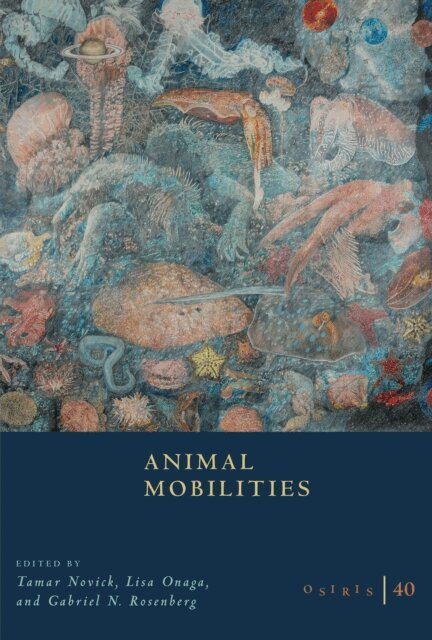
Situates "animal mobility" within the politics of movement, opening new perspectives in the history of science.Human societies often come to know the natural world by examining animals, even as animals, frequently both willful and animate, can elude human grasp and challenge human aims. Animals and their movements have underpinned many methodological, moral, and epistemic dilemmas that generatively trouble the field. Featuring a range of geographies, species, languages, and cultures, the contributions in this volume broaden the view of the historical roles animals play in knowledge production processes. Organized according to three scales of animal movement (individuals, groups, systems), the twelve richly illustrated inquiries are situated in different time periods, from the sixteenth-century Ottoman Empire to the recent globalized past, and introduce varied forms, capacities, and politics of movement associated with animals. The analytic attention to animal mobility deepens comprehension of animal agency and human–animal interactions in unexpected spaces, including airports, entertainment venues, living rooms, dirt roads, and waterways. Taken together, the case studies in this volume reconsider how, where, and by whom science is done.
Inbunden, Engelska, 2015
804 kr
Skickas inom 10-15 vardagar
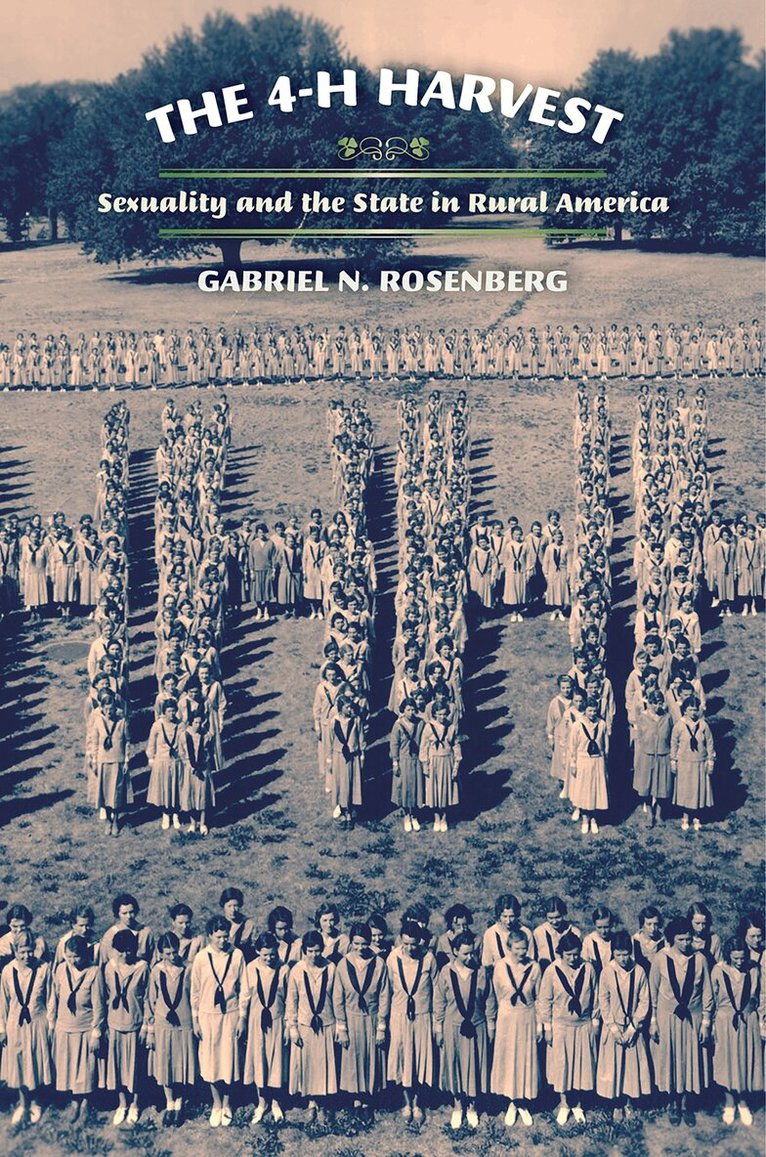
4-H, the iconic rural youth program run by the U.S. Department of Agriculture, has enrolled more than 70 million Americans over the last century. As the first comprehensive history of the organization, The 4-H Harvest tracks 4-H from its origins in turn-of-the-century agricultural modernization efforts, through its role in the administration of federal programs during the New Deal and World War II, to its status as an instrument of international development in Cold War battlegrounds like Vietnam and Latin America.In domestic and global settings, 4-H's advocates dreamed of transforming rural economies, communities, and families. Organizers believed the clubs would bypass backward patriarchs reluctant to embrace modern farming techniques. In their place, 4-H would cultivate efficient, capital-intensive farms and convince rural people to trust federal expertise. The modern 4-H farm also featured gender-appropriate divisions of labor and produced healthy, robust children. To retain the economic potential of the "best" youth, clubs insinuated state agents at the heart of rural family life. By midcentury, the vision of healthy 4-H'ers on family farms advertised the attractiveness of the emerging agribusiness economy.With rigorous archival research, Gabriel N. Rosenberg provocatively argues that public acceptance of the political economy of agribusiness hinged on federal efforts to establish a modern rural society through effective farming technology and techniques as well as through carefully managed gender roles, procreation, and sexuality. The 4-H Harvest shows how 4-H, like the countryside it often symbolizes, is the product of the modernist ambition to efficiently govern rural economies, landscapes, and populations.
E-bok
Engelska, 20151 140 kr
Läs direkt efter köp
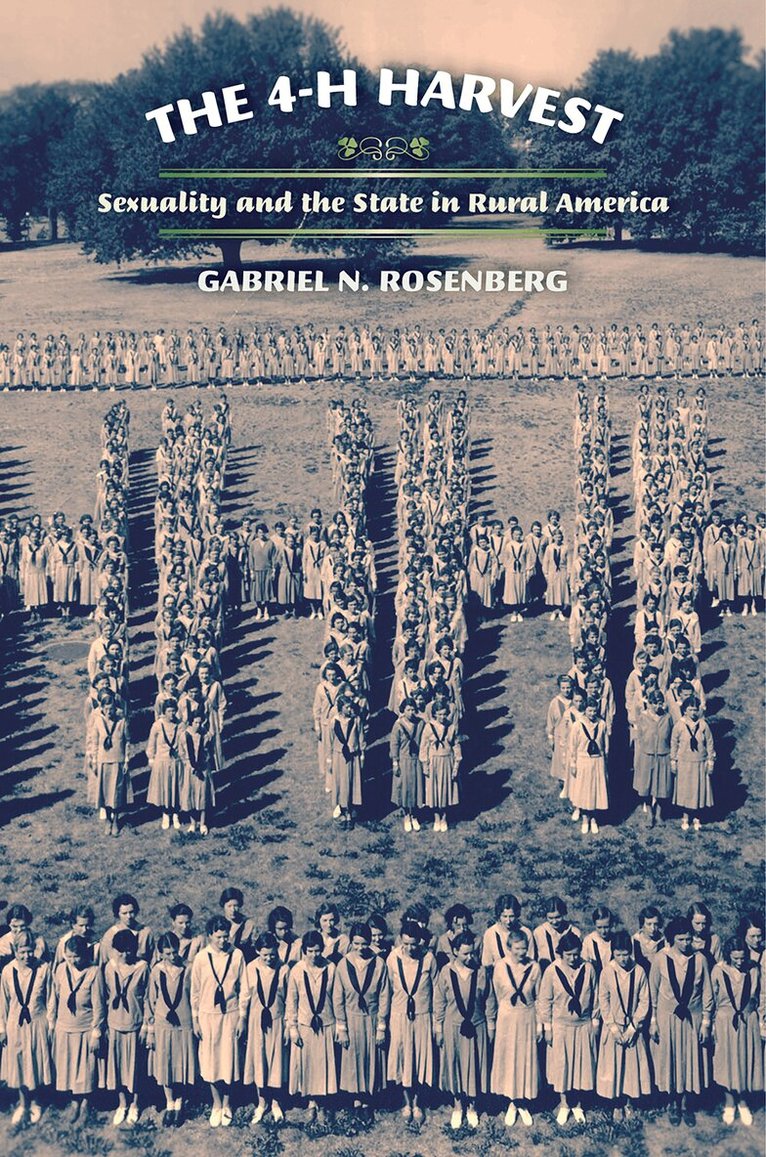
4-H, the iconic rural youth program run by the U.S. Department of Agriculture, has enrolled more than 70 million Americans over the last century. As the first comprehensive history of the organization, The 4-H Harvest tracks 4-H from its origins in turn-of-the-century agricultural modernization efforts, through its role in the administration of federal programs during the New Deal and World War II, to its status as an instrument of international development in Cold War battlegrounds like Vietnam and Latin America.In domestic and global settings, 4-H's advocates dreamed of transforming rural economies, communities, and families. Organizers believed the clubs would bypass backward patriarchs reluctant to embrace modern farming techniques. In their place, 4-H would cultivate efficient, capital-intensive farms and convince rural people to trust federal expertise. The modern 4-H farm also featured gender-appropriate divisions of labor and produced healthy, robust children. To retain the economic potential of the "best" youth, clubs insinuated state agents at the heart of rural family life. By midcentury, the vision of healthy 4-H'ers on family farms advertised the attractiveness of the emerging agribusiness economy.With rigorous archival research, Gabriel N. Rosenberg provocatively argues that public acceptance of the political economy of agribusiness hinged on federal efforts to establish a modern rural society through effective farming technology and techniques as well as through carefully managed gender roles, procreation, and sexuality. The 4-H Harvest shows how 4-H, like the countryside it often symbolizes, is the product of the modernist ambition to efficiently govern rural economies, landscapes, and populations.
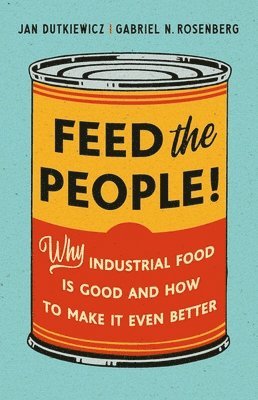
Inbunden, Engelska, 2026
328 kr
Skickas inom 3-6 vardagar