Gabriela de Lima Grecco – författare
Visar alla böcker från författaren Gabriela de Lima Grecco. Handla med fri frakt och snabb leverans.
7 produkter
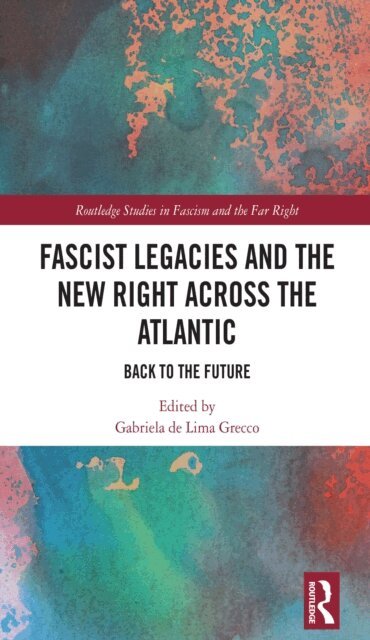
Fascist Legacies and the New Right Across the Atlantic
Back to the Future
E-bok, 2025
813 kr
Lägg i varukorg
This volume analyzes the historical continuities and transformations of fascist movements across Ibero-America, Europe, and the United States from the twentieth century to the twenty-first century.By examining political ideologies, networks, and transnational influences, the chapters explore how …
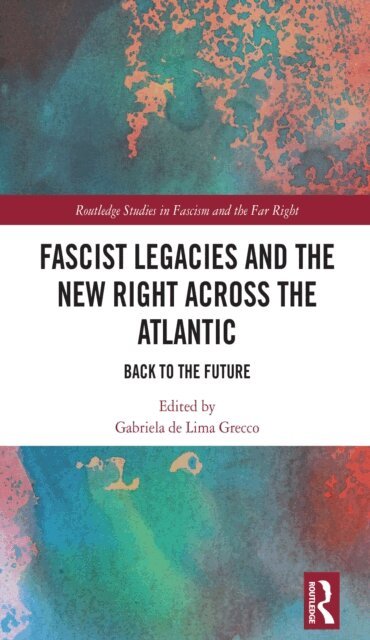
Fascist Legacies and the New Right Across the Atlantic
Back to the Future
E-bok, 2025
813 kr
Lägg i varukorg
This volume analyzes the historical continuities and transformations of fascist movements across Ibero-America, Europe, and the United States from the twentieth century to the twenty-first century.By examining political ideologies, networks, and transnational influences, the chapters explore how …
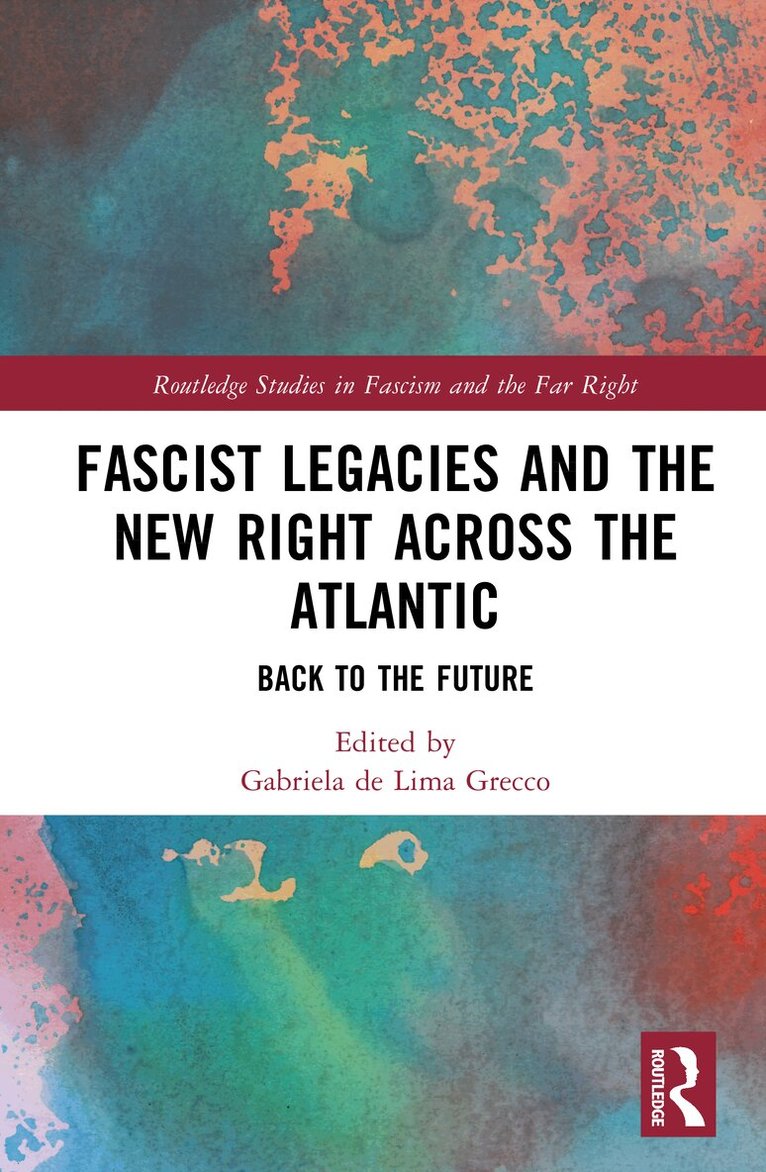
Fascist Legacies and the New Right Across the Atlantic
Back to the Future
Inbunden, 2025
2578 kr
Lägg i varukorg
This volume analyzes the historical continuities and transformations of fascist movements across Ibero-America, Europe, and the United States from the twentieth century to the twenty-first century.By examining political ideologies, networks, and transnational influences, the chapters explore how …
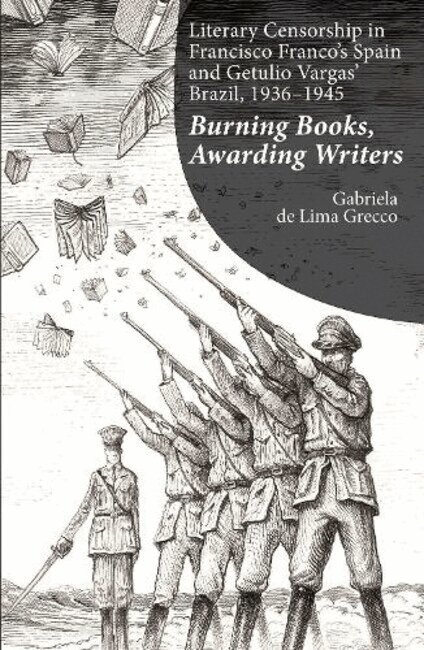
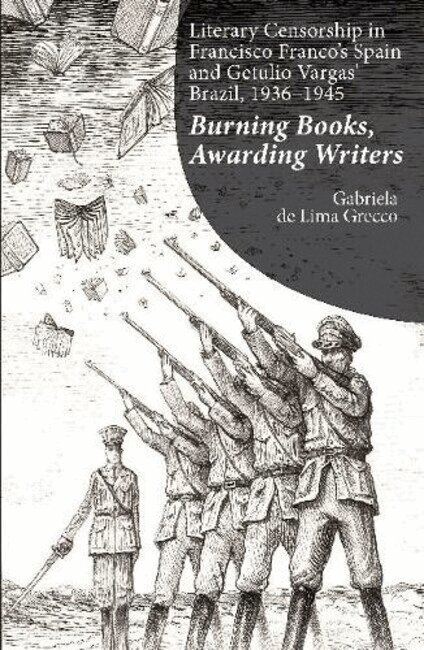
Literary Censorship in Francisco Franco's Spain and Getulio Vargas' Brazil, 1936-1945
Burning Books, Awarding Writers
Häftad, 2021
672 kr
Lägg i varukorg
This book presents two systems of censorship and literary promotion, revealing how literature can be molded to support authoritarian regimes. The issue is complex in that at a descriptive level the strategies and methods "new states" use to control communication through the written word can be …
Literary Censorship in Francisco Franco's Spain and Getulio Vargas' Brazil, 1936-1945
Burning Books, Awarding Writers
Inbunden, 2020
2180 kr
Lägg i varukorg
This book presents two systems of censorship and literary promotion, revealing how literature can be molded to support authoritarian regimes. The issue is complex in that at a descriptive level the strategies and methods new states use to control communication through the written word can be judged …
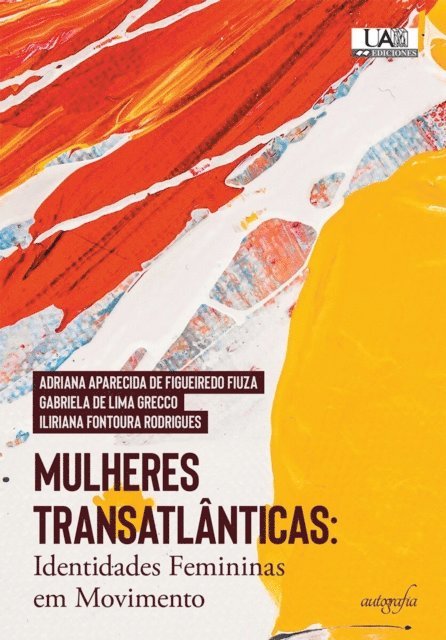
Mulheres transatlânticas
Identidades femininas em movimento
Av Iliriana Fontoura Rodrigues, Gabriela de Lima Grecco m. fl.
E-bok, 2021
59 kr
Lägg i varukorg
As mulheres apresentadas neste livro têm diferentes origens, nacionalidades diferentes origens, nacionalidades, raças, classes sociais ou ideologias. classes ou ideologias. Mulheres negras cuja ancestral diáspora cuja cultura diáspora ancestral moldou as suas identidades, construídos sob …
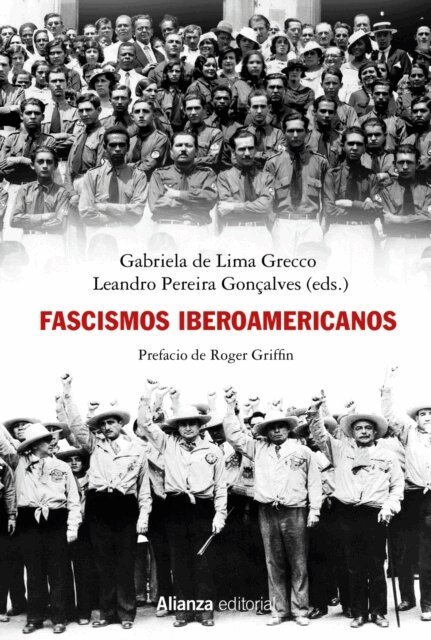
Fascismos iberoamericanos
Av Leandro Pereira Goncalves, Gabriela de Lima Grecco
E-bok, 2022
179 kr
Lägg i varukorg
¿Fue el fascismo un movimiento específicamente europeo del período de entreguerras o se produjeron movimientos similares en otros continentes y no sólo antes de la Segunda Guerra Mundial? Gabriela de Lima Grecco y Leandro Pereira Gonçalves han coordinado Fascismos iberoamericanos en el que se …