Gabriela Kütting – författare
2 320 kr
Skickas inom 10-15 vardagar
773 kr
Skickas inom 10-15 vardagar
2 252 kr
Skickas inom 10-15 vardagar
695 kr
Skickas inom 10-15 vardagar
2 182 kr
Skickas inom 10-15 vardagar
746 kr
Läs direkt efter köp
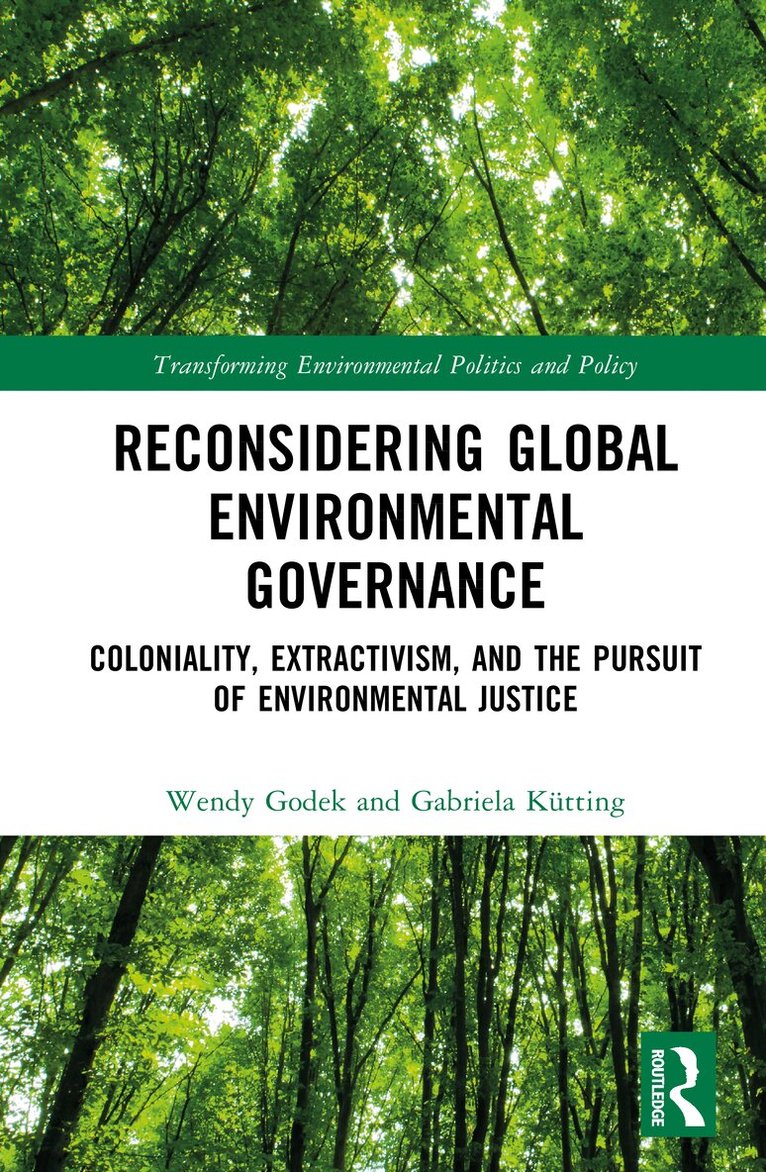
Reconsidering Global Environmental Governance: Coloniality, Extractivism, and the Pursuit of Environmental Justice employs the concept of coloniality to examine the relationship between global environmental governance and environmental justice.
Global environmental governance is perceived to be the natural solution for global environmental problems; however, its liberal emphasis reproduces colonial hierarchies at the expense of marginalized groups in the Global North and South alike. To develop this argument, this book draws on case studies that elucidate multiple expressions of coloniality in instances of socio-environmental conflict. With a focus on extractivism, the authors explore case studies in Greece and Honduras to illustrate the impact of existing global environmental governance institutions on marginalized groups and local communities, as well as case studies of gender and multispecies justice to highlight the opportunities and limitations of efforts to challenge liberal governance institutions and provide new pathways for enhancing environmental justice.
Overall, the book aims to initiate a debate on how to decolonize global environmental politics and will be of particular interest to teachers, researchers, and students of environmental studies, global governance, development studies, political ecology, international political economy, and critical theory, as well as policymakers and civil society specialists.
746 kr
Läs direkt efter köp
Reconsidering Global Environmental Governance: Coloniality, Extractivism, and the Pursuit of Environmental Justice employs the concept of coloniality to examine the relationship between global environmental governance and environmental justice.
Global environmental governance is perceived to be the natural solution for global environmental problems; however, its liberal emphasis reproduces colonial hierarchies at the expense of marginalized groups in the Global North and South alike. To develop this argument, this book draws on case studies that elucidate multiple expressions of coloniality in instances of socio-environmental conflict. With a focus on extractivism, the authors explore case studies in Greece and Honduras to illustrate the impact of existing global environmental governance institutions on marginalized groups and local communities, as well as case studies of gender and multispecies justice to highlight the opportunities and limitations of efforts to challenge liberal governance institutions and provide new pathways for enhancing environmental justice.
Overall, the book aims to initiate a debate on how to decolonize global environmental politics and will be of particular interest to teachers, researchers, and students of environmental studies, global governance, development studies, political ecology, international political economy, and critical theory, as well as policymakers and civil society specialists.
860 kr
Läs direkt efter köp
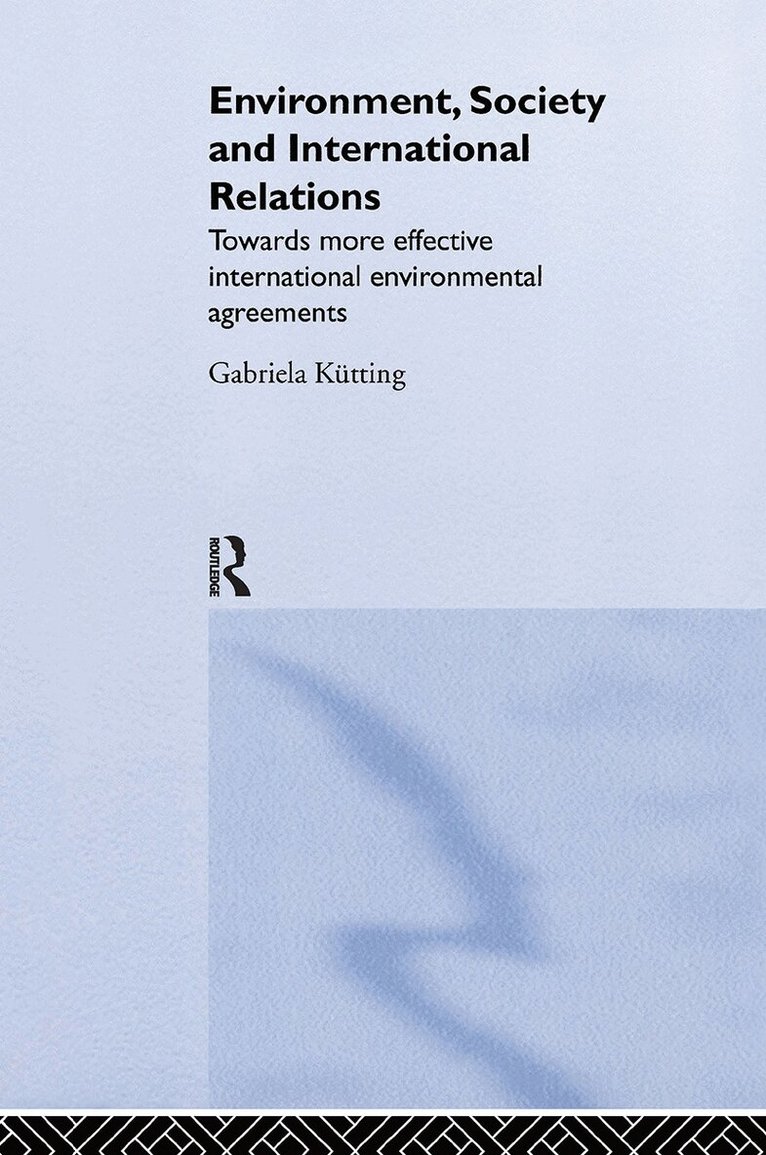
Written in an accessible and lively style, this ground-breaking text marries a critique of current remedies towards environmental problems to original and viable alternatives. This text adopts an eco-centric rather than a traditional environmental management perspective to focuses on the key issues such as: * The effectiveness of international agreements in solving environmental problems * the role of the structures and constraints within which these agreements operate
860 kr
Läs direkt efter köp
Written in an accessible and lively style, this ground-breaking text marries a critique of current remedies towards environmental problems to original and viable alternatives. This text adopts an eco-centric rather than a traditional environmental management perspective to focuses on the key issues such as: * The effectiveness of international agreements in solving environmental problems * the role of the structures and constraints within which these agreements operate
802 kr
Läs direkt efter köp
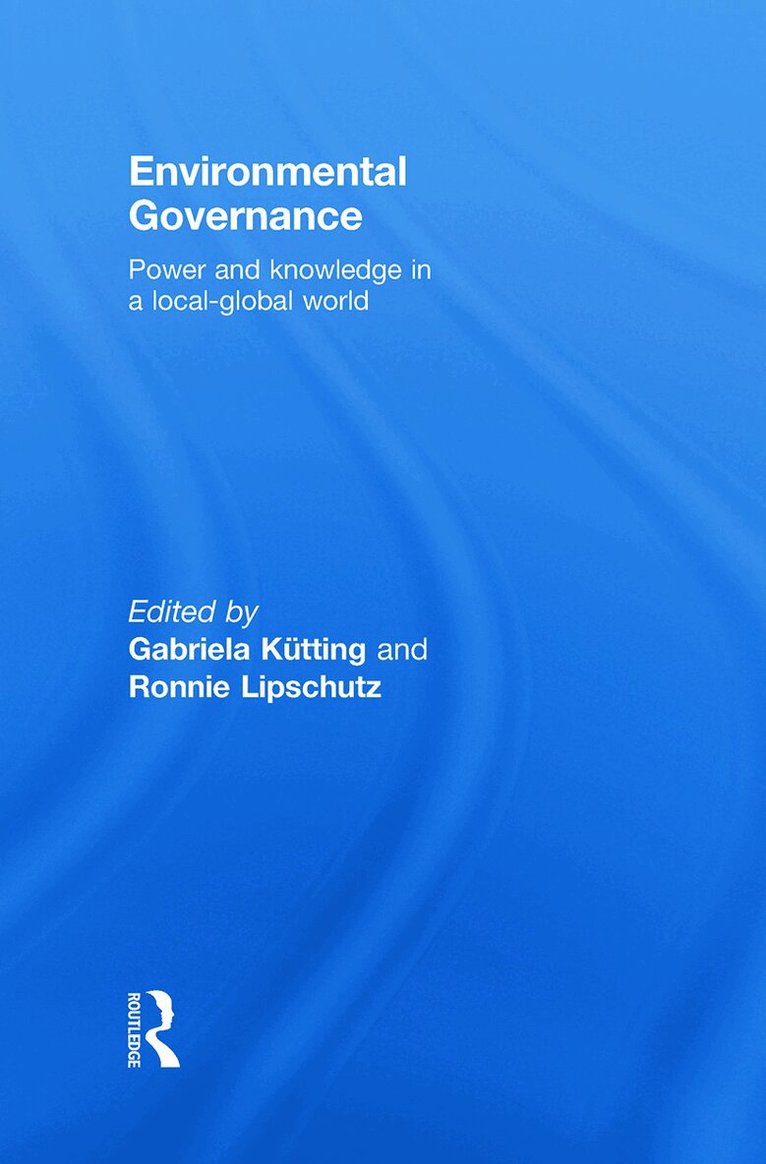
This edited collection makes a highly significant critical contribution to the field of environmental politics. It argues that the international-level, institutionalist approach to global environmental politics has run its course, employed solely by powerful actors in order to orchestrate and manipulate local communities within a continuing hegemonic system.
The outstanding international line-up of contributors to this volume explore the real advances that are being made in the areas were the local and global intersect and how power fits into the equation. They explore the relationship between governance, power and knowledge, using power as the main analytical tool.
The contributors adopt a variety of approaches and perspectives – some starting from the local level and shifting upward to the global, and some using a global perspective that narrows down to the local. Some chapters explore specific case studies and others employ a more conceptual framework – but all of them bring a new dimension to the relationship between power and knowledge in environmental governance. Power here is explored in all its guises – from relational to structural power.
An important and timely exploration of a topic at the forefront of global debate, Environmental Governance is essential reading for all students of global environmental politics, international political economy and international relations.
795 kr
Läs direkt efter köp
This edited collection makes a highly significant critical contribution to the field of environmental politics. It argues that the international-level, institutionalist approach to global environmental politics has run its course, employed solely by powerful actors in order to orchestrate and manipulate local communities within a continuing hegemonic system.
The outstanding international line-up of contributors to this volume explore the real advances that are being made in the areas were the local and global intersect and how power fits into the equation. They explore the relationship between governance, power and knowledge, using power as the main analytical tool.
The contributors adopt a variety of approaches and perspectives – some starting from the local level and shifting upward to the global, and some using a global perspective that narrows down to the local. Some chapters explore specific case studies and others employ a more conceptual framework – but all of them bring a new dimension to the relationship between power and knowledge in environmental governance. Power here is explored in all its guises – from relational to structural power.
An important and timely exploration of a topic at the forefront of global debate, Environmental Governance is essential reading for all students of global environmental politics, international political economy and international relations.
2 182 kr
Skickas inom 10-15 vardagar
582 kr
Skickas inom 10-15 vardagar
665 kr
Läs direkt efter köp
665 kr
Läs direkt efter köp
1 042 kr
Tillfälligt slut
370 kr
Tillfälligt slut