Gabrielle M. Maxwell – författare
Visar alla böcker från författaren Gabrielle M. Maxwell. Handla med fri frakt och snabb leverans.
4 produkter
4 produkter
560 kr
Skickas inom 3-6 vardagar
Häftad, Engelska
432 kr
Skickas inom 3-6 vardagar
E-bok
PDF, Engelska, 2010682 kr
Läs direkt efter köp
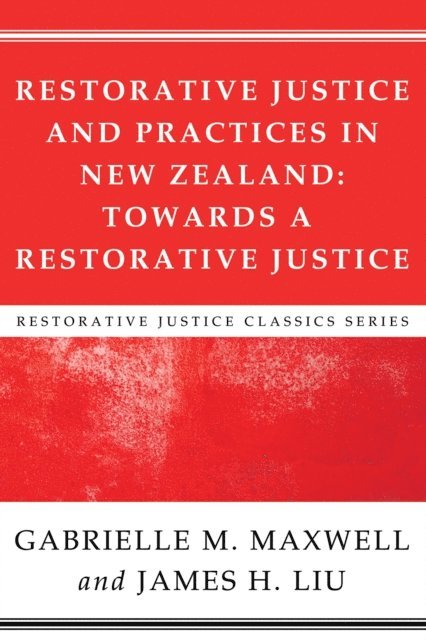
The quest for justice has been a powerful driving force in all human societies. In recent times, the notion of restorative justice has gained currency. To achieve restorative justice all those affected by a crime must be involved in finding a solution--one that repairs the harm and restores the broken relationships. This means striving to rebuild the damaged lives not only of those who have sufferd but also of those who have caused suffering to others. It means that healing of hurts, the reconciliation of offenders and victims, and the eventual reintegration into the community of those who have offended, as responsible and productive members of society. This is no easy task. But it is vital to building a cohesive, inclusive, and fair society. Moreover, restorative practices need not be limited to the criminal justice arena. They are equally applicable in other fields of human endeavour where people have been harmed and where the restoration of broken relationships is needed. This book provides an account of how restorative processes and practices are being applied in New Zealand in the justice system, education, civil disputes, and governmental responses to historical wrongs. It will be a valuable source of ideas and inspiration for all those who are seeking to build a more restorative society.
E-bok
PDF, Engelska, 2010487 kr
Läs direkt efter köp
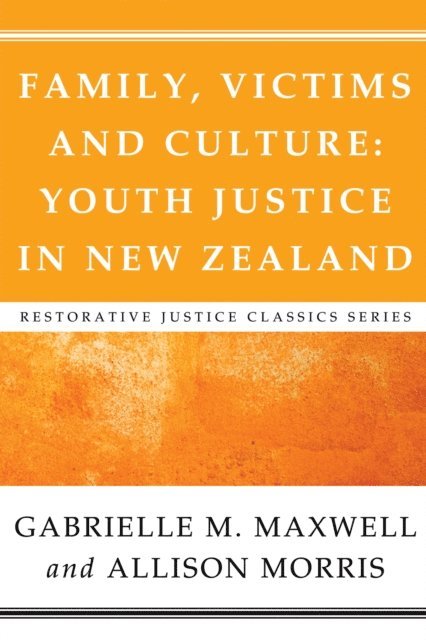
The concept of restorative justice was in its infancy when New Zealand introduced Family Group Conferences as a way of responding to young people who offend. This novel approach is now recognized as the first practical example of a restorative justice process for decision-making in a Western criminal justice system. The research study reported here observed 200 family group conferences in 1990 and interviewed the families, victims, and young people who participated in them. The findings show that giving young people, families, and victims the opportunity to decide on how best to heal the harm and restore the lives of those involved can work in ways that was never possible in the traditional justice system.