Gail Harland - Böcker
Visar alla böcker från författaren Gail Harland. Handla med fri frakt och snabb leverans.
7 produkter
7 produkter
208 kr
Skickas
A practical and attractive guide to the many edible varieties of wild plant that grow all around us.Whether you think of them as pretty wildflowers or troublesome weeds, wild plants are invaluable for wildlife. Not only are they an essential habitat and nectar source for insects, they are also beneficial for the soil, accumulating trace elements and acting as hosts for mycorrhizal fungi. Wild plants can be also be included in a variety of tasty recipes as unusual and flavoursome culinary ingredients.Written by qualified dietician and horticulturalist, Gail Garland, Foraging for Edible Wild Plants describes more than 50 edible species, from common species, such as nettle, dandelion, chickweed and ground elder, to the less well-known brooklime and wintercress. Gail also shares advice on how to identify wild plants that are harmful to eat, as well as tips on controlling invasive species such as knotweed .The guide is beautifully designed with illustrated notes on appearance and habitat, and attractive colour photographs throughout. It includes numerous recipe suggestions for jams, cordials, pesto, salads and soups, and nutritional information. There are also tips for non-culinary activities, such as making dyes from nettles and soap from soapwort, and fascinating historical facts about wild plants throughout.Foraging for Edible Wild Plants is a charming resource, perfect for gardeners, botanists, cooks and foragers.
197 kr
Skickas
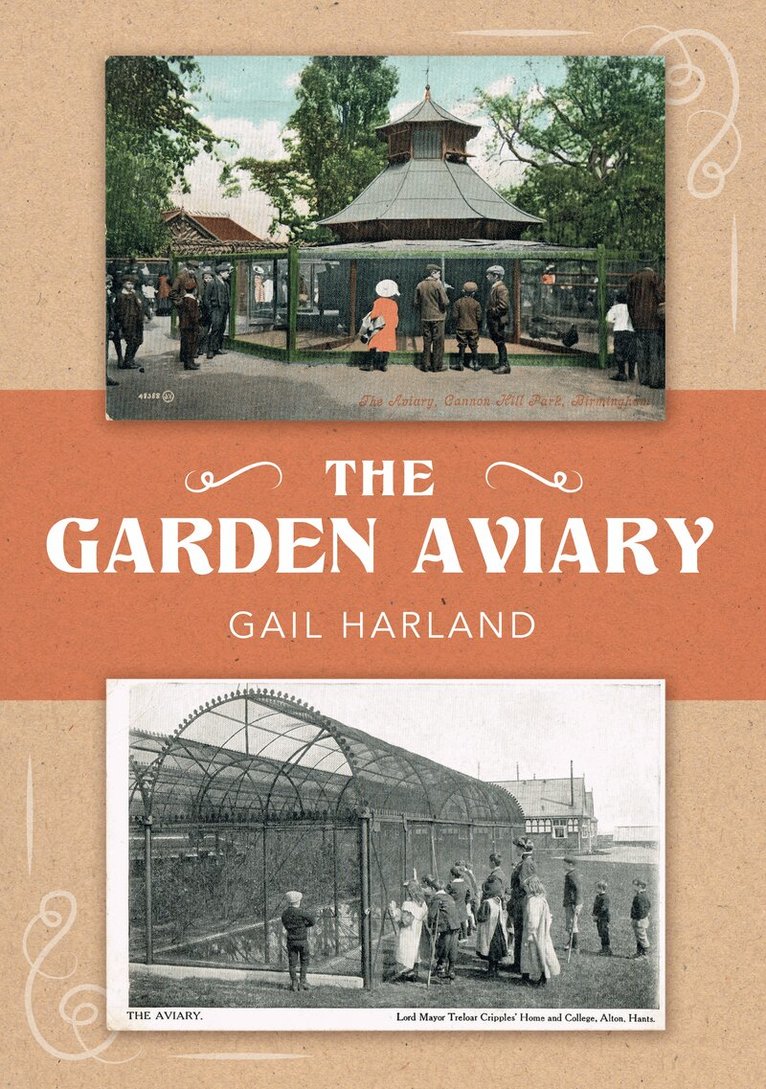
Julius Caesar said that Britons ‘thought it wrong to partake of hare, cockerel, or geese, but they keep these instead for reasons of affection and pleasure’.Throughout our history we have certainly admired birds and envied their brilliant plumage and ability to fly and we have a long and ongoing history of keeping all manner of birds for their beauty and companionship. The Garden Aviary shines a spotlight on the aviaries of private gardens and public parks. It will appeal to those interested in the social and cultural history of bird keeping or the history of garden buildings.Illustrated with examples of aviaries both grand and humble, this is an exploration of the garden aviary built as status symbol or as a tool for conservation and the preservation of genetic diversity, but primarily, as Caesar thought, for reasons of affection and pleasure.
173 kr
Skickas
Canadian author Margaret Atwood said in her work Two-Headed Poems, ‘This is the rock garden. In it, the stones too are flowers’, exemplifying the attraction that a rock garden holds for many people. Rock gardens appeal not just to plant enthusiasts but also to those with an interest in geology. A successful rock garden depends on skilful use of stone to create an aesthetically pleasing design, as well as a suitable habitat for plants.This lavishly illustrated book explores the history of the creation and design of rock gardens, as well as their place in society.
173 kr
Skickas
Trees have been described as ‘the lungs of the planet’ because of their ability to absorb carbon dioxide from the atmosphere and release oxygen. They are valued for the many useful products they can provide including timber, resins, fruits and nuts. However, many people feel a strong connection to trees which goes beyond considerations of their ecological and economic importance. Trees have featured in the ancient mythologies of mankind and continue to have an emotional resonance for us today.Gail Harland looks at the development and social history of tree collections, from that of the female pharaoh Hatshepsut of Egypt, who imported incense trees from the land of Punt, to those of the early public parks of the nineteenth century as well as private collections. Illustrated with vintage postcards, paintings and photographs showing examples of arboreta in the United Kingdom and beyond, this book is a celebration of the majesty of trees and the joy they can bring us.
178 kr
Skickas
With their delicate green and white blooms, snowdrops may seem fragile, yet they possess remarkable resilience. Treasured by gardeners for their ability to bloom early in the year, they also hold significance beyond the horticultural world. From Victorian Britain, where snowdrop bands promoted chastity, to their adoption as symbols by charitable organizations today, their cultural impact is far-reaching, symbolizing purity, hope and solace. Snowdrops have long been depicted in art, poetry and prose, and they offer medicinal properties as a source of galantamine, used in Alzheimer’s treatment. Now available in paperback, Snowdrop is the ideal companion for anyone interested in the emotional and cultural aspects of these much-loved plants.
223 kr
Kommande
202 kr
Skickas inom 7-10 vardagar
People have always loved flowers, and peonies are among the most highly regarded, with petals of the finest silk and often a distinctive perfume. Their large, flamboyantly coloured blooms are attractive and photogenic, ideal for celebrations. Beyond the flowers, the colourful new shoots, described by landscape gardener Gertrude Jekyll as ‘dear rosy snouts’, add value and interest to any garden. Peonies appear in the art and literature of China, Korea, Japan, the classical Mediterranean and medieval Europe. Charles Darwin, as a child, was sent to count the peonies in his family garden, his first exercise in scientific data collection. Superbly illustrated, and covering cultural as well as botanical aspects, this book is an ideal companion for plant lovers wanting to learn more about this fascinating flower.