Gaim Kibreab - Böcker
Visar alla böcker från författaren Gaim Kibreab. Handla med fri frakt och snabb leverans.
4 produkter
4 produkter
People on the Edge in the Horn
Displacement, Land Use and the Environment in the Gedaref Region, Sudan
Häftad, Engelska, 1996
338 kr
Skickas inom 10-15 vardagar
The author provides evidence to question many common assumptions about land degradation.What impact do displaced people and refugees have on the place where they eke out a living from resources under pressure? Gaim Kibreab questions the degree of impact on land degradation by war-displaced Eritreans on the Gedaref region of the Sudan. Was land degradation on and around the scheme really due to humans and their livestock?North America: Africa World Press/Red Sea Press
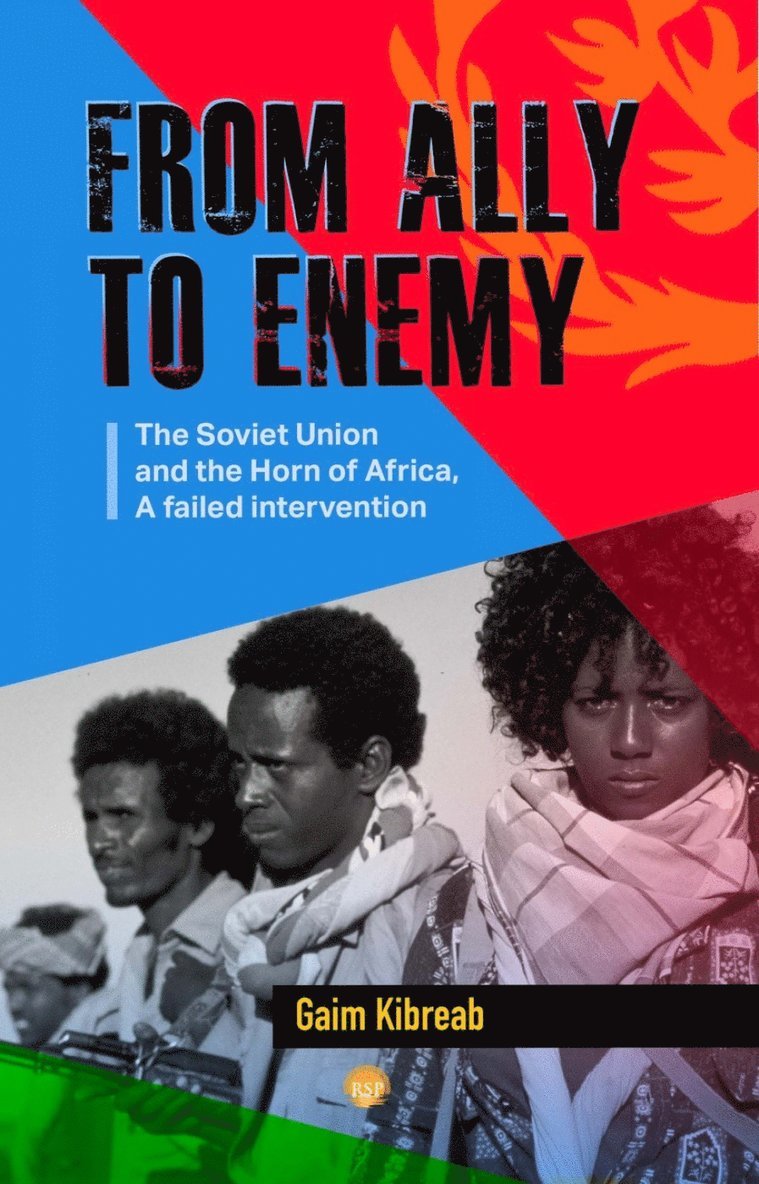
From Ally to Enemy
The Soviet Union and the Horn of Africa, A Failed Intervention
Häftad, Engelska, 2021
317 kr
Skickas inom 7-10 vardagar
Del 26 - Eastern Africa Series
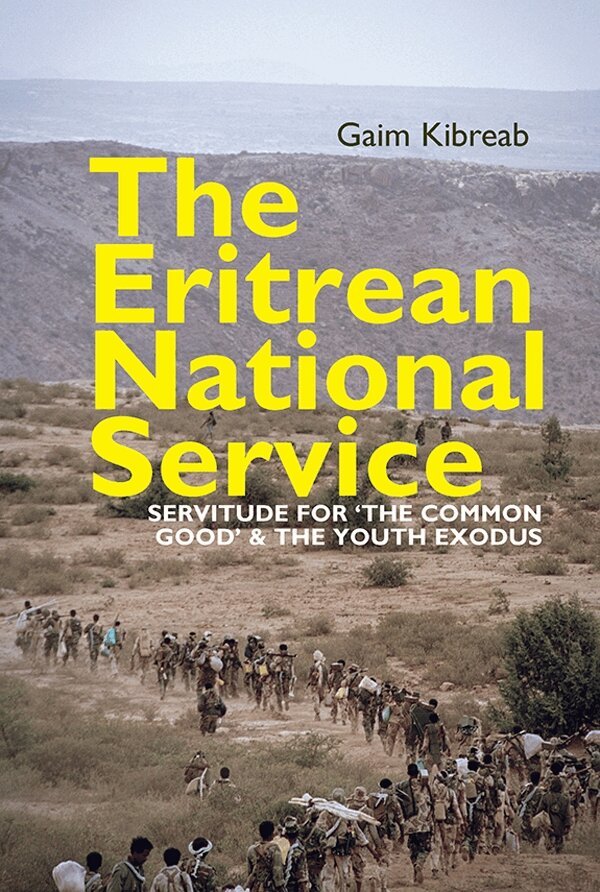
Eritrean National Service
Servitude for "the common good" and the Youth Exodus
Inbunden, Engelska, 2017
1 035 kr
Skickas inom 7-10 vardagar
Gives voice to the conscripts who are forced to serve indefinitely without remuneration under the ENS in a powerful critical survey of its effect from the Liberation Struggle to today.The Eritrean National Service (ENS) lies at the core of the post-independence state, not only supplying its military, but affecting every aspect of the country's economy, its social services, its public sector and its politics. Over half the workforce are forcibly enrolled into it by the government, driving the country's youth to escape national service by seeking employment and asylum elsewhere. Yet how did the ENS, which began during the 1961-91 liberation struggle as part of the idea of the "common good" - in which individual interests were sacrificed in pursuit of the grand scheme of independence and the country's development - degenerate into forced labour and a modern form ofslavery? And why, when Eritrea no longer faces existential threat, does the government continue to demand such service from its citizens?This book provides for the first time an in-depth and critical scrutiny of the ENS'sachievements and failures and its overarching impact on the social fabric of Eritrea. The author discusses the historical backdrop to the ENS and the rationales underlying it; its goals and objectives; its transformative effects,as well as its impact on the country's defence capability, national unity, national identity construction and nation-building. He also analyses the extent to which the national service functions as an effective mechanism of transmitting the core values of the liberation struggle to the conscripts and through them to the rest of country's population. Finally, the book assesses whether the core aims and objectives of the ENS proclaimed by various governmentshave been or are in the process of being accomplished and, drawing on the testimony of the hitherto voiceless conscripts themselves, its impact on their lives and livelihoods.GAIM KIBREAB is Professor of Research andDirector of Refugee Studies, School of Law and Social Science, London South Bank University. He is the author of Eritrea: A Dream Deferred (James Currey, 2009) and People on the Edge in the Horn (James Currey, 1996).
Del 26 - Eastern Africa Series
Eritrean National Service
Servitude for "the common good" and the Youth Exodus
Häftad, Engelska, 2022
276 kr
Skickas inom 7-10 vardagar
Gives voice to the conscripts who are forced to serve indefinitely without remuneration under the ENS in a powerful critical survey of its effect from the Liberation Struggle to today.The Eritrean National Service (ENS) lies at the core of the post-independence state, not only supplying its military, but affecting every aspect of the country's economy, its social services, its public sector and its politics. Over half the workforce are forcibly enrolled into it by the government, driving the country's youth to escape national service by seeking employment and asylum elsewhere. Yet how did the ENS, which began during the 1961-91 liberation struggle as part of the idea of the "common good" - in which individual interests were sacrificed in pursuit of the grand scheme of independence and the country's development - degenerate into forced labour and a modern form ofslavery? And why, when Eritrea no longer faces existential threat, does the government continue to demand such service from its citizens?This book provides for the first time an in-depth and critical scrutiny of the ENS'sachievements and failures and its overarching impact on the social fabric of Eritrea. The author discusses the historical backdrop to the ENS and the rationales underlying it; its goals and objectives; its transformative effects,as well as its impact on the country's defence capability, national unity, national identity construction and nation-building. He also analyses the extent to which the national service functions as an effective mechanism of transmitting the core values of the liberation struggle to the conscripts and through them to the rest of country's population. Finally, the book assesses whether the core aims and objectives of the ENS proclaimed by various governmentshave been or are in the process of being accomplished and, drawing on the testimony of the hitherto voiceless conscripts themselves, its impact on their lives and livelihoods.