Galit Noga-Banai – författare
Visar alla böcker från författaren Galit Noga-Banai. Handla med fri frakt och snabb leverans.
6 produkter
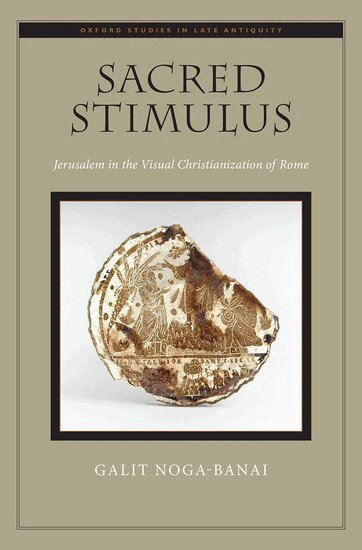
Sacred Stimulus
Jerusalem in the Visual Christianization of Rome
Inbunden, 2018
1191 kr
Lägg i varukorg
Sacred Stimulus offers a thorough exploration of Jerusalem's role in the formation and formulation of Christian art in Rome during the fourth and fifth centuries. The visual vocabulary discussed by Galit Noga-Banai gives an alternative access point to the mnemonic efforts conceived while Rome …
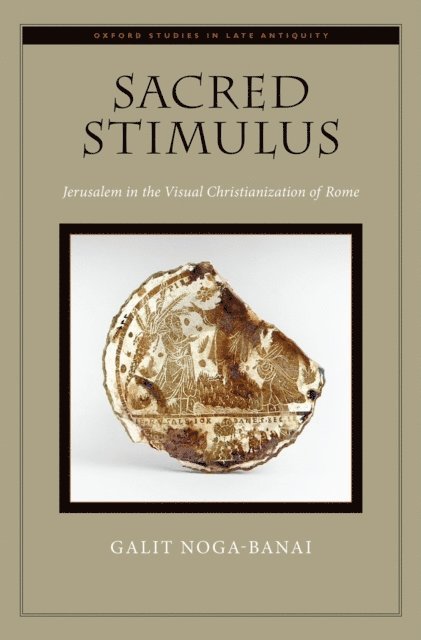
Sacred Stimulus
Jerusalem in the Visual Christianization of Rome
E-bok, 2018
1027 kr
Lägg i varukorg
Sacred Stimulus offers a thorough exploration of Jerusalem''s role in the formation and formulation of Christian art in Rome during the fourth and fifth centuries. The visual vocabulary discussed by Galit Noga-Banai gives an alternative access point to the mnemonic efforts conceived while Rome …
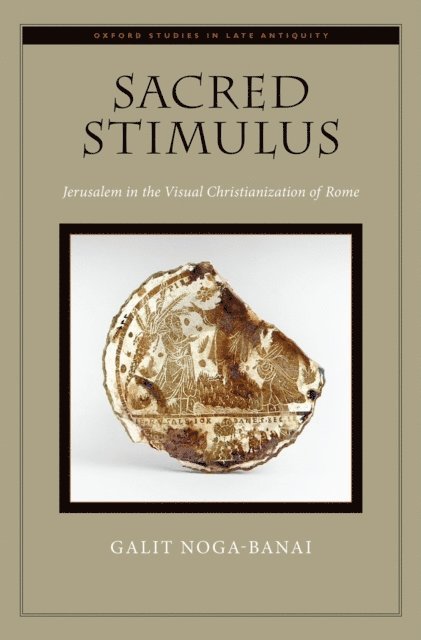
Sacred Stimulus
Jerusalem in the Visual Christianization of Rome
E-bok, 2018
1027 kr
Lägg i varukorg
Sacred Stimulus offers a thorough exploration of Jerusalem''s role in the formation and formulation of Christian art in Rome during the fourth and fifth centuries. The visual vocabulary discussed by Galit Noga-Banai gives an alternative access point to the mnemonic efforts conceived while Rome …
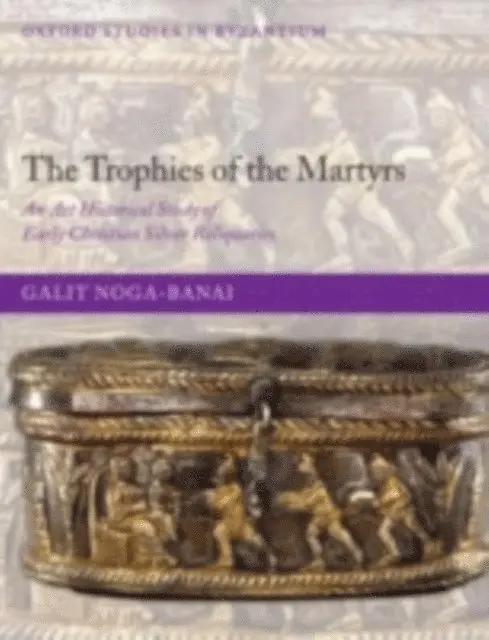
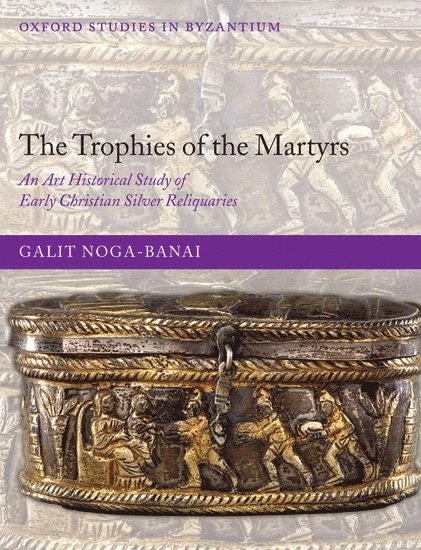
Trophies of the Martyrs
An Art Historical Study of Early Christian Silver Reliquaries
E-bok, 2008
2549 kr
Lägg i varukorg
In this pioneering study, the first of its kind, Galit Noga-Banai analyses silver reliquaries decorated with Christian figurative themes. She offers a clearer and more detailed picture of the beginnings of the cult of relics, which were an essential asset to the Church in its establishment of …
The Trophies of the Martyrs
An Art Historical Study of Early Christian Silver Reliquaries
Inbunden, 2008
3429 kr
Lägg i varukorg
In this pioneering study, the first of its kind, Galit Noga-Banai analyses silver reliquaries decorated with Christian figurative themes. She offers a clearer and more detailed picture of the beginnings of the cult of relics, which were an essential asset to the Church in its establishment of …
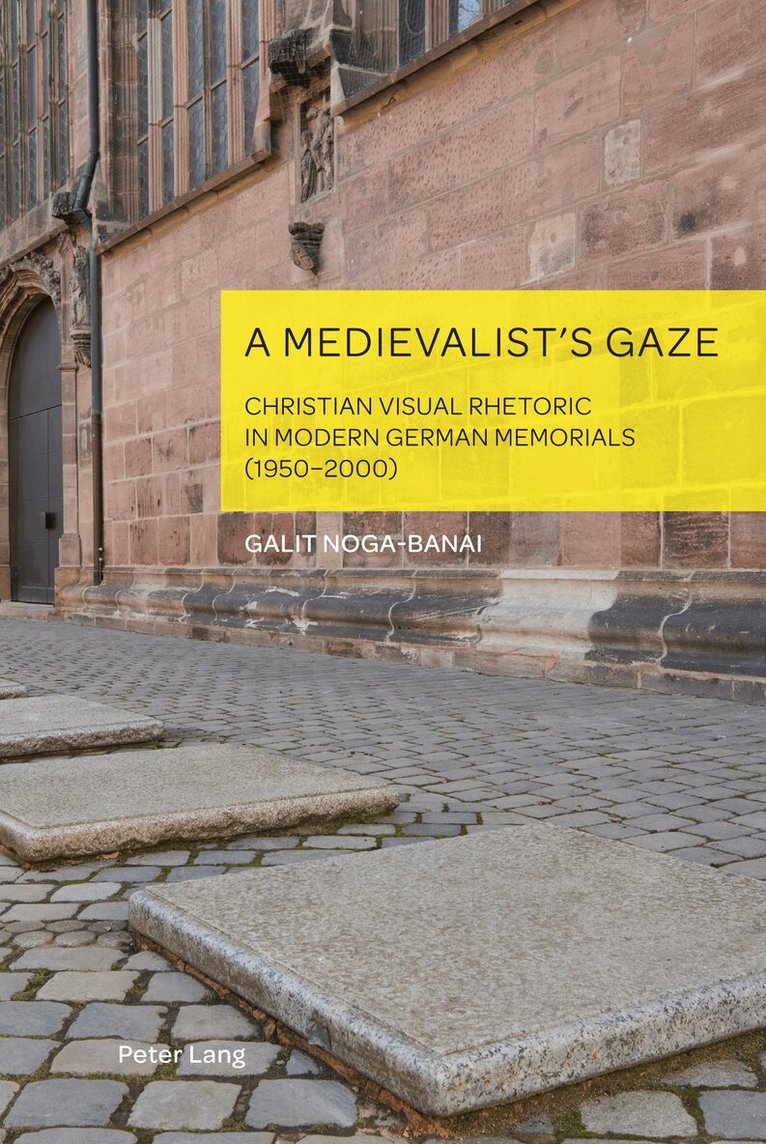
Medievalist’s Gaze
Christian Visual Rhetoric in Modern German Memorials (1950–2000)
Inbunden, 2021
914 kr
Lägg i varukorg
«This book makes a strong case that memorials are embedded in local visual and historical traditions. While its comprehensive and detailed references make it a must-read for specialists, it will appeal not only to the many specialists working on memory and memorials, but also to general audiences …