Gardiner H Shattuck - Böcker
Visar alla böcker från författaren Gardiner H Shattuck. Handla med fri frakt och snabb leverans.
2 produkter
2 produkter
497 kr
Skickas inom 3-6 vardagar
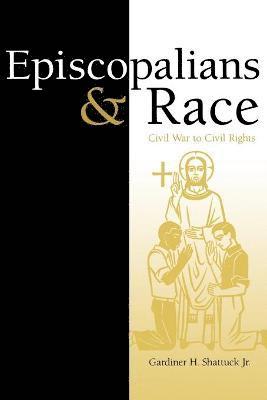
Meeting at an African American college in North Carolina in 1959, a group of black and white Episcopalians organized the Episcopal Society for Cultural and Racial Unity and pledged to oppose all distinctions based on race, ethnicity, and social class. They adopted a motto derived from Psalm 133: ""Behold, how good and joyful a thing it is, for brethren to dwell together in unity!"" Though the spiritual intentions of these individuals were positive, the reality of the association between blacks and whites in the church was much more complicated. Episcopalians and Race examines the often ambivalent relationship between black communities and the predominantly white leadership of the Episcopal Church since the Civil War. Paying special attention to the 1950s and 60s, Gardiner Shattuck analyzes the impact of the civil rights movement on church life, especially in southern states. He discusses the Church's lofty goals--exemplified by the Episcopal Society for Cultural and Racial Unity--and ignoble practices and attitudes, such as the failure to recognize the role of black clergy and laity within the denomination. The efforts of mainline Protestant denominations were critically important in the struggle for civil rights, and Episcopalians expended a great deal of time and resources in engaging in the quest for racial equality and strengthening the missionary outreach to African Americans in the South. Shattuck offers an insider's history of Episcopalians' efforts, both successful and unsuccessful, to come to terms with race and racism since the Civil War.
335 kr
Skickas inom 5-8 vardagar
The story of Episcopalians in America is the story of an influential denomination that has furnished a large share of the American political and cultural leadership. Beginning with the Episcopal Church's roots in sixteenth-century England, The Episcopalians offers a fresh account of its rise to prominence. Chronologically arranged, it traces the establishment of colonial Anglicanism in the New World through the birth of the Episcopal Church after the Revolution and its rise throughout the nineteenth century, ending with the complex array of forces that helped shape it in the 20th century and the consecration of Gene Robinson in 2003. The authors focus not only on the established leadership of the church but also to the experience of lay people, the form and function of sacred space, the evolution of church parties and theology, relations with other Christian communities, and the evolving ministries of women and minorities.