Garima Awasthi – författare
Visar alla böcker från författaren Garima Awasthi. Handla med fri frakt och snabb leverans.
10 produkter
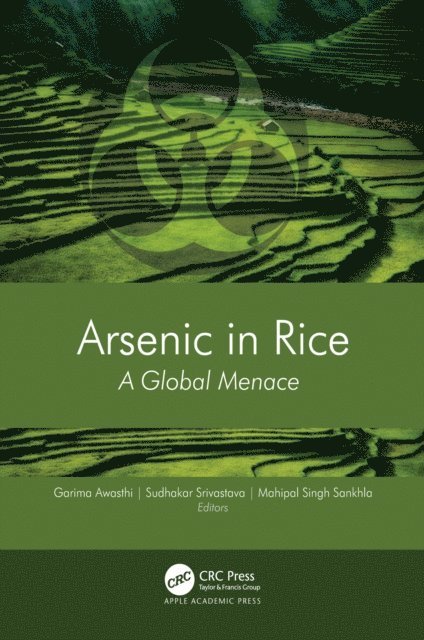
Arsenic in Rice
A Global Menace
Av Mahipal Singh Sankhla, Sudhakar Srivastava m. fl.
E-bok, 2024
2597 kr
Lägg i varukorg
Arsenic has been said to be one of the world’s most toxic elements, infiltrating the food chain and finding its way into foods. Studies have recently detected high levels of arsenic in rice, which is a major concern since rice is a staple food for a large part of the world’s population. This new …
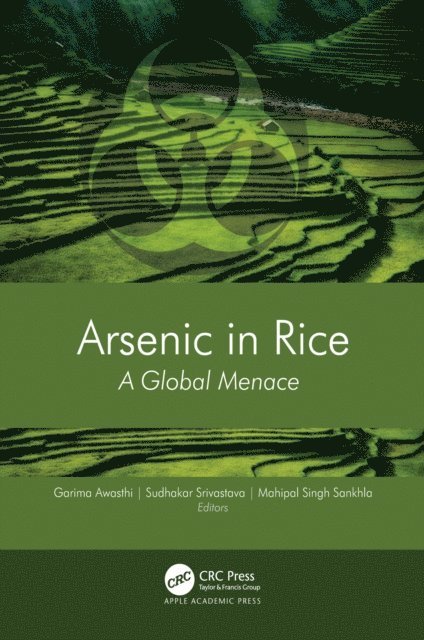
Arsenic in Rice
A Global Menace
Av Mahipal Singh Sankhla, Sudhakar Srivastava m. fl.
E-bok, 2024
2541 kr
Lägg i varukorg
Arsenic has been said to be one of the world’s most toxic elements, infiltrating the food chain and finding its way into foods. Studies have recently detected high levels of arsenic in rice, which is a major concern since rice is a staple food for a large part of the world’s population. This new …
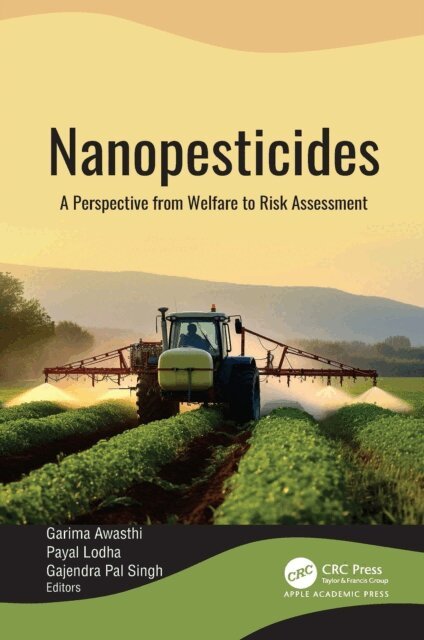
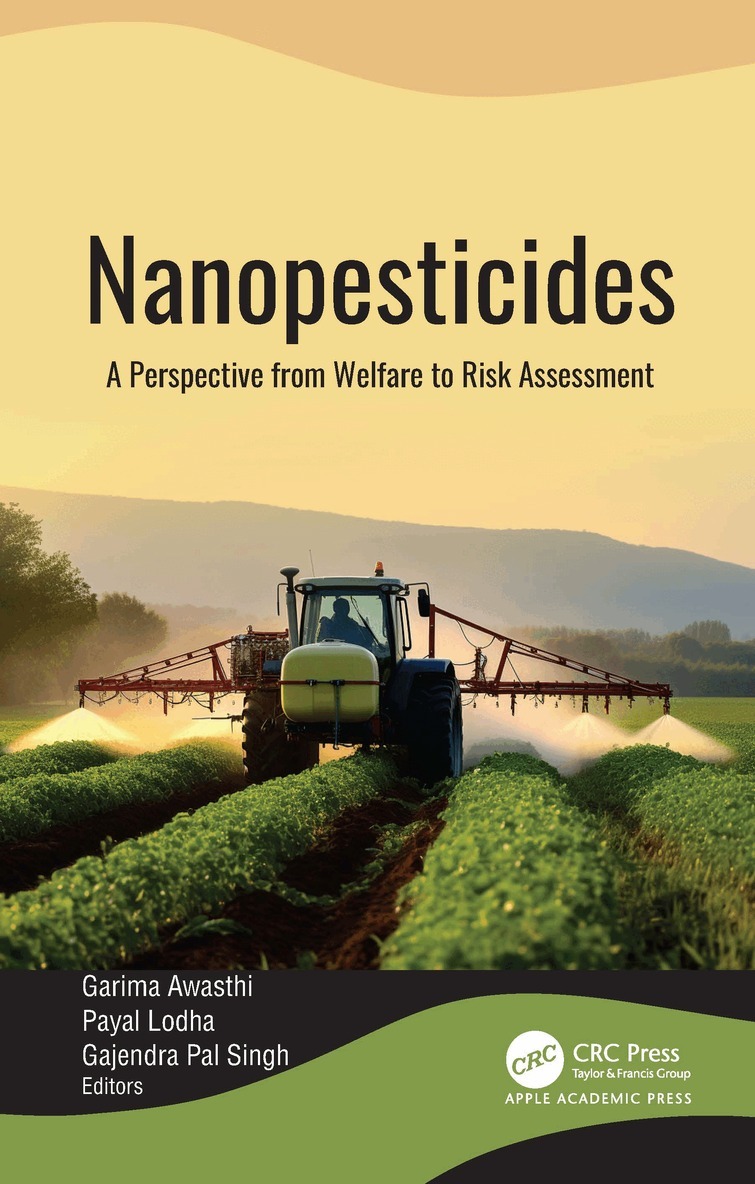
Nanopesticides
A Perspective from Welfare to Risk Assessment
Av Gajendra Pal Singh, Payal Lodha m. fl.
E-bok, 2026
2944 kr
Lägg i varukorg
This new volume is a thought-provoking and comprehensive overview of the emerging field of nanopesticides. The book takes a unique perspective that focuses on the impact of nanopesticides on human welfare as well as on the environment, including their potential benefits over conventional …
Nanopesticides
A Perspective from Welfare to Risk Assessment
Av Gajendra Pal Singh, Payal Lodha m. fl.
E-bok, 2026
2944 kr
Lägg i varukorg
This new volume is a thought-provoking and comprehensive overview of the emerging field of nanopesticides. The book takes a unique perspective that focuses on the impact of nanopesticides on human welfare as well as on the environment, including their potential benefits over conventional …
Environmental Toxicology
Av Mahipal Singh Sankhl, Kumud Kant Awasthi m. fl.
Inbunden, 2026
2546 kr
Kommande
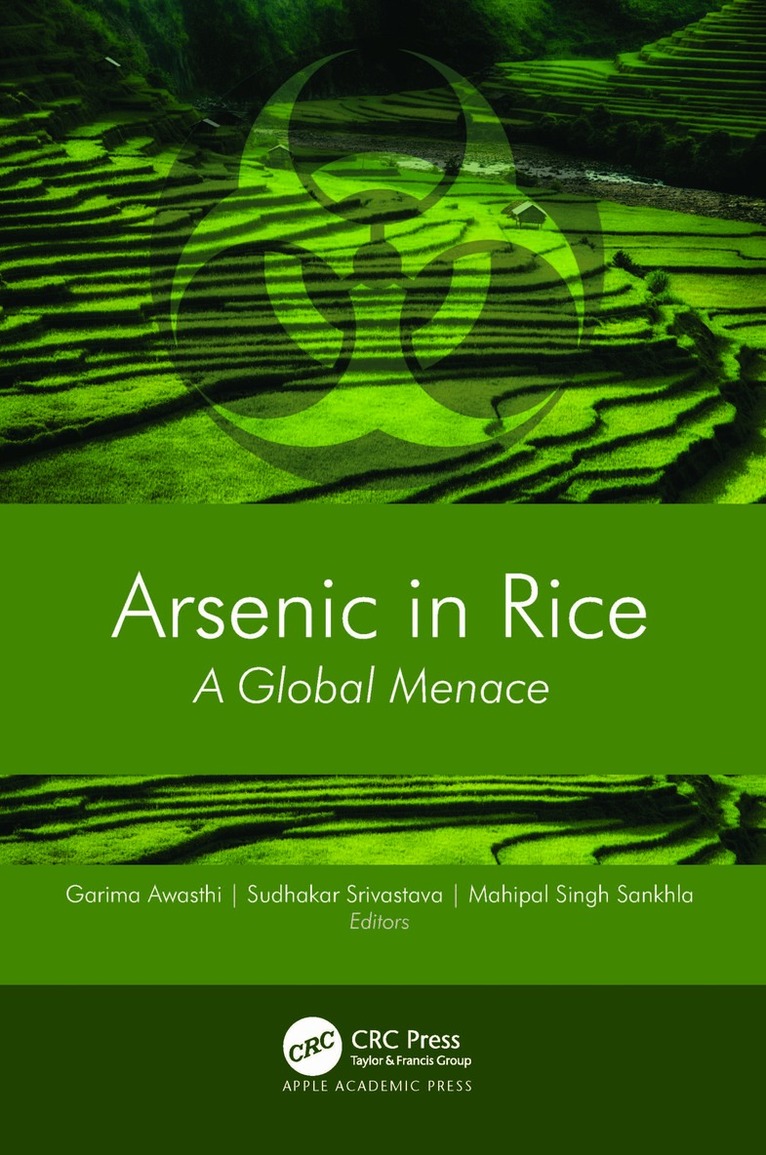
Arsenic in Rice
A Global Menace
Av Garima Awasthi, Sudhakar Srivastava m. fl.
Inbunden, 2024
2195 kr
Lägg i varukorg
Arsenic has been said to be one of the world’s most toxic elements, infiltrating the food chain and finding its way into foods. Studies have recently detected high levels of arsenic in rice, which is a major concern since rice is a staple food for a large part of the world’s population. This new …
Nanopesticides
A Perspective from Welfare to Risk Assessment
Av Garima Awasthi, Payal Lodha m. fl.
Inbunden, 2026
2486 kr
Lägg i varukorg
This new volume is a thought-provoking and comprehensive overview of the emerging field of nanopesticides. The book takes a unique perspective that focuses on the impact of nanopesticides on human welfare as well as on the environment, including their potential benefits over conventional …
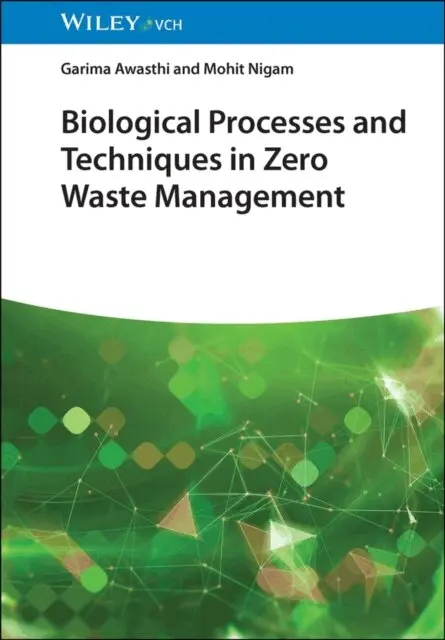
Biological Processes and Techniques in Zero Waste Management
Av Garima Awasthi, Mohit Nigam m. fl.
Inbunden, 2026
1741 kr
Lägg i varukorg
Biological processes and techniques for waste processing and management Biological Processes and Techniques in Zero Waste Management covers the many biological aspects that can be utilized for the treatment and management of waste generated from various industries to achieve zero waste. Diverse …
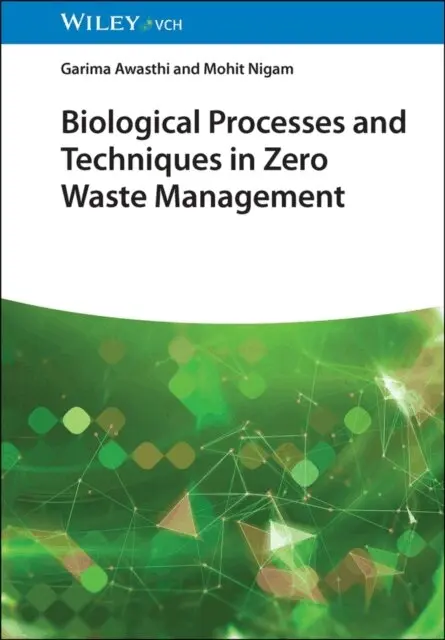
Biological Processes and Techniques in Zero Waste Management
Av Mohit Nigam, Garima Awasthi
E-bok, 2026
2037 kr
Lägg i varukorg
Biological processes and techniques for waste processing and management Biological Processes and Techniques in Zero Waste Management covers the many biological aspects that can be utilized for the treatment and management of waste generated from various industries to achieve zero waste. Diverse …
Biological Processes and Techniques in Zero Waste Management
Av Mohit Nigam, Garima Awasthi
E-bok, 2026
2037 kr
Lägg i varukorg
Biological processes and techniques for waste processing and management Biological Processes and Techniques in Zero Waste Management covers the many biological aspects that can be utilized for the treatment and management of waste generated from various industries to achieve zero waste. Diverse …