Garth L. Hallett – författare
Visar alla böcker från författaren Garth L. Hallett. Handla med fri frakt och snabb leverans.
12 produkter
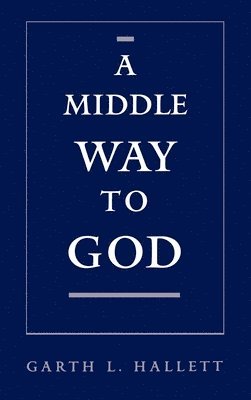
A Middle Way to God
Inbunden, 2000
1793 kr
Lägg i varukorg
Garth Hallett explores the thesis that if belief in other minds is rational and true (as it surely is), so too is belief in God. When appropriately restricted to a single, sound, other minds belief, his thesis -- that charts a 'middle way' between rival positions laid out by Alvin Plantinga and …
Middle Way to God
E-bok, 2000
990 kr
Lägg i varukorg
Charting a "middle way" between the extremes represented by Alvin Plantinga and Richard Swinburne, Garth Hallett explores the thesis that if belief in other minds is rational and true (as it surely is), so too is belief in God. He makes a strong case that when this parity claim is appropriately …
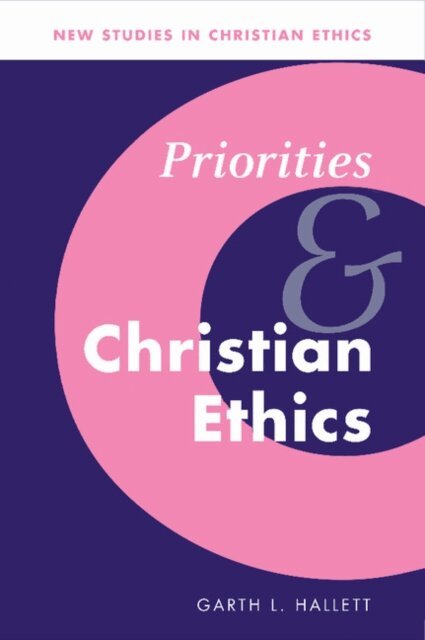
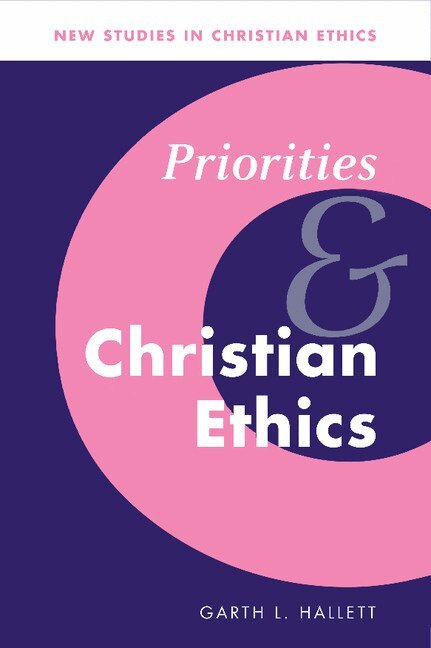
Priorities and Christian Ethics
Häftad, 2008
536 kr
Lägg i varukorg
This book provides a full treatment of an issue which is particularly pressing: when the claims of the nearest (e.g. parents, children, spouses, friends) conflict with the claims of the neediest, as they constantly do, where should preference go? Professor Hallett focuses first on a specific, …
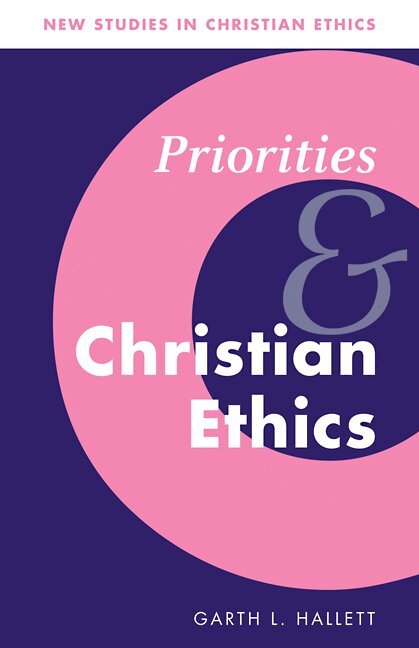
Priorities and Christian Ethics
Inbunden, 1998
1563 kr
Lägg i varukorg
This book provides a full treatment of an issue which is particularly pressing: when the claims of the nearest (e.g. parents, children, spouses, friends) conflict with the claims of the neediest, as they constantly do, where should preference go? Professor Hallett focuses first on a specific, …
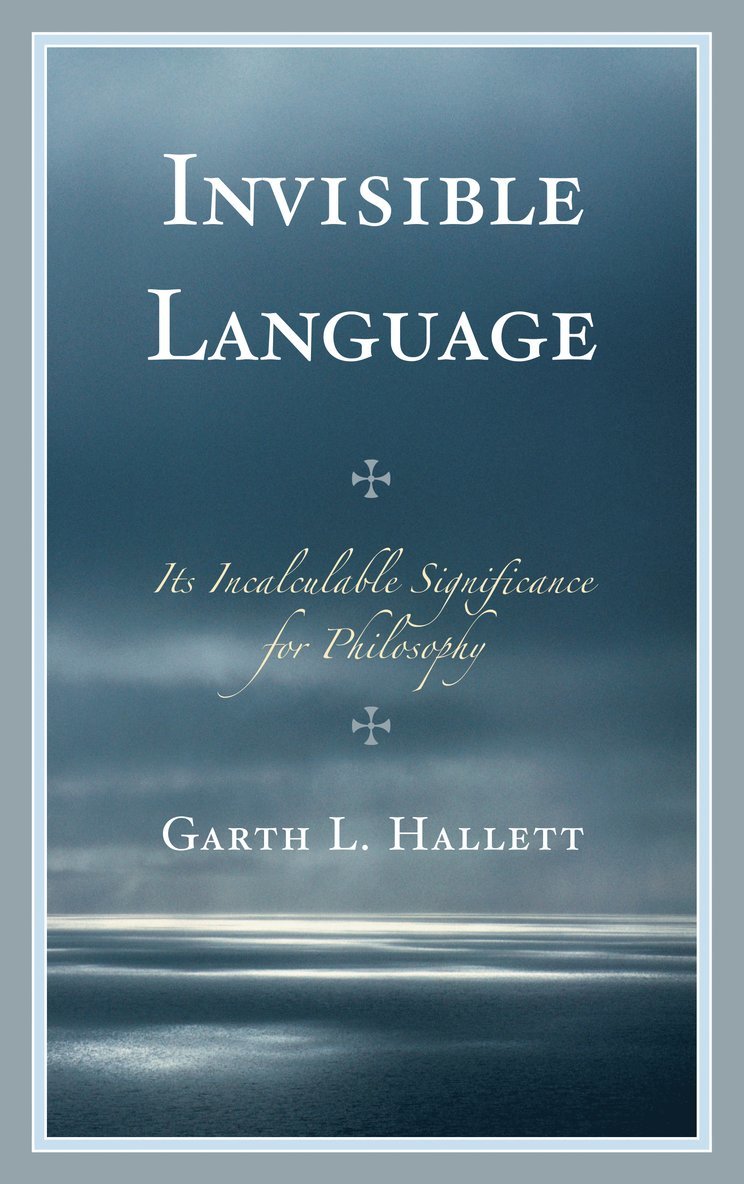
Invisible Language
Its Incalculable Significance for Philosophy
Inbunden, 2014
1561 kr
Lägg i varukorg
Invisible Language: Its Incalcuable Significance for Philosophy reveals that although the use of language is visible or audible, the medium employed boasts neither of these attributes. Garth L. Hallet suggests that from Plato until now, the intangibility of language has exercised a far more …
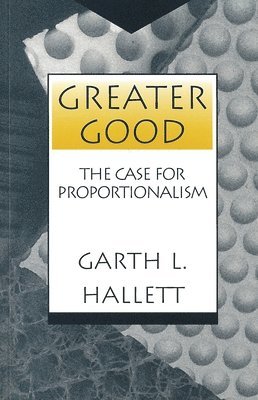
Greater Good
The Case for Proportionalism
Häftad, 1995
629 kr
Lägg i varukorg
In this title, Garth L. Hallett provides the first thorough, systematic exposition and defense of proportionalism in Christian ethics. Prominent in both philosophical and theological ethics, proportionalism judges the morality of acts by their proportion of good and evil. Hallett proposes judging …
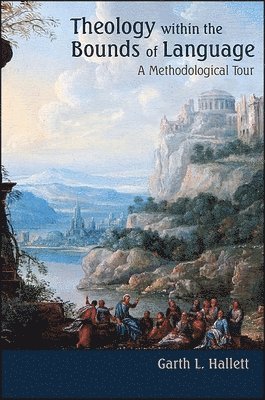
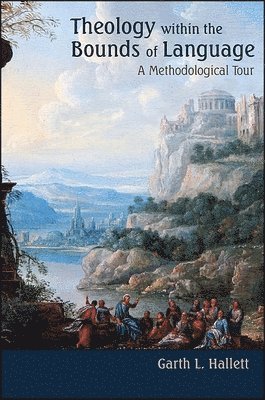
Theology within the Bounds of Language
A Methodological Tour
Häftad, 2012
453 kr
Lägg i varukorg
Explores the use of language in Christian theology.In this wide-ranging work, Garth L. Hallett offers a guided tour through fundamental issues regarding the use of language in theology. His preliminary discussions-on language and thought, language and truth, the authority of language, making sense, …
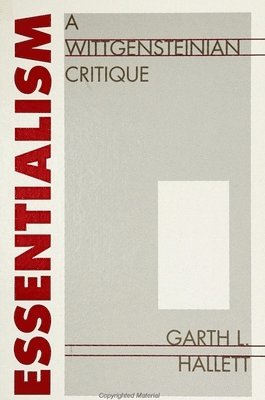
Essentialism
A Wittgensteinian Critique
Inbunden, 1991
1111 kr
Tillfälligt slut
Argues that many philosophical commitments to hidden "essences" are based on misunderstandings of language, and that Wittgenstein's view of meaning as use dissolves these essentialist assumptions across logic, epistemology, and metaphysics.What if much of contemporary philosophy rests on a mistake …
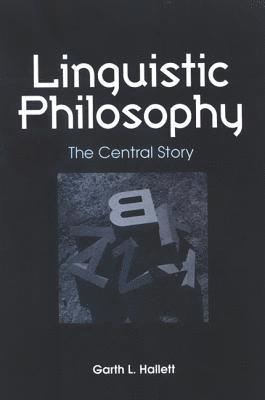
Linguistic Philosophy
The Central Story
Inbunden, 2008
1111 kr
Tillfälligt slut
Explores the role language plays in the relationship between reality and utterance.How much authority should language, the medium of communication, be accorded as a determinant of truth and therefore of what we say? Garth L. Hallett argues that, although never explicitly debated, this is the most …
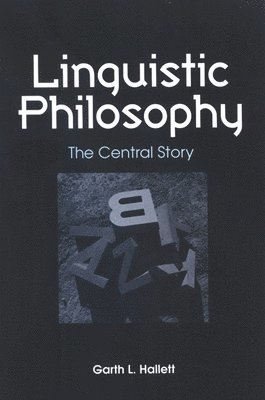
Linguistic Philosophy
The Central Story
Häftad, 2008
401 kr
Tillfälligt slut
Explores the role language plays in the relationship between reality and utterance.How much authority should language, the medium of communication, be accorded as a determinant of truth and therefore of what we say? Garth L. Hallett argues that, although never explicitly debated, this is the most …
Theology within the Bounds of Language
A Methodological Tour
Inbunden, 2011
1111 kr
Tillfälligt slut
Explores the use of language in Christian theology.In this wide-ranging work, Garth L. Hallett offers a guided tour through fundamental issues regarding the use of language in theology. His preliminary discussions-on language and thought, language and truth, the authority of language, making sense, …