Gary Ansdell – författare
Visar alla böcker från författaren Gary Ansdell. Handla med fri frakt och snabb leverans.
16 produkter
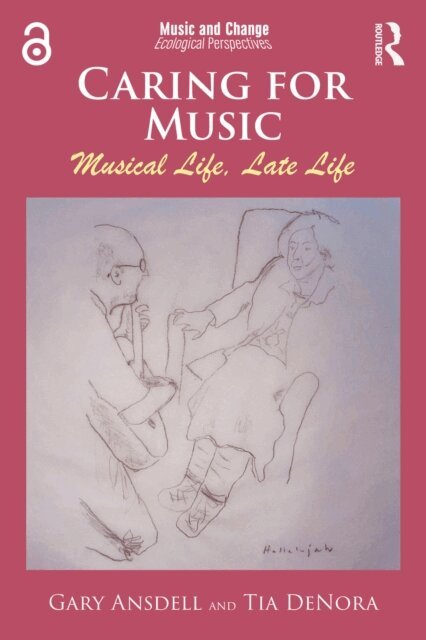
Caring for Music
Musical Life, Late Life
E-bok, 2026
714 kr
Lägg i varukorg
Caring for Music describes musical life in Hill House, a residential care home and the site of the AHRC Care for Music research project (https://careformusic.org/) which ran from 2018-2023.The book's primary aim is to let the people and situations involved show readers, from the inside of musical …
Caring for Music
Musical Life, Late Life
Inbunden, 2026
2578 kr
Lägg i varukorg
Caring for Music describes musical life in Hill House, a residential care home and the site of the AHRC Care for Music research project (https://careformusic.org/) which ran from 2018–2023.The book’s primary aim is to let the people and situations involved show readers, from the inside of musical …
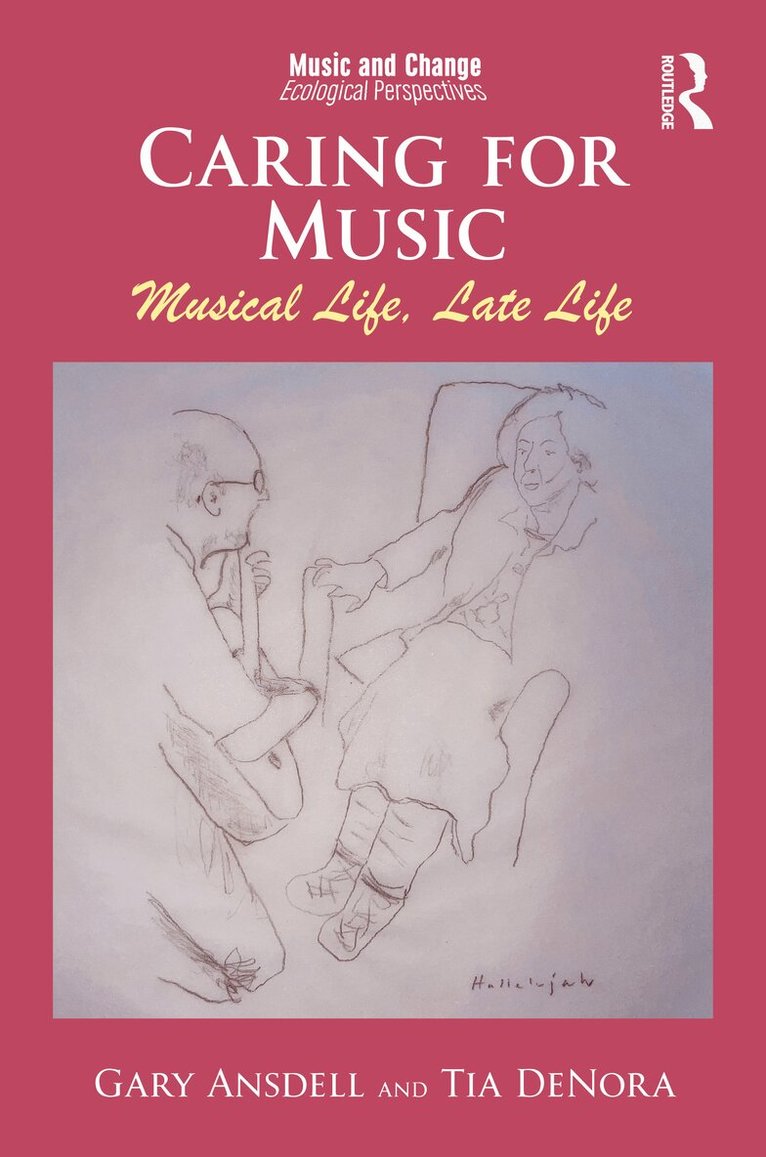
Caring for Music
Musical Life, Late Life
Häftad, 2026
605 kr
Lägg i varukorg
Caring for Music describes musical life in Hill House, a residential care home and the site of the AHRC Care for Music research project (https://careformusic.org/) which ran from 2018–2023.The book’s primary aim is to let the people and situations involved show readers, from the inside of musical …
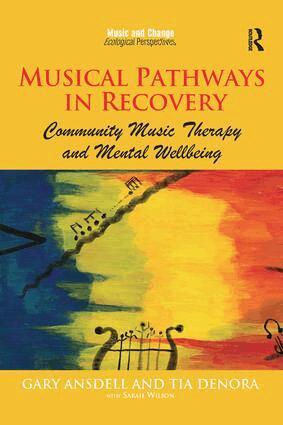
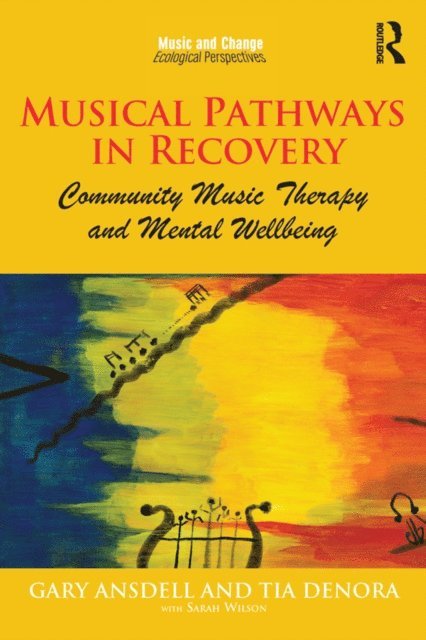
Musical Pathways in Recovery
Community Music Therapy and Mental Wellbeing
Häftad, 2017
725 kr
Lägg i varukorg
"Music triggered a healing process from within me. I started singing for the joy of singing myself and it helped me carry my recovery beyond the state I was in before I fell ill nine years ago to a level of well-being that I haven't had perhaps for thirty years." This book explores the experiences …
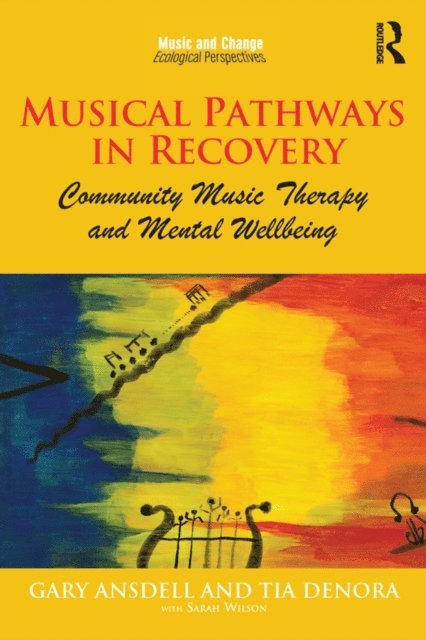
Musical Pathways in Recovery
Community Music Therapy and Mental Wellbeing
E-bok, 2016
981 kr
Lägg i varukorg
"Music triggered a healing process from within me. I started singing for the joy of singing myself and it helped me carry my recovery beyond the state I was in before I fell ill nine years ago to a level of well-being that I haven''t had perhaps for thirty years." This book explores the experiences …
Musical Pathways in Recovery
Community Music Therapy and Mental Wellbeing
E-bok, 2016
981 kr
Lägg i varukorg
"Music triggered a healing process from within me. I started singing for the joy of singing myself and it helped me carry my recovery beyond the state I was in before I fell ill nine years ago to a level of well-being that I haven''t had perhaps for thirty years." This book explores the experiences …
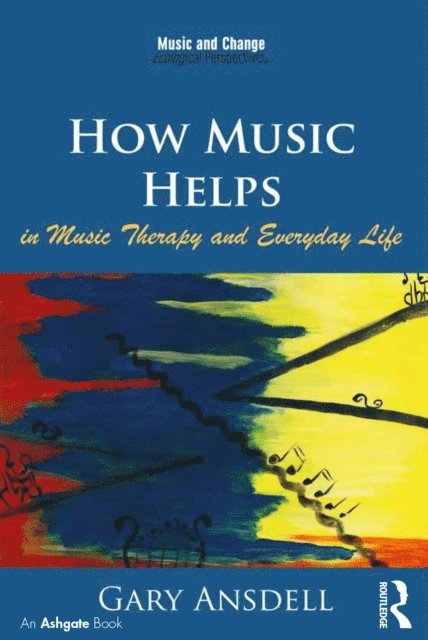
How Music Helps in Music Therapy and Everyday Life
Av Gary Ansdell
E-bok, 2016
767 kr
Lägg i varukorg
Why is music so important to most of us? How does music help us both in our everyday lives, and in the more specialist context of music therapy? This book suggests a new way of approaching these topical questions, drawing from Ansdell''s long experience as a music therapist, and from the latest …
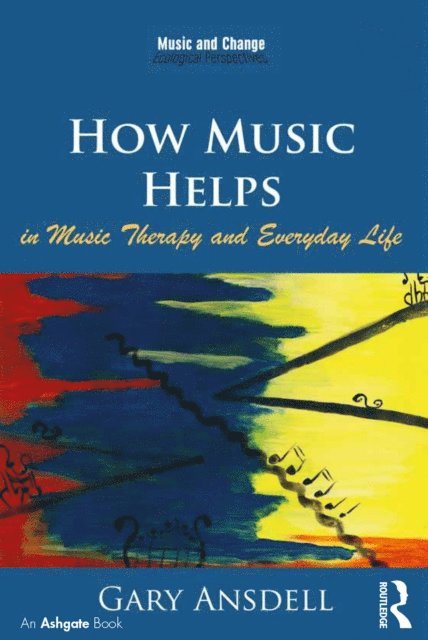
How Music Helps in Music Therapy and Everyday Life
Av Gary Ansdell
E-bok, 2016
767 kr
Lägg i varukorg
Why is music so important to most of us? How does music help us both in our everyday lives, and in the more specialist context of music therapy? This book suggests a new way of approaching these topical questions, drawing from Ansdell''s long experience as a music therapist, and from the latest …
How Music Helps in Music Therapy and Everyday Life
Av Gary Ansdell
Inbunden, 2014
2578 kr
Lägg i varukorg
Why is music so important to most of us? How does music help us both in our everyday lives, and in the more specialist context of music therapy? This book suggests a new way of approaching these topical questions, drawing from Ansdell's long experience as a music therapist, and from the latest …
Musical Pathways in Recovery
Community Music Therapy and Mental Wellbeing
Inbunden, 2016
2578 kr
Lägg i varukorg
"Music triggered a healing process from within me. I started singing for the joy of singing myself and it helped me carry my recovery beyond the state I was in before I fell ill nine years ago to a level of well-being that I haven't had perhaps for thirty years." This book explores the experiences …
How Music Helps in Music Therapy and Everyday Life
Av Gary Ansdell
Häftad, 2015
725 kr
Lägg i varukorg
Why is music so important to most of us? How does music help us both in our everyday lives, and in the more specialist context of music therapy? This book suggests a new way of approaching these topical questions, drawing from Ansdell's long experience as a music therapist, and from the latest …
Community Music Therapy
Av Gary Ansdell, Mercedes Pavlicevic
Häftad, 2004
626 kr
Lägg i varukorg
Music therapists from around the world working in conventional and unconventional settings have offered their contributions to this exciting new book, presenting spirited discussion and practical examples of the ways music therapy can reflect and encourage social change. From working with …
Community Music Therapy
Av Gary Ansdell, Mercedes Pavlicevic
E-bok, 2004
588 kr
Lägg i varukorg
Music therapists from around the world working in conventional and unconventional settings have offered their contributions to this exciting new book, presenting spirited discussion and practical examples of the ways music therapy can reflect and encourage social change. From working with …
Beginning Research in the Arts Therapies
A Practical Guide
Av Gary Ansdell, Mercedes Pavlicevic
E-bok, 2001
488 kr
Lägg i varukorg
* Are you about to write a dissertation for an MA in an arts therapy?* Is your workplace pressuring you to do research on your practice?* Do you fancy trying your hand at a bit of research without any pressure from anyone?* Are you bewitched, bothered and bewildered?A mystique about research …
Beginning Research in the Arts Therapies
A Practical Guide
Av Gary Ansdell, Mercedes Pavlicevic
Häftad, 2001
538 kr
Lägg i varukorg
* Are you about to write a dissertation for an MA in an arts therapy?* Is your workplace pressuring you to do research on your practice?* Do you fancy trying your hand at a bit of research without any pressure from anyone?* Are you bewitched, bothered and bewildered?A mystique about research …
Music for Life: Aspects of Creative Music Therapy with Adult Clients
Av Gary Ansdell, Ansdell
Häftad, 1995
252 kr
Tillfälligt slut