Gary Holthaus – författare
Visar alla böcker från författaren Gary Holthaus. Handla med fri frakt och snabb leverans.
6 produkter
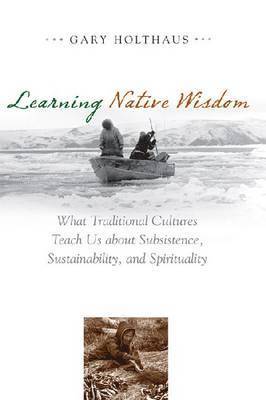
Learning Native Wisdom
What Traditional Cultures Teach Us about Subsistence, Sustainability, and Spirituality
Häftad, 2013
517 kr
Lägg i varukorg
Many native North American cultures have origins that predate Confucius, who lived five hundred years before the birth of Christ. For generations the people of these traditions have thrived under conditions that many view as harsh if not hostile. Through their close association with nature, members …
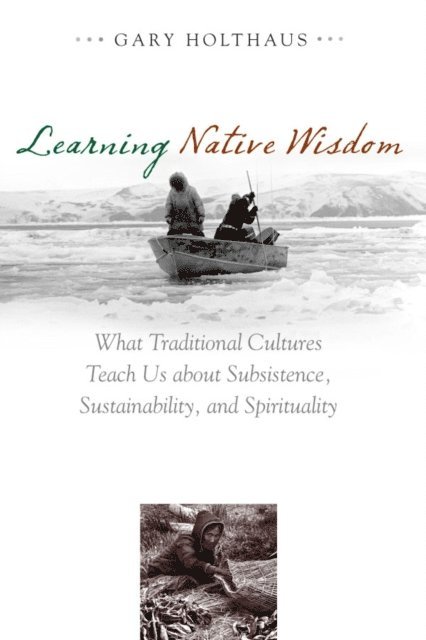
Learning Native Wisdom
What Traditional Cultures Teach Us about Subsistence, Sustainability, and Spirituality
E-bok, 2008
598 kr
Lägg i varukorg
Scientific evidence has made it abundantly clear that the world''s population can no longer continue its present rate of consuming and despoiling the planet''s limited natural resources. Scholars, activists, politicians, and citizens worldwide are promoting the idea of sustainability, or systems …
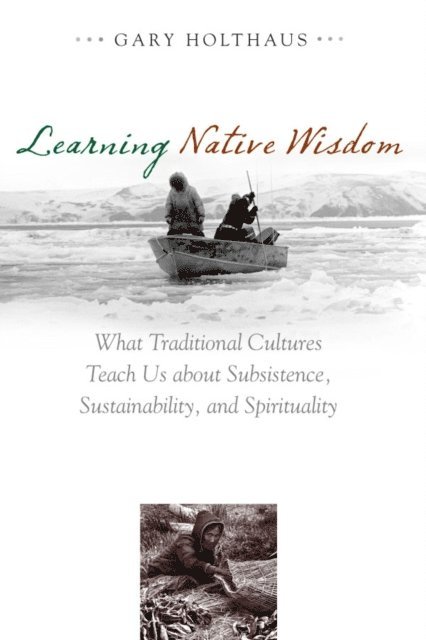
Learning Native Wisdom
What Traditional Cultures Teach Us about Subsistence, Sustainability, and Spirituality
E-bok, 2008
459 kr
Lägg i varukorg
Scientific evidence has made it abundantly clear that the world''s population can no longer continue its present rate of consuming and despoiling the planet''s limited natural resources. Scholars, activists, politicians, and citizens worldwide are promoting the idea of sustainability, or systems …
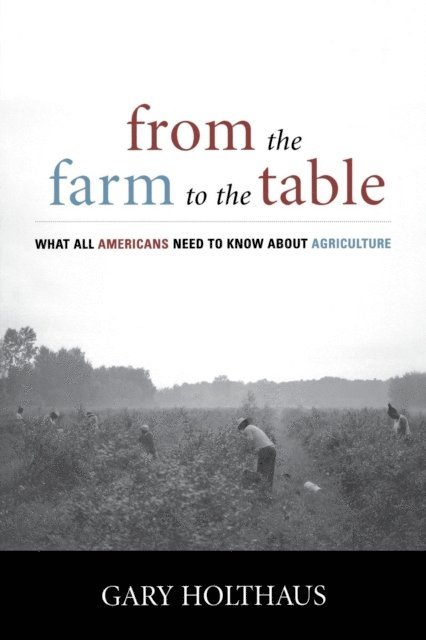
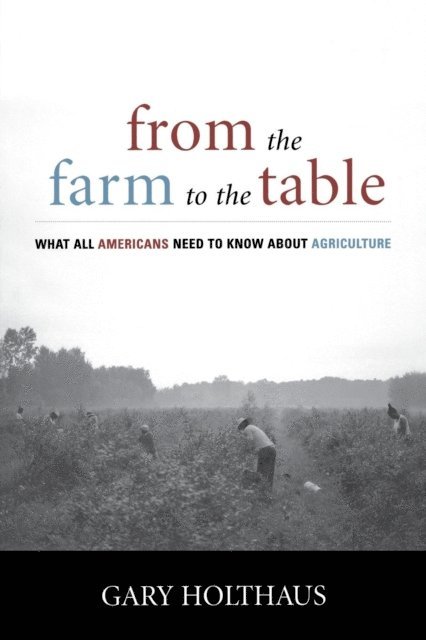
From the Farm to the Table
What All Americans Need to Know about Agriculture
E-bok, 2014
1070 kr
Lägg i varukorg
As with other areas of human industry, it has been assumed that technological progress would improve all aspects of agriculture. Technology would increase both efficiency and yield, or so we thought. The directions taken by technology may have worked for a while, but the same technologies that give …
From the Farm to the Table
What All Americans Need to Know about Agriculture
E-bok, 2014
186 kr
Lägg i varukorg
A portrait of the realities of agricultural life in today''s world, based on interviews with more than forty farm families. In this book, dozens of farm families from America''s heartland detail the practices and values that relate to their land, work, and communities. Their stories reveal that …
From the Farm to the Table
What All Americans Need to Know about Agriculture
Häftad, 2009
410 kr
Lägg i varukorg
As with other areas of human industry, it has been assumed that technological progress would improve all aspects of agriculture. Technology would increase both efficiency and yield, or so we thought. The directions taken by technology may have worked for a while, but the same technologies that give …