Gary Kroll - Böcker
Visar alla böcker från författaren Gary Kroll. Handla med fri frakt och snabb leverans.
2 produkter
2 produkter
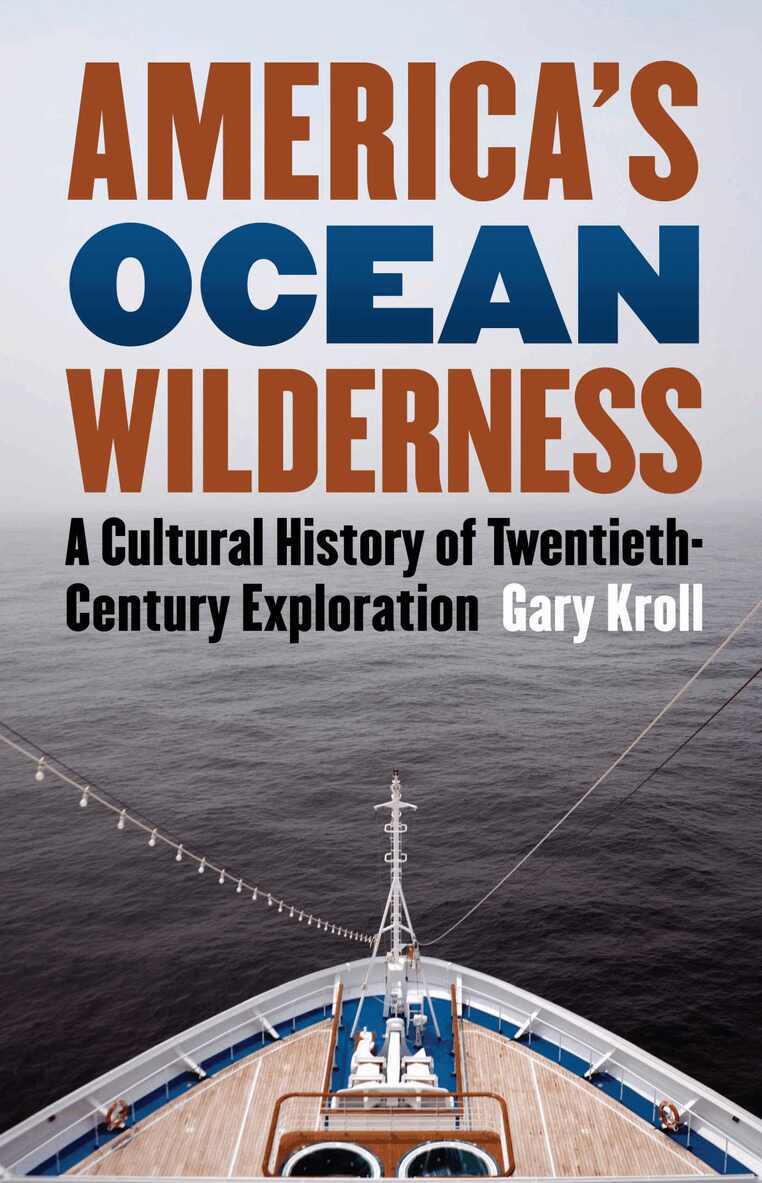
America's Ocean Wilderness
A Cultural History of Twentieth-century Exploration
Inbunden, Engelska, 2008
594 kr
Skickas inom 10-15 vardagar
From whaling museums to National Geographic television specials to ""tiki bars,"" the high seas have enchanted modern Americans as an adventurous frontier. And as contemporary explorers have discovered a new wilderness in the world's oceans, their depictions of the depths have influenced how we view these largely uncharted realms.""America's Ocean Wilderness"" is a cultural history of America's exploration of the ocean and the first book to critically analyze the legacies of seven marine explorers. Assessing work that often straddles professional science and popular culture, Gary Kroll examines the different perspectives a handful of scientists and naturalists - Jacques Cousteau, Thor Heyerdahl, Roy Chapman Andrews, Robert Cushman Murphy, Eugenie Clark, Rachel Carson, and William Beebe - have offered on what the ocean means and how their views helped shape the way many Americans relate to the seas.Kroll argues that to truly know the ocean we first need to understand our own western frontier, showing how easily our popular infatuation with the continental wilderness - in the spirit of manifest destiny and its problematic legacy of conquest - has been transferred to the watery world. Indeed, the twentieth-century American imagination was quick to imbue the ocean with frontier characteristics, whether as a trove of inexhaustible resources, an ecosystem in need of stewardship, or a place of recreation.Exploring the phenomenon of Americans' fascination with wild and inaccessible places, Kroll shows how these seven explorers helped create and perpetuate the idea of an ocean wilderness by applying terrestrial logic to the seas. And he demonstrates that their own appeal and accomplishments were abetted by the willingness of Americans to understand other new frontiers in terms of the West.As the ocean gradually became an extension of the nineteenth-century conception of wilderness - an attitude not without ecological consequences - many of the sea's environmental problems were linked to the way we think about it as a frontier space, Kroll argues. With poisoned waters, depleted fisheries, and dying coral reefs, the seas are endangered by the same kinds of forces that threatened and ravaged America's terrestrial wilderness. ""America's Ocean Wilderness"" offers a new perspective on this last earthly frontier, encouraging readers to realize that the way they view the ocean may well seal its fate.
942 kr
Skickas inom 10-15 vardagar
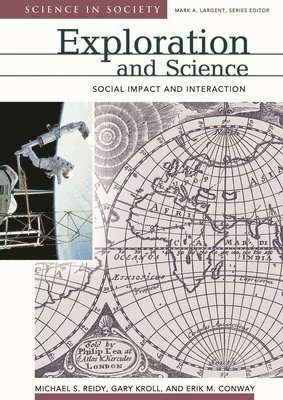
This comprehensive volume explores the intricate, mutually dependent relationship between science and exploration—how each has repeatedly built on the discoveries of the other and, in the process, opened new frontiers.A simple question: Which came first, advances in navigation or successful voyages of discovery? A complicated answer: Both and neither. For more than four centuries, scientists and explorers have worked together—sometimes intentionally and sometimes not—in an ongoing, symbiotic partnership. When early explorers brought back exotic flora and fauna from newly discovered lands, scientists were able to challenge ancient authorities for the first time. As a result, scientists not only invented new navigational tools to encourage exploration, but also created a new approach to studying nature, in which observations were more important than reason and authority.The story of the relationship between science and exploration, analyzed here for the first time, is nothing less than the history of modern science and the expanding human universe.