Gary M. Gladysz – författare
Visar alla böcker från författaren Gary M. Gladysz. Handla med fri frakt och snabb leverans.
4 produkter
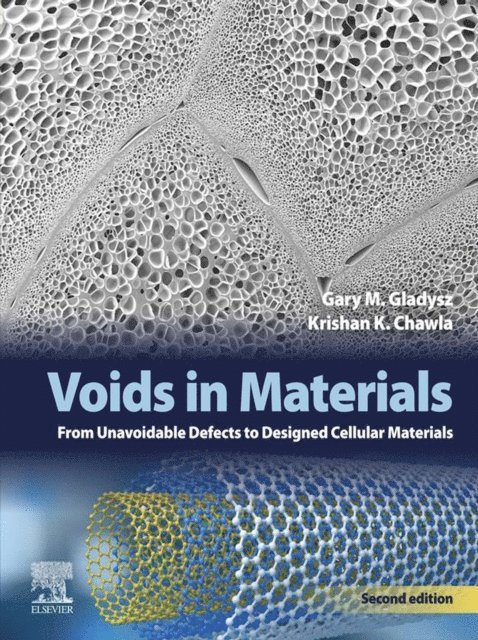
Voids in Materials
From Unavoidable Defects to Designed Cellular Materials
Av Gary M. Gladysz, Krishan K. Chawla
Häftad, 2020
2124 kr
Lägg i varukorg
All materials have voids in them, at some scale. Sometimes the voids are ignored, sometimes they are taken into account, and other times they are the focal point of the research. Voids in Materials: From Unavoidable Defects to Designed Cellular Materials takes due notice of all these occurrences, …
Voids in Materials
From Unavoidable Defects to Designed Cellular Materials
Av Krishan K. Chawla, Gary M. Gladysz
E-bok, 2020
3025 kr
Lägg i varukorg
All materials have voids in them, at some scale. Sometimes the voids are ignored, sometimes they are taken into account, and other times they are the focal point of the research. Voids in Materials: From Unavoidable Defects to Designed Cellular Materials takes due notice of all these occurrences, …
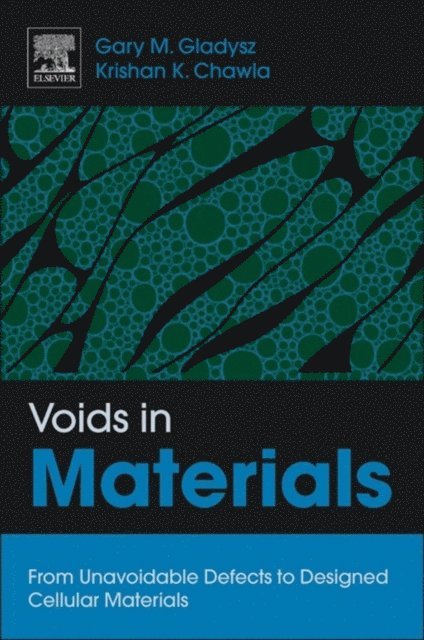
Voids in Materials
From Unavoidable Defects to Designed Cellular Materials
Av Gary M. Gladysz, Krishan K. Chawla
Inbunden, 2014
1560 kr
Lägg i varukorg
Voids in Materials treats voids of different shapes and forms in various materials, and examines their effects on material properties. The book covers the origins of voids in materials, how they are sometimes introduced in the form of hollow spheres, and the resultant properties of materials …
Voids in Materials
From Unavoidable Defects to Designed Cellular Materials
Av Krishan K. Chawla, Gary M. Gladysz
E-bok, 2014
2017 kr
Lägg i varukorg
Voids in Materials treats voids of different shapes and forms in various materials, and examines their effects on material properties. The book covers the origins of voids in materials, how they are sometimes introduced in the form of hollow spheres, and the resultant properties of materials …