Gaurav Sablok - Böcker
Visar alla böcker från författaren Gaurav Sablok. Handla med fri frakt och snabb leverans.
6 produkter
6 produkter
1 064 kr
Skickas inom 10-15 vardagar
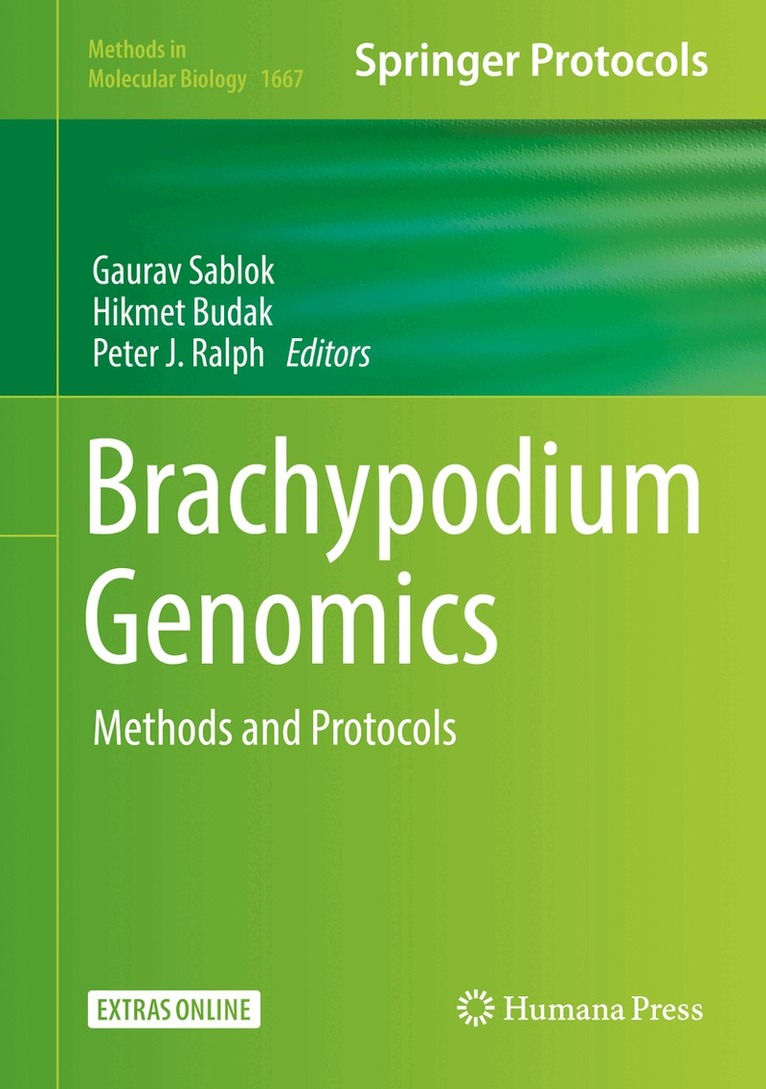
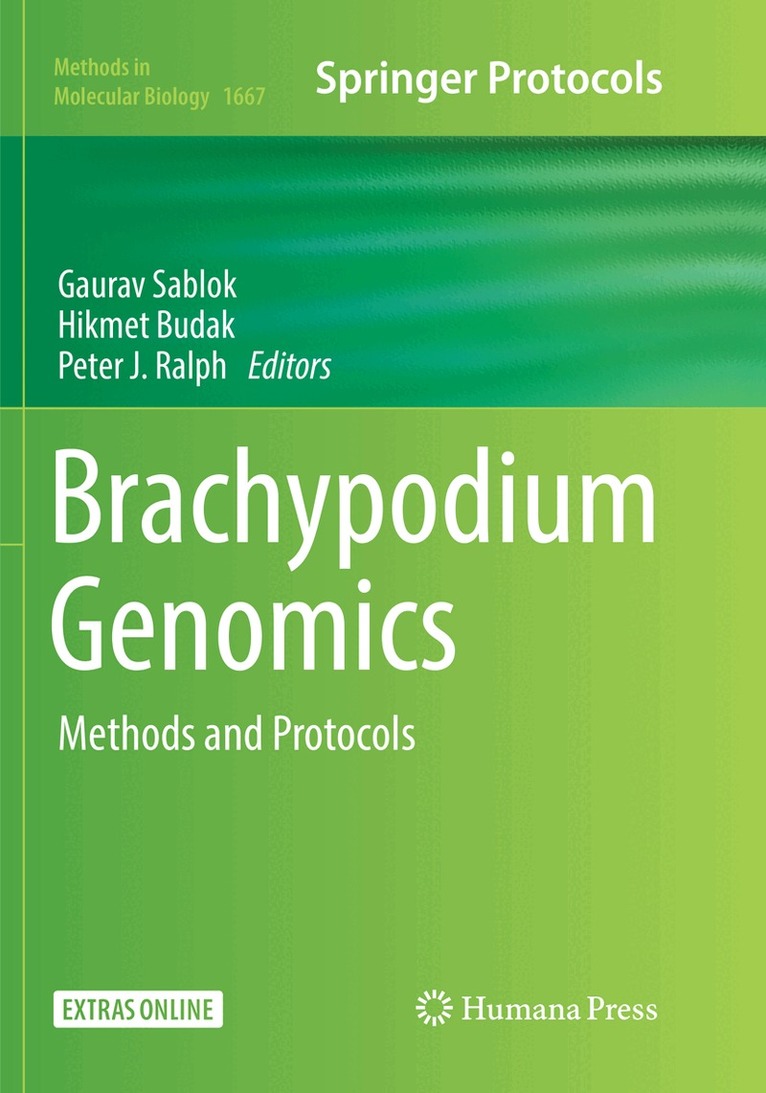
This volume presents protocols for Brachypodium genomics in numerous areas ranging from marker development, trait evolution, functional genomics, metabolomics, transcriptomics, genomics, and tilling. This book also explores techniques to study the widening genetic base of Brachypodium that will help researchers better understand the model plant using NGS technologies. Written in the highly successful Methods in Molecular Biology series format, chapters include introductions to their respective topics, lists of the necessary materials and reagents, step-by-step, readily reproducible laboratory protocols, and tips on troubleshooting and avoiding known pitfalls.Cutting-edge and comprehensive, Brachypodium Genomics: Methods and Protocols is a valuable resource for bench-oriented molecular biologists and computational biologists working towards further evolving this field.
1 276 kr
Skickas inom 10-15 vardagar
This volume presents protocols for Brachypodium genomics in numerous areas ranging from marker development, trait evolution, functional genomics, metabolomics, transcriptomics, genomics, and tilling.
1 593 kr
Skickas inom 10-15 vardagar
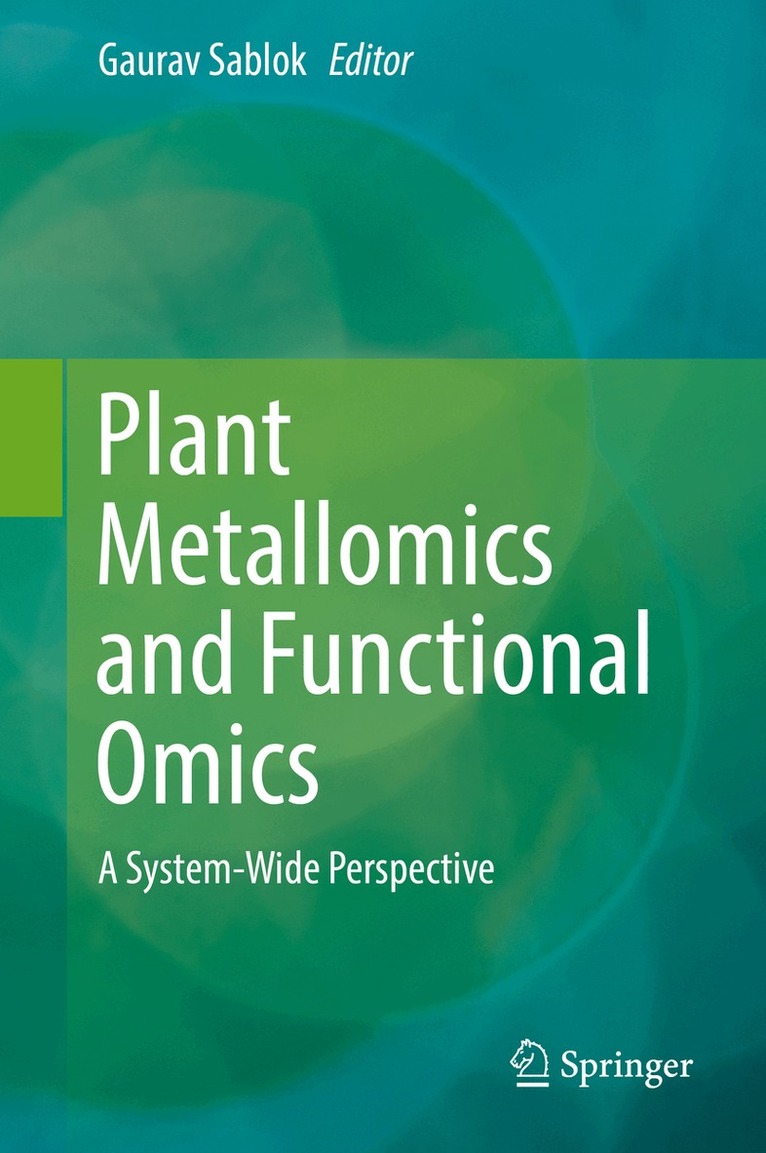
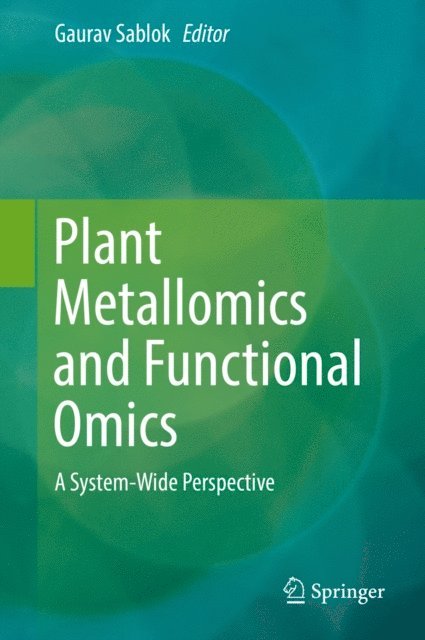
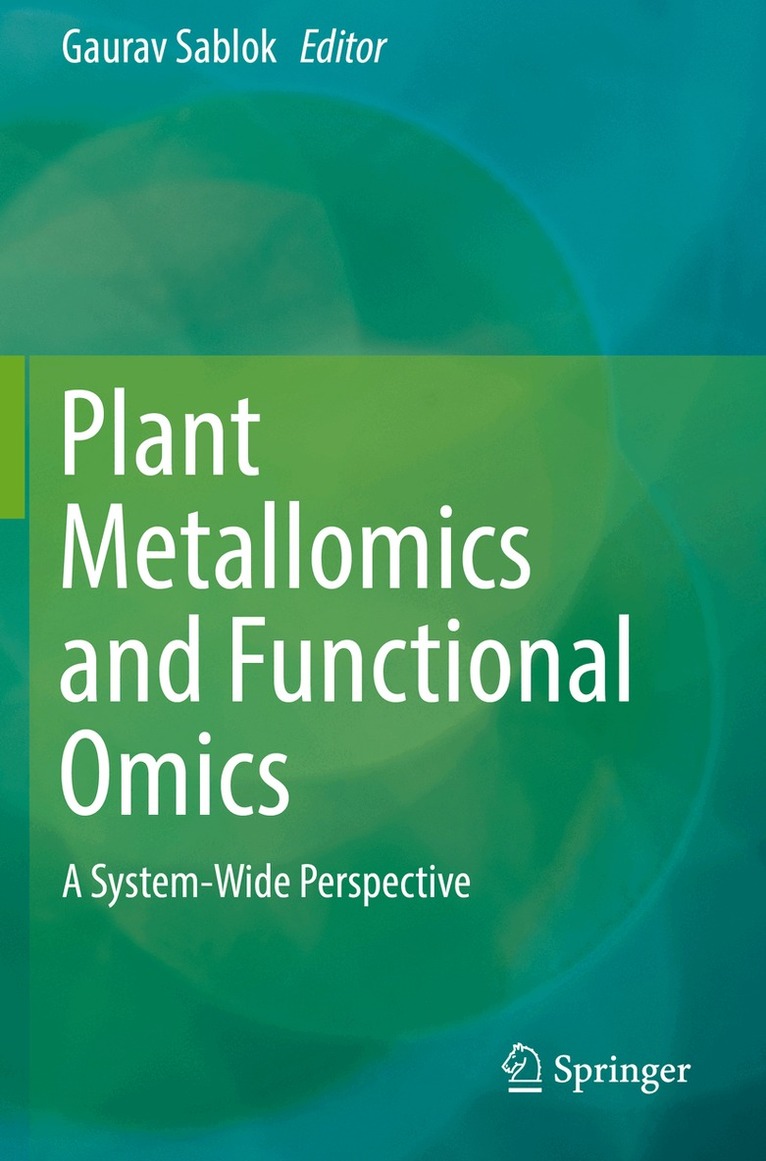
Major portion of the planet earth is covered by seas and oceans representing 96.5% of the planet’s water, playing a detrimental role in sustaining the plant including crop diversity and productivity for human consumption. Water resources contain both soluble and transition metals, which are easily absorbed by plants through roots as a first point of contact and subsequently play important physiological and biological functions in plants. Transition metals such as copper (Cu), iron (Fe), manganese (Mn) and zinc (Zn) contribute to the plant productivity by playing key functional roles in the photosynthesis. In addition, to their major role in regulating the plant productivity, they also play an important role by acting as homeostatic regulators in uni-parentally inherited chloroplasts and maintains the flow of the electron transfer. It is worthwhile to mention that they play a critical role as transporters, which acts as electron balancing units for managing the electrostatic potential across the membranes. In contrast, some metals such as Cd, As play a significant role in inducing the stress mechanism and influencing either directly or in-directly Haber-Weiss reactions either through the production of the reactive oxygen species (ROS) or through the membrane damage thus leading to leakage of membrane transporters. However, besides playing a detrimental role as transporters in plant system, excessive accumulation of these metals due to the increasing contamination in the marginal soil and water are posing important threats to the plant system. Realizing the toxic effects of the metals, several physiological evidences have been laid for the credence of the metal toxicity and their concurrent effect on plant productivity. Increasing effects of the metals as toxicants can have three adverse effects on the populations: population can move, persist via local adaptation or phenotypic plasticity, or die. Next generation sequencing studies have revolutionized our abilities todetect the changes in expression profiles across an array of genes, which can in-turn help to develop early markers of metal induced stress. Plant Metallomics and Functional Omics: A System-Wide Perspective focuses on the applications of the system wide understanding of the biological and functional interplay occurring at the juncture of the metalloid induced stress and toxicity. The main goal of this book is to familiarize the readers with the most up-to-date information on metal-induced physiological changes in plant species.
1 170 kr
Skickas inom 10-15 vardagar
Major portion of the planet earth is covered by seas and oceans representing 96.5% of the planet’s water, playing a detrimental role in sustaining the plant including crop diversity and productivity for human consumption.
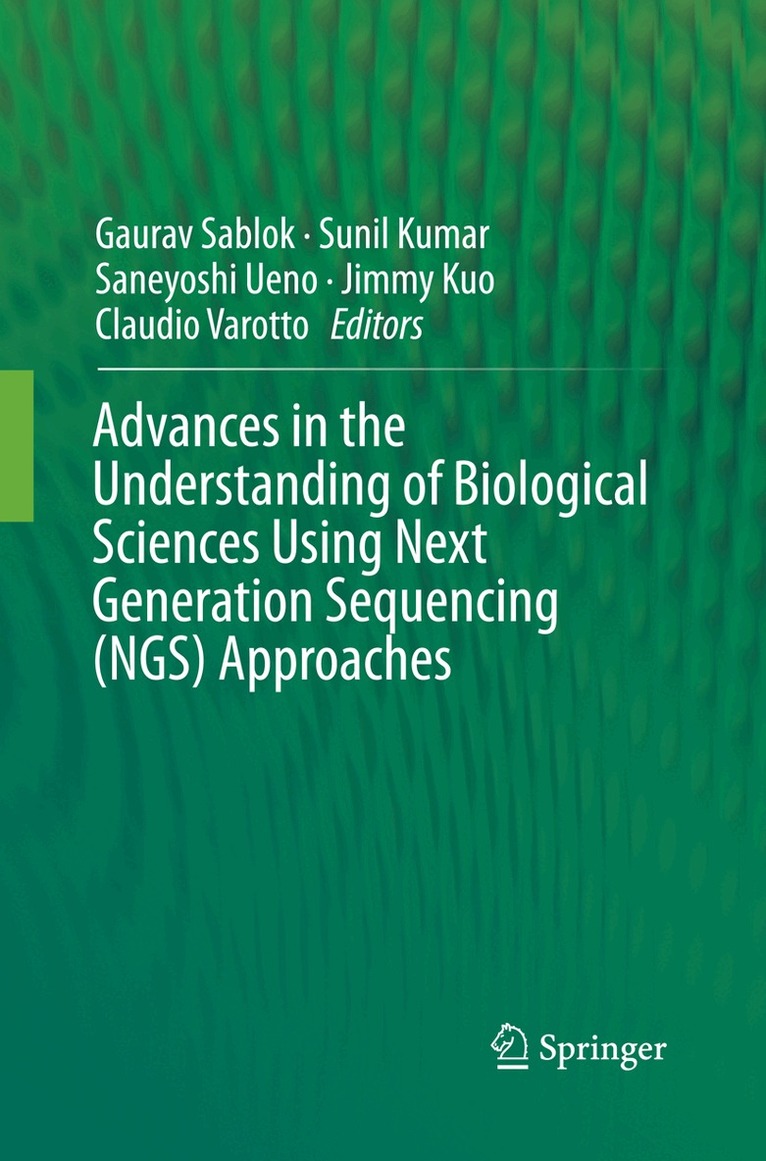
Advances in the Understanding of Biological Sciences Using Next Generation Sequencing (NGS) Approaches
Inbunden, Engelska, 2015
1 064 kr
Skickas inom 10-15 vardagar
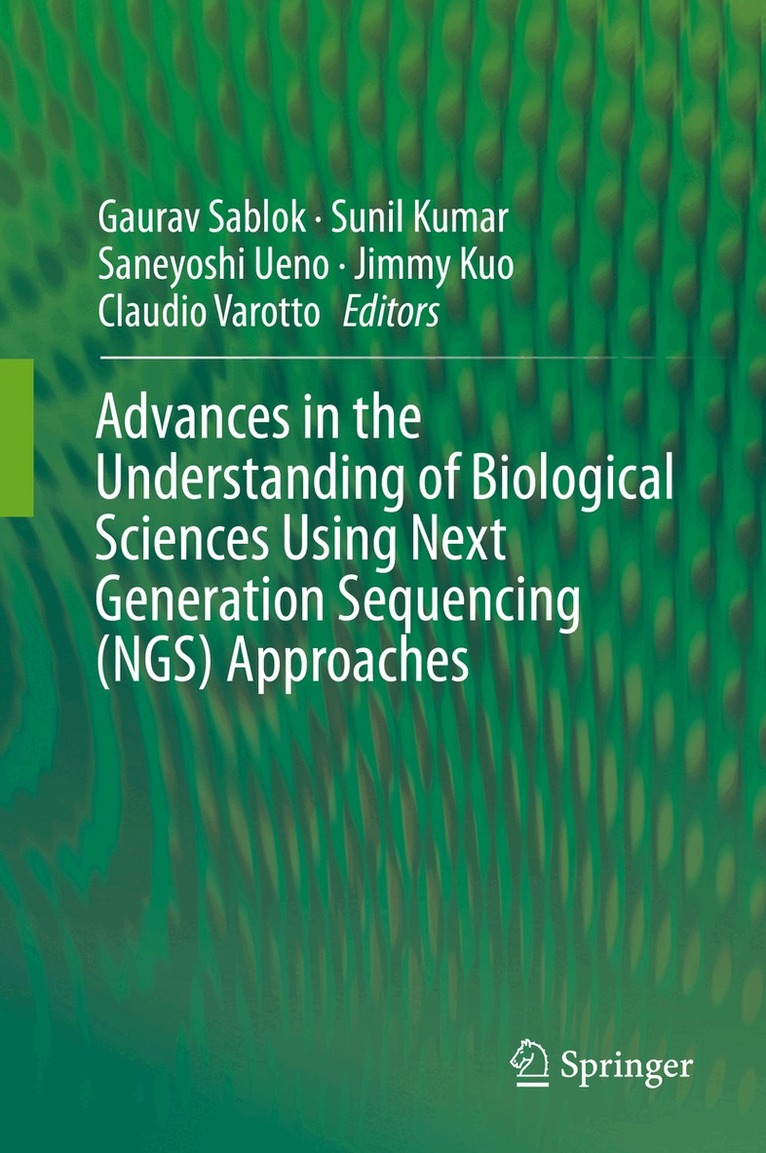
Provides a global view of the recent advances in the biological sciences and the adaption of the pathogen to the host plants revealed using NGS. Molecular Omic’s is now a major driving force to learn the adaption genetics and a great challenge to the scientific community, which can be resolved through the application of the NGS technologies. The availability of complete genome sequences, the respective model species for dicot and monocot plant groups, presents a global opportunity to delineate the identification, function and the expression of the genes, to develop new tools for the identification of the new genes and pathway identification. Genome-wide research tools, resources and approaches such as data mining for structural similarities, gene expression profiling at the DNA and RNA level with rapid increase in available genome sequencing efforts, expressed sequence tags (ESTs), RNA-seq, gene expression profiling, induced deletion mutants and insertional mutants, and gene expression knock-down (gene silencing) studies with RNAi and microRNAs have become integral parts of plant molecular omic’s. Molecular diversity and mutational approaches present the first line of approach to unravel the genetic and molecular basis for several traits, QTL related to disease resistance, which includes host approaches to combat the pathogens and to understand the adaptation of the pathogen to the plant host. Using NGS technologies, understanding of adaptation genetics towards stress tolerance has been correlated to the epigenetics. Naturally occurring allelic variations, genome shuffling and variations induced by chemical or radiation mutagenesis are also being used in functional genomics to elucidate the pathway for the pathogen and stress tolerance and is widely illustrated in demonstrating the identification of the genes responsible for tolerance in plants, bacterial and fungal species.
Advances in the Understanding of Biological Sciences Using Next Generation Sequencing (NGS) Approaches
Häftad, Engelska, 2016
1 064 kr
Skickas inom 10-15 vardagar
Provides a global view of the recent advances in the biological sciences and the adaption of the pathogen to the host plants revealed using NGS. Molecular Omic’s is now a major driving force to learn the adaption genetics and a great challenge to the scientific community, which can be resolved through the application of the NGS technologies. The availability of complete genome sequences, the respective model species for dicot and monocot plant groups, presents a global opportunity to delineate the identification, function and the expression of the genes, to develop new tools for the identification of the new genes and pathway identification. Genome-wide research tools, resources and approaches such as data mining for structural similarities, gene expression profiling at the DNA and RNA level with rapid increase in available genome sequencing efforts, expressed sequence tags (ESTs), RNA-seq, gene expression profiling, induced deletion mutants and insertional mutants, and gene expression knock-down (gene silencing) studies with RNAi and microRNAs have become integral parts of plant molecular omic’s. Molecular diversity and mutational approaches present the first line of approach to unravel the genetic and molecular basis for several traits, QTL related to disease resistance, which includes host approaches to combat the pathogens and to understand the adaptation of the pathogen to the plant host. Using NGS technologies, understanding of adaptation genetics towards stress tolerance has been correlated to the epigenetics. Naturally occurring allelic variations, genome shuffling and variations induced by chemical or radiation mutagenesis are also being used in functional genomics to elucidate the pathway for the pathogen and stress tolerance and is widely illustrated in demonstrating the identification of the genes responsible for tolerance in plants, bacterial and fungal species.