Gavin Capps – författare
Visar alla böcker från författaren Gavin Capps. Handla med fri frakt och snabb leverans.
3 produkter
3 produkter
286 kr
Skickas inom 7-10 vardagar
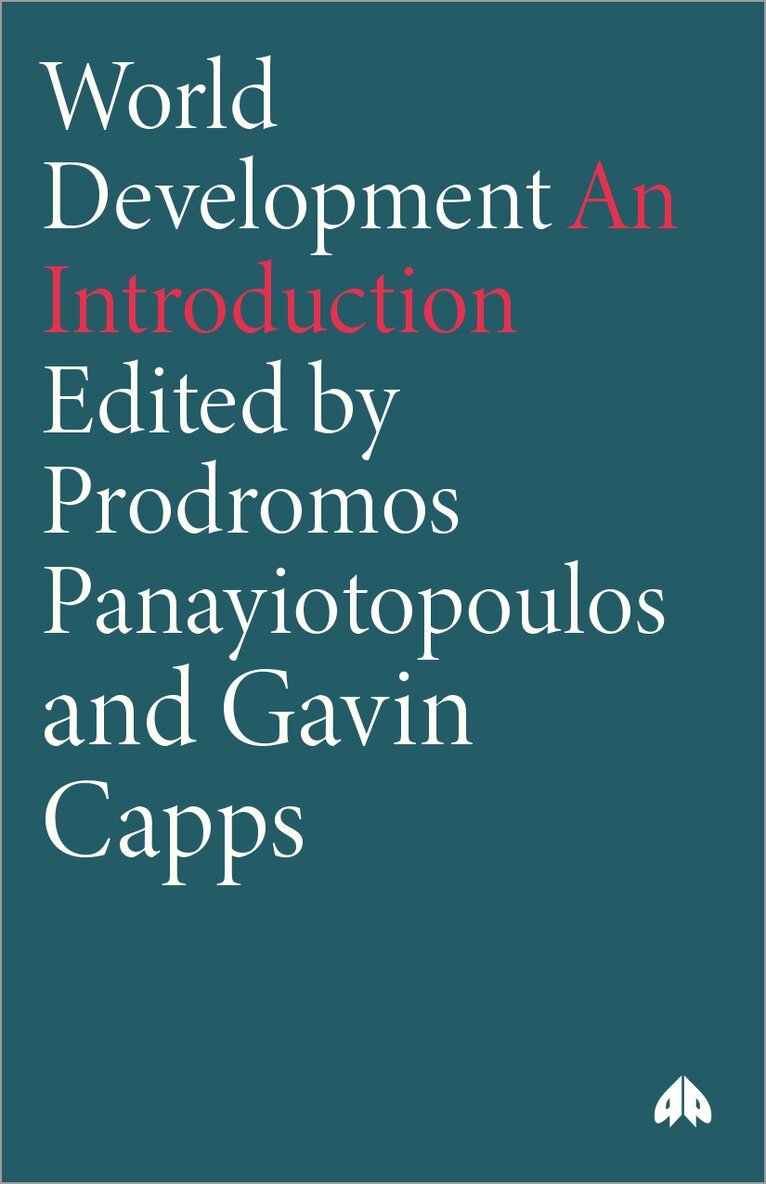
Do the structures of the world economy invariably work against the interests of the Third World? What is the impact of industrialisation? How does it affect people and their livelihoods, gender relations, the environment, movements for social justice and democracy? World Development offers answers to these questions. A comprehensive introductory guide for students, teachers, volunteers and NGO workers in development,World Development examines the substantive issues surrounding development, industrialisation and globalization and places them within a historic context. It outlines the historical development of the world economy and assesses the current prospects for developing countries. The book contains in-depth analyses of how particular industries operate at local and global levels, drawing from case studies on textiles, tourism and copper. There are also case studies of specific countries, including South Korea, Cyprus, Mexico, China and Spain.
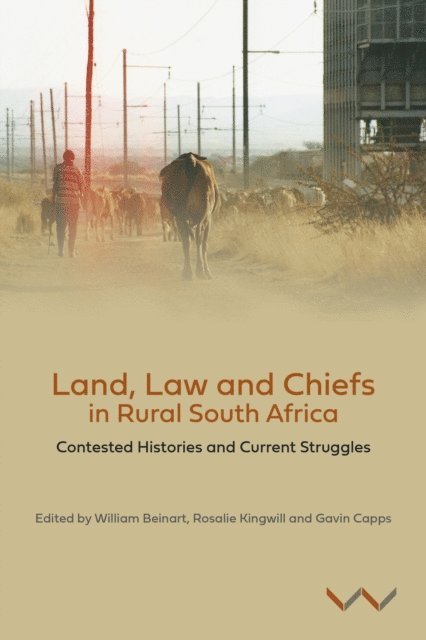
Land, Law and Chiefs in Rural South Africa
Contested Histories and Current Struggles
Häftad, Engelska, 2021
334 kr
Skickas inom 7-10 vardagar
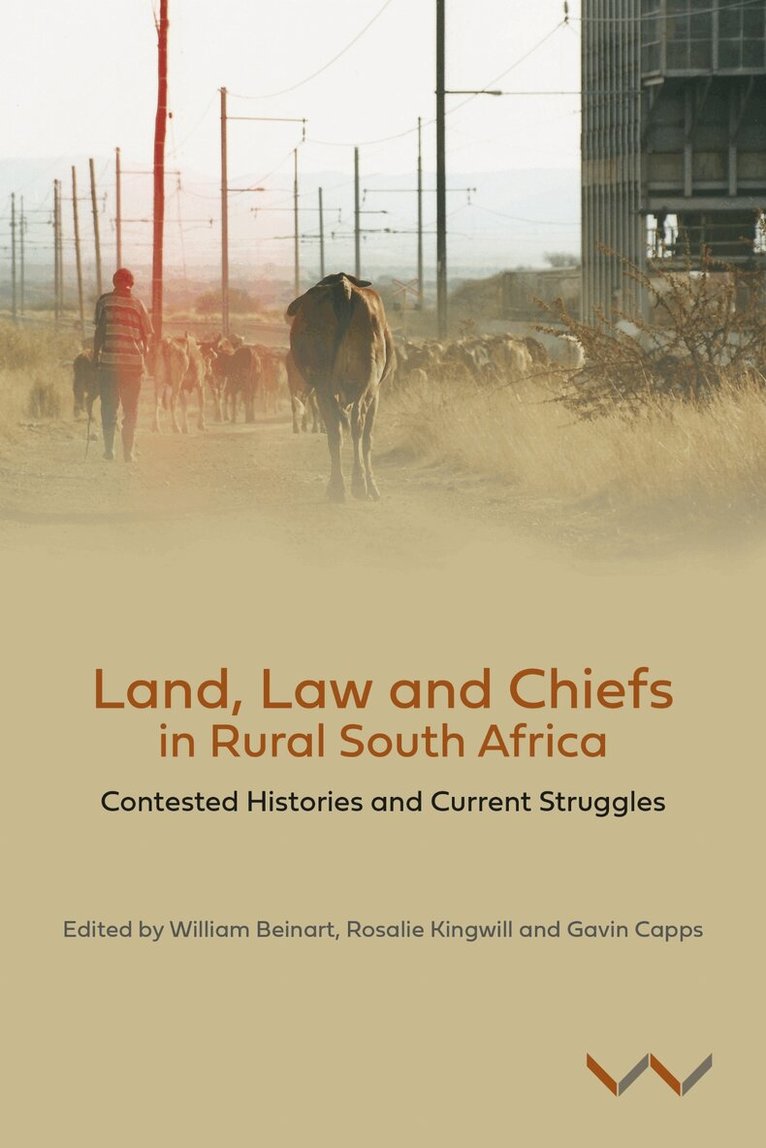
This edited collection illustrates contestations over land and political authority in South Africa's rural areas, focusing on threats to popular rights and how they are being supported.Who controls the land and minerals in the former Bantustans of South Africa - chiefs, the state or landholders? Disputes are taking place around the ownership of resources, decisions about their exploitation and who should benefit. With respect to all of these issues, the courts have become increasingly important.The contributors to Land, Law and Chiefs in Rural South Africa capture some of these intense contestations over land, law and political authority, focussing on threats to the rights of ordinary people. History and customary law feature strongly in most disputes and succession to chieftaincy is also frequently disputed. Judges have to make decisions in a context where rival claimants to property or office assert their own versions of history and custom. The South African constitution recognizes customary law and the courts are attempting to incorporate and develop this branch of jurisprudence as 'living customary law'. Lawyers, community leaders and academics are called on to assist in researching cases around restitution, land rights and customary law. The chapters in this collection discuss legal cases and policy directions that have evolved since 1994. Some chapters analyze the increasing power of chiefs in the South African rural areas, while others suggest that the courts are giving support to popular rights over land and supporting local democratic processes. Contributors record significant pushback from groups that reject traditional authority. These political tensions are a central theme of the collection and thus serve as vital case studies in furthering our understanding of rights and restitution in South Africa.
Land, Law and Chiefs in Rural South Africa
Contested Histories and Current Struggles
Inbunden, Engelska, 2021
1 196 kr
Skickas inom 5-8 vardagar
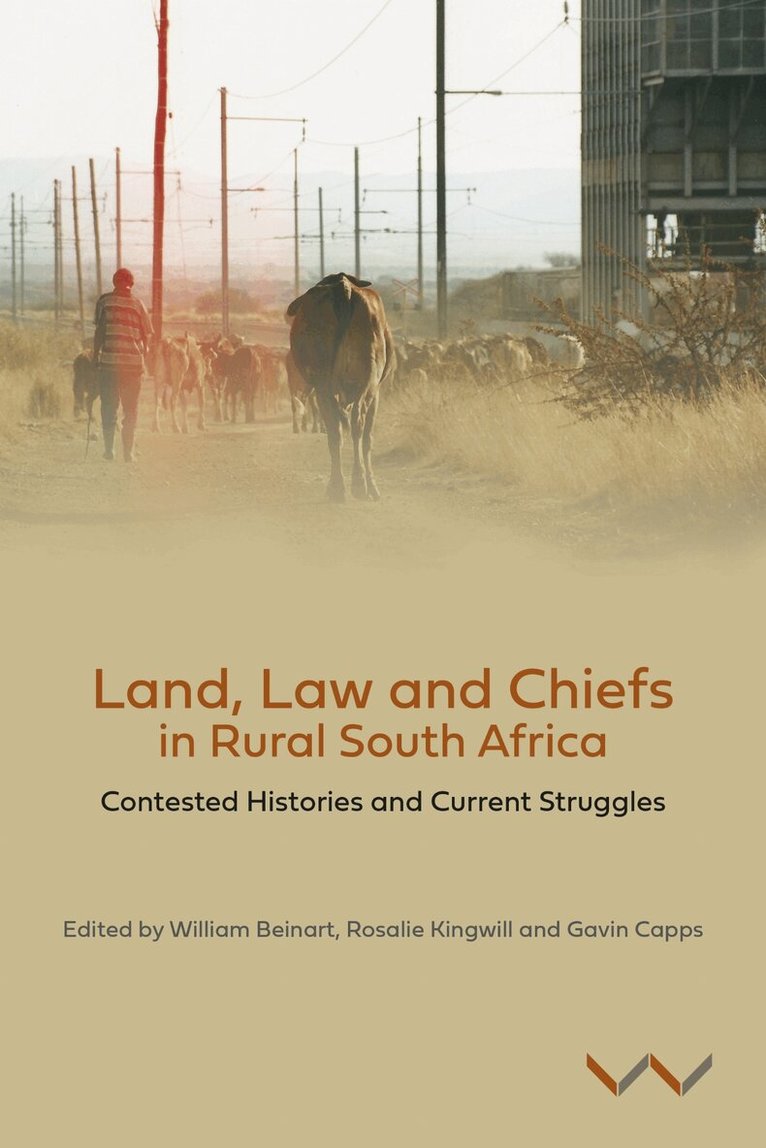
This edited collection illustrates contestations over land and political authority in South Africa's rural areas, focusing on threats to popular rights and how they are being supported.Who controls the land and minerals in the former Bantustans of South Africa - chiefs, the state or landholders? Disputes are taking place around the ownership of resources, decisions about their exploitation and who should benefit. With respect to all of these issues, the courts have become increasingly important.The contributors to Land, Law and Chiefs in Rural South Africa capture some of these intense contestations over land, law and political authority, focussing on threats to the rights of ordinary people. History and customary law feature strongly in most disputes and succession to chieftaincy is also frequently disputed. Judges have to make decisions in a context where rival claimants to property or office assert their own versions of history and custom. The South African constitution recognizes customary law and the courts are attempting to incorporate and develop this branch of jurisprudence as 'living customary law'. Lawyers, community leaders and academics are called on to assist in researching cases around restitution, land rights and customary law. The chapters in this collection discuss legal cases and policy directions that have evolved since 1994. Some chapters analyze the increasing power of chiefs in the South African rural areas, while others suggest that the courts are giving support to popular rights over land and supporting local democratic processes. Contributors record significant pushback from groups that reject traditional authority. These political tensions are a central theme of the collection and thus serve as vital case studies in furthering our understanding of rights and restitution in South Africa.