Gavin Miller - Böcker
Visar alla böcker från författaren Gavin Miller. Handla med fri frakt och snabb leverans.
5 produkter
5 produkter
1 886 kr
Skickas inom 3-6 vardagar
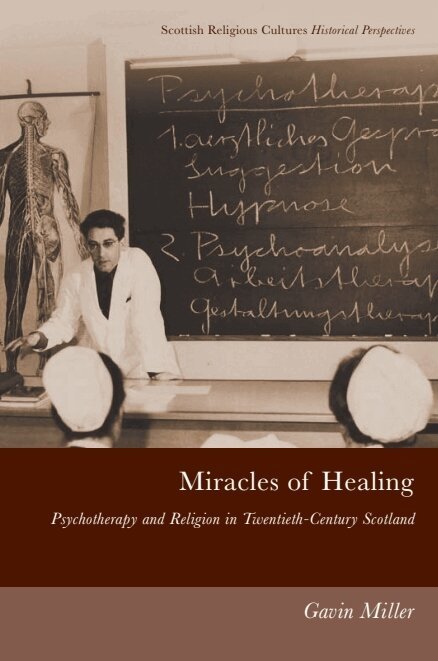
Exploring the entanglement of religion and psychotherapy in twentieth-century ScotlandFar from being washed away by the tide of secularization that swept post-war United Kingdom, one of the ways in which Christianity in Scotland survived, and transformed itself, was by drawing on the alliances that it had built earlier in the century with psychoanalysis and psychotherapy. Psychoanalysis was seen as a way to purify Christianity, and to propel it in a scientifically rational and socially progressive direction. This book draws upon a wealth of archival research to uncover the complex interaction between religion and psychotherapy in twentieth-century Scotland. It explores the practical and intellectual alliance created between the Scottish churches and Scottish psychotherapy that found expression in the work of celebrated figures such as the radical psychiatrist R.D. Laing and the pioneering psychoanalyst W.R.D. Fairbairn, as well as the careers of less well-known individuals such as the psychotherapist Winifred Rushforth.Key Features-Uncovers the hidden alliance between psychoanalytic psychotherapy and Scottish Christianity.-Exposes the continuity running from Christian discourses, practices and organizations to New Age spirituality in Scotland.-Draws on extensive archival research on key figures such as R.D. Laing and organizations such as The Davidson Clinic
297 kr
Skickas inom 7-10 vardagar
Although a tide of secularization swept over the post-war United Kingdom, Christianity in Scotland found one way to survive by drawing on alliances that it had built earlier in the century with psychoanalysis and psychotherapy. Psychoanalysis was seen as a way to purify Christianity, and to propel it in a scientifically rational and socially progressive direction. This book draws upon a wealth of archival research to uncover the complex interaction between religion and psychotherapy in twentieth-century Scotland. It explores the practical and intellectual alliance created between the Scottish churches and Scottish psychotherapy that found expression in the work of celebrated figures such as the radical psychiatrist R.D. Laing and the pioneering psychoanalyst W.R.D. Fairbairn, as well as the careers of less well-known individuals such as the psychotherapist Winifred Rushforth.
3 049 kr
Skickas inom 3-6 vardagar
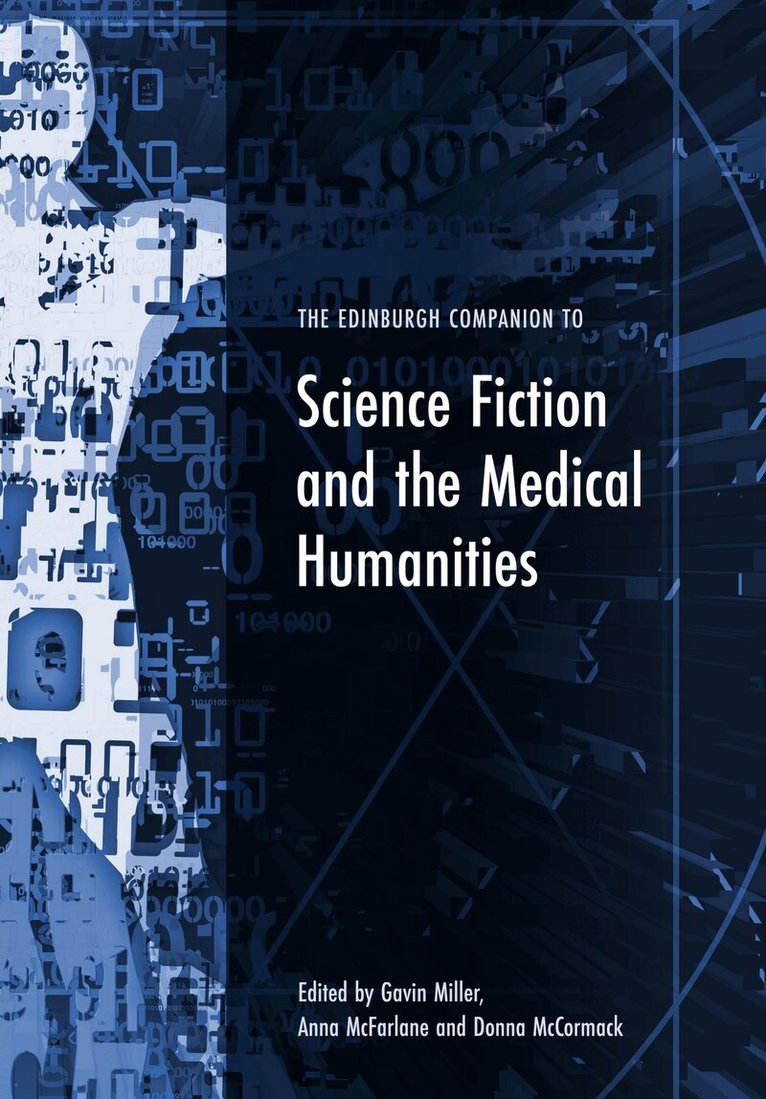
The medical humanities are becoming increasingly important as their first wave is interrogated by a critical approach that aims to uncover the wider possibilities of the field. In conversation with this debate, this volume explores the ways in which science fiction studies can contribute to such discussions. Science fiction challenges techno-optimism and offers a non-realist avenue for the expression of illness experience. Science fiction also estranges its readers from their societies and the medical possibilities inherent in those societies, inviting consideration of how medicine may be complicit with, or opposed to, other structures of power. By engaging these concerns, this Companion volume offers a unique viewpoint on the power of the future to shape the present.
Del 62 - Liverpool Science Fiction Texts & Studies
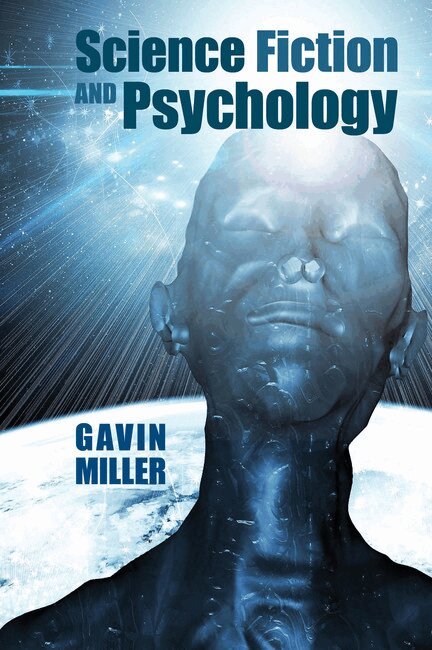
Science Fiction and Psychology
Inbunden, Engelska, 2020
2 129 kr
Skickas inom 7-10 vardagar
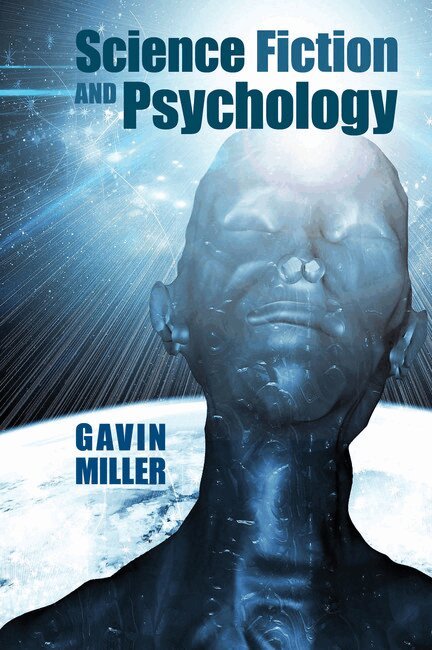
The psychologist may appear in science fiction as the herald of utopia or dystopia; literary studies have used psychoanalytic theories to interpret science fiction; and psychology has employed science fiction as an educational medium. Science Fiction and Psychology goes beyond such incidental observations and engagements to offer an in-depth exploration of science fiction literature’s varied use of psychological discourses, beginning at the birth of modern psychology in the late nineteenth century and concluding with the ascendance of neuroscience in the late twentieth century. Rather than dwelling on psychoanalytic readings, this literary investigation combines with history of psychology to offer attentive textual readings that explore five key psychological schools: evolutionary psychology, psychoanalysis, behaviourism, existential-humanism, and cognitivism. The varied functions of psychological discourses in science fiction are explored, whether to popularise and prophesy, to imagine utopia or dystopia, to estrange our everyday reality, to comment on science fiction itself, or to abet (or resist) the spread of psychological wisdom. Science Fiction and Psychology also considers how psychology itself has made use of science fiction in order to teach, to secure legitimacy as a discipline, and to comment on the present.
Del 62 - Liverpool Science Fiction Texts & Studies
Science Fiction and Psychology
Häftad, Engelska, 2022
548 kr
Skickas inom 7-10 vardagar
The psychologist may appear in science fiction as the herald of utopia or dystopia; literary studies have used psychoanalytic theories to interpret science fiction; and psychology has employed science fiction as an educational medium. Science Fiction and Psychology goes beyond such incidental observations and engagements to offer an in-depth exploration of science fiction literature’s varied use of psychological discourses, beginning at the birth of modern psychology in the late nineteenth century and concluding with the ascendance of neuroscience in the late twentieth century. Rather than dwelling on psychoanalytic readings, this literary investigation combines with history of psychology to offer attentive textual readings that explore five key psychological schools: evolutionary psychology, psychoanalysis, behaviourism, existential-humanism, and cognitivism. The varied functions of psychological discourses in science fiction are explored, whether to popularise and prophesy, to imagine utopia or dystopia, to estrange our everyday reality, to comment on science fiction itself, or to abet (or resist) the spread of psychological wisdom. Science Fiction and Psychology also considers how psychology itself has made use of science fiction in order to teach, to secure legitimacy as a discipline, and to comment on the present.