Gay Watson – författare
Visar alla böcker från författaren Gay Watson. Handla med fri frakt och snabb leverans.
12 produkter
12 produkter
Inbunden, Engelska, 2019
1 985 kr
Skickas inom 10-15 vardagar
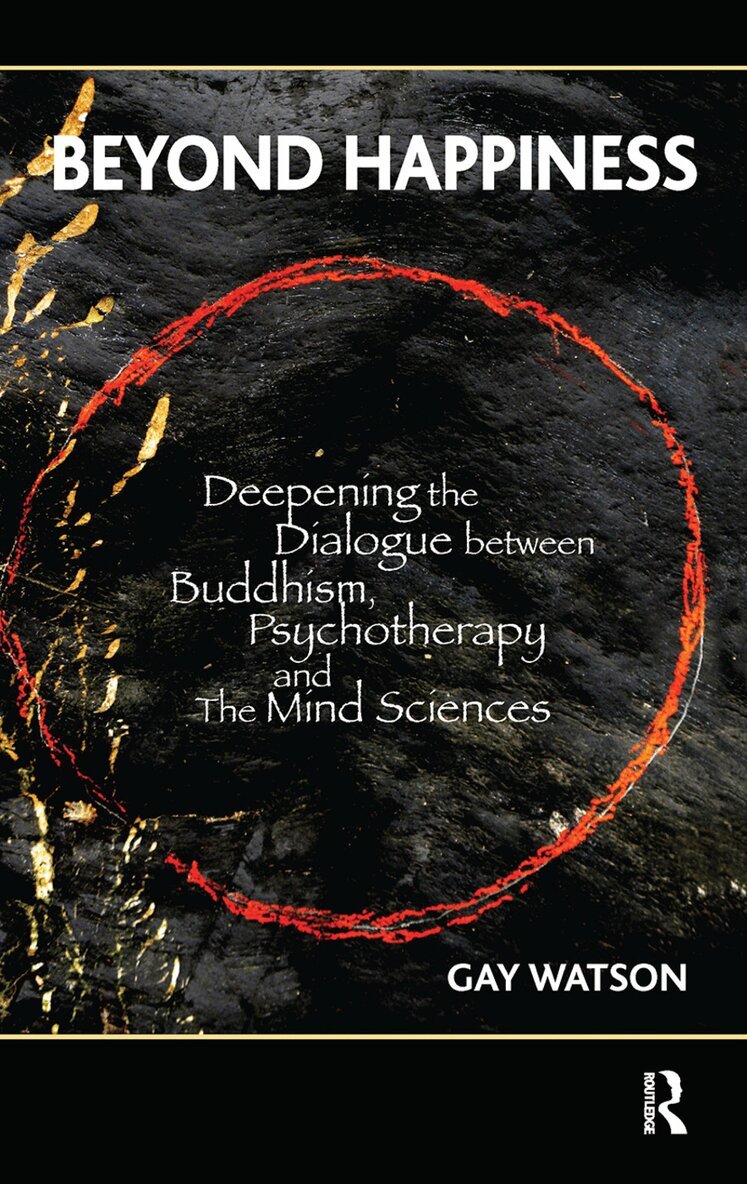
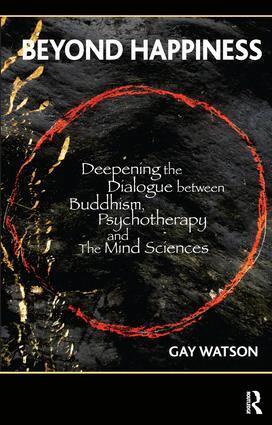
Contemporary mind sciences are revealing facts about the brain and its development that have much to teach us about health and happiness. For a greater part of the twentieth century, psychology and psychotherapy had little to say to one another. Despite Freud's early wish to consider psychoanalysis a science, academic psychology had scant time for what it considered at best an "art" form, while psychotherapy found little interest in psychology's lack of concern with subjective experience. Since the rise of the interdisciplinary fields of cognitive science, neuroscience and consciousness studies and the growth of new technologies, all this has changed. This new knowledge challenges many of our common sense and long-held beliefs. It has important implications for education and health, and illuminates both natural optimal development and the way later therapy may heal early insufficiency. What is perhaps more surprising is that these findings engage with the "first" psychology, that of Buddhism.
E-bok
PDF, Engelska, 2018656 kr
Läs direkt efter köp
Contemporary mind sciences are revealing facts about the brain and its development that have much to teach us about health and happiness. For a greater part of the twentieth century, psychology and psychotherapy had little to say to one another. Despite Freud''s early wish to consider psychoanalysis a science, academic psychology had scant time for what it considered at best an "art" form, while psychotherapy found little interest in psychology''s lack of concern with subjective experience. Since the rise of the interdisciplinary fields of cognitive science, neuroscience and consciousness studies and the growth of new technologies, all this has changed. This new knowledge challenges many of our common sense and long-held beliefs. It has important implications for education and health, and illuminates both natural optimal development and the way later therapy may heal early insufficiency. What is perhaps more surprising is that these findings engage with the "first" psychology, that of Buddhism.
E-bok
Engelska, 2018675 kr
Läs direkt efter köp
Contemporary mind sciences are revealing facts about the brain and its development that have much to teach us about health and happiness. For a greater part of the twentieth century, psychology and psychotherapy had little to say to one another. Despite Freud''s early wish to consider psychoanalysis a science, academic psychology had scant time for what it considered at best an "art" form, while psychotherapy found little interest in psychology''s lack of concern with subjective experience. Since the rise of the interdisciplinary fields of cognitive science, neuroscience and consciousness studies and the growth of new technologies, all this has changed. This new knowledge challenges many of our common sense and long-held beliefs. It has important implications for education and health, and illuminates both natural optimal development and the way later therapy may heal early insufficiency. What is perhaps more surprising is that these findings engage with the "first" psychology, that of Buddhism.
Inbunden, Engelska, 1998
554 kr
Skickas inom 10-15 vardagar
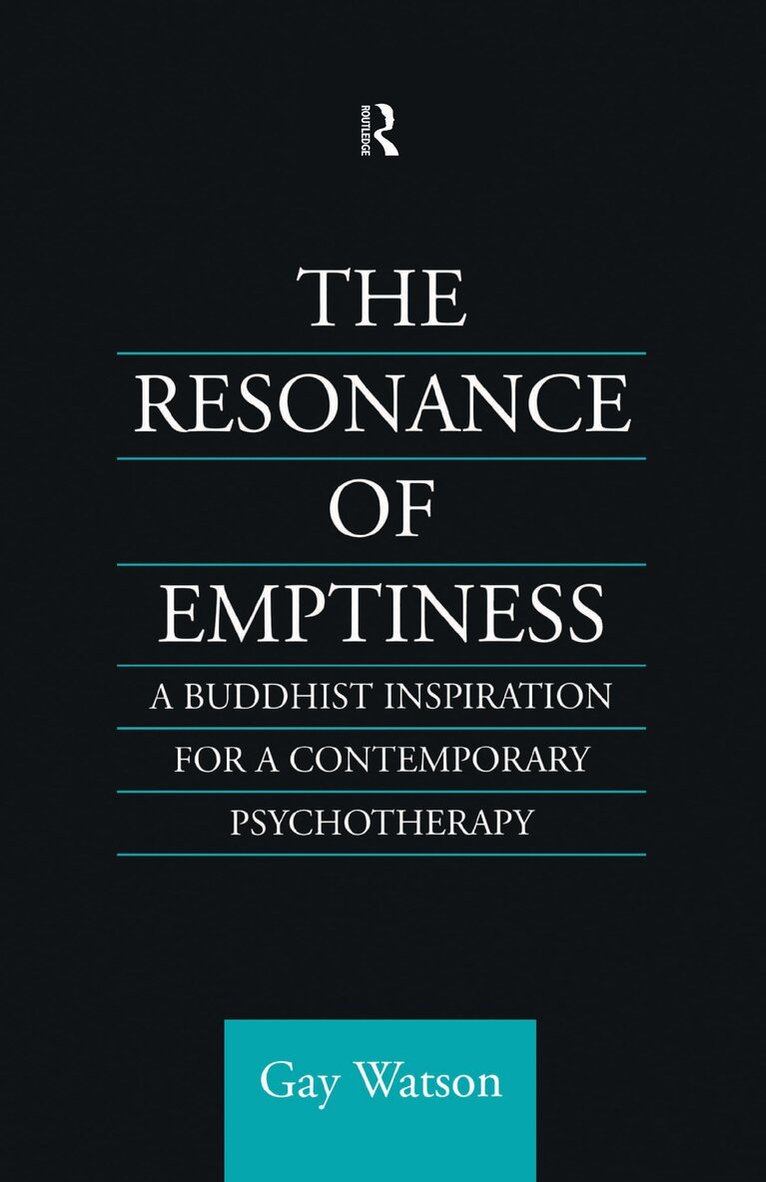
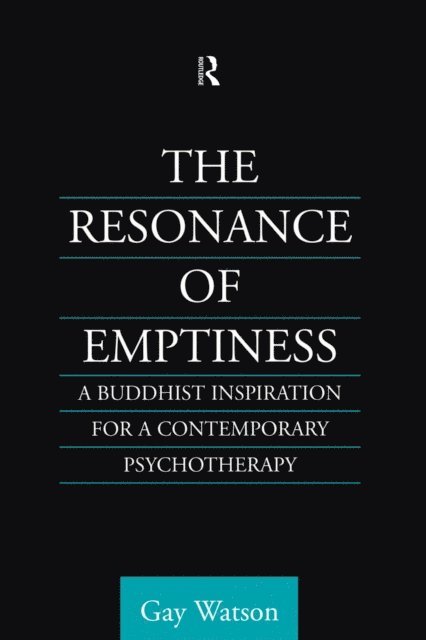
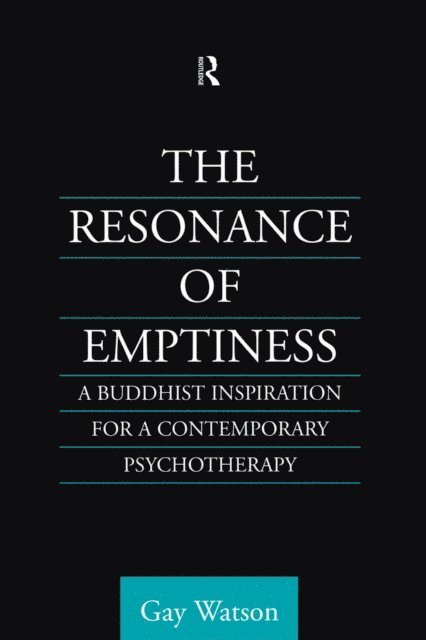
This work presents an exploration of Buddhist philosophy and practice as a potential resource for an approach to psychotherapy which is responsive to the needs of its time and context, and attempts to open up a three-way dialogue between Buddhism, psychotherapy and contemporary discourse to reveal a meaningful theory and practice for a contemporary psychotherapy.
Häftad, Engelska, 2002
344 kr
Skickas inom 10-15 vardagar
This work presents an exploration of Buddhist philosophy and practice as a potential resource for an approach to psychotherapy which is responsive to the needs of its time and context, and attempts to open up a three-way dialogue between Buddhism, psychotherapy and contemporary discourse to reveal a meaningful theory and practice for a contemporary psychotherapy.
E-bok
PDF, Engelska, 2013398 kr
Läs direkt efter köp
This work presents an exploration of Buddhist philosophy and practice as a potential resource for an approach to psychotherapy which is responsive to the needs of its time and context, and attempts to open up a three-way dialogue between Buddhism, psychotherapy and contemporary discourse to reveal a meaningful theory and practice for a contemporary psychotherapy.
E-bok
Engelska, 2013398 kr
Läs direkt efter köp
This work presents an exploration of Buddhist philosophy and practice as a potential resource for an approach to psychotherapy which is responsive to the needs of its time and context, and attempts to open up a three-way dialogue between Buddhism, psychotherapy and contemporary discourse to reveal a meaningful theory and practice for a contemporary psychotherapy.
E-bok
Engelska, 2012140 kr
Läs direkt efter köp
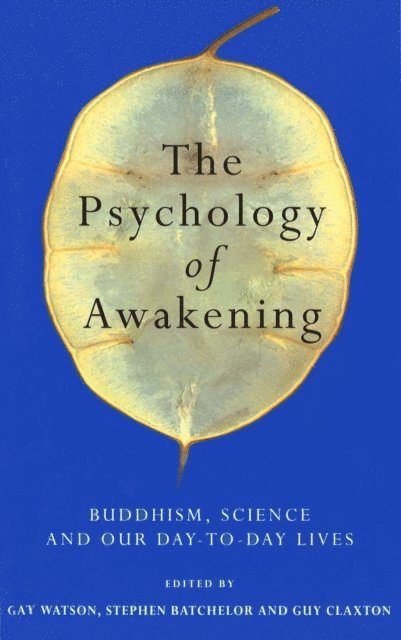
The Buddhist view of the mind - how it works, how it goes wrong, how to put it right - is increasingly being recognised as profound and highly practical by scientists, counsellors and other professionals. In The Psychology of Awakening, this powerful vision of human nature, and its implications for personal and social life, are for the first time brought to a wider audience by some of those most influential in exploring its potential for the way we live today. These include: David Brazier Jon Kabat Zinn Francisco Varela Joy Manne Geshe Thubten Jinpa Mark Epstein Gay Watson Maura Sills Guy Claxton Stephen Batchelor Deeply relevant, accessible and authoritative, The Psychology of Awakening will be of interest to all those who wish to understand the workings of their minds a little better and who are also seeking new ways of mastering the challenges - personal, professional and cultural with which modern life confronts us all.
Häftad, Engelska, 2014
225 kr
Skickas inom 5-8 vardagar
Listening to a performance of John Cage's 4'33", you hear, at first, nothing. Yet on listening more closely, something is heard: the coughs of the audience, the shuffling of paper, gentle muttering. What had seemed to be emptiness is instead something more significant, a meditation on the sounds present even within silence. In A Philosophy of Emptiness, Gay Watson reclaims emptiness as a positive, empowering state, an antidote to the obsession with substance and foundation.Watson offers an alternative view of emptiness. Via a tour of early and non-Western philosophy, she uncovers its rich history, taking us from Buddhism, Taoism and religious mysticism to the contemporary world of philosophy, science and art practice. As Watson argues, the twentieth century has seen the resurgence of emptiness and offers reasons why such an unappealing concept has attracted modern musicians, artists and scientists, as well as pre-eminent thinkers throughout the ages.A Philosophy of Emptiness probes the idea of how a life without transcendence might be lived, and why one might choose it. It links these concepts to current ideas of meditation and the mind, and offers a rich and intriguing take on the idea of emptiness that will appeal to all those with an interest in the history of thought.
Inbunden, Engelska, 2017
191 kr
Skickas inom 5-8 vardagar
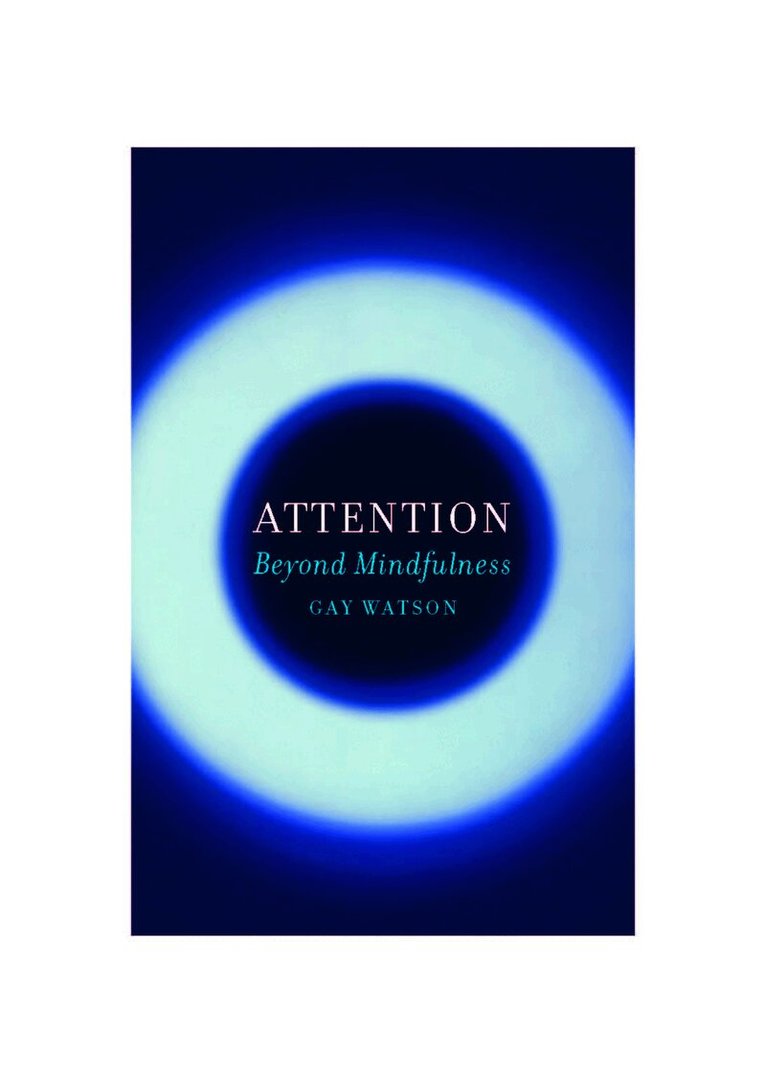
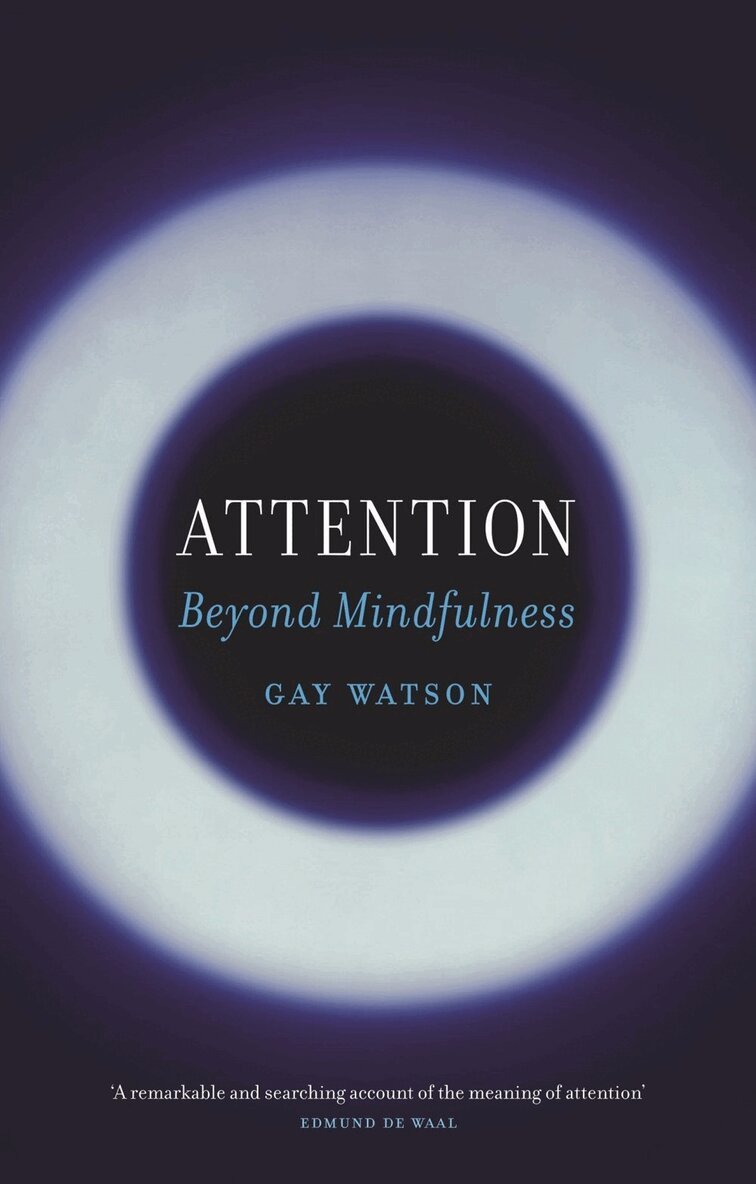
Attention is central to everything we do and think; yet it is usually invisible, transparent, lost behind our fixation with content. We pay attention to this and that moment or we let our attention wander, but we rarely give attention to the process of attending and distraction. It is typically viewed instrumentally, in terms of what it can achieve, and so its process and practice are overlooked, yet it is central to neuroplasticity – the brain’s ability to create new neural pathways in order to adapt – and underlies both the mindfulness revolution and the concern about the influence of new social and digital media.Gay Watson explores attention in action through many disciplines and ways of life, from neuroscience to surfing. The book contains interviews with, among others, John Luther Adams, Stephen Batchelor, Susan Blackmore, Guy Claxton, Edmund de Waal, Rick Hanson, Jane Hirshfield, Iain McGilchrist, Wayne McGregor, Garry Fabian Miller, Alice and Peter Oswald, Ruth Ozeki and James Turrell.A valuable and timely account of something central to our lives yet all too often neglected, this book will appeal to all those who find their attention wandering owing to the distractions and clamour of modern life, and want to know why.
Häftad, Engelska, 2024
149 kr
Skickas inom 5-8 vardagar
Attention is central to everything we do and think, and underlies both the mindfulness revolution and concerns about the influence of social and digital media today.In this book Gay Watson explores attention in action through many disciplines and ways of life, from neuroscience to surfing. The book contains interviews with, among others, John Luther Adams, Stephen Batchelor, Susan Blackmore, Guy Claxton, Edmund de Waal, Rick Hanson, Jane Hirshfield, Iain McGilchrist, Wayne McGregor, Garry Fabian Miller, Alice and Peter Oswald, Ruth Ozeki and James Turrell.A valuable and timely account, this book is essential reading for anyone who finds their attention wandering due to the clamour of modern life, and wants to know why.
Häftad, Engelska, 2008
557 kr
Skickas inom 10-15 vardagar
Contemporary mind sciences are revealing facts about the brain and its development that have much to teach us about health and happiness. For a greater part of the twentieth century, psychology and psychotherapy had little to say to one another. Despite Freud's early wish to consider psychoanalysis a science, academic psychology had scant time for what it considered at best an "art" form, while psychotherapy found little interest in psychology's lack of concern with subjective experience. Since the rise of the interdisciplinary fields of cognitive science, neuroscience and consciousness studies and the growth of new technologies, all this has changed. This new knowledge challenges many of our common sense and long-held beliefs. It has important implications for education and health, and illuminates both natural optimal development and the way later therapy may heal early insufficiency.What is perhaps more surprising is that these findings engage with the "first" psychology, that of Buddhism. Long in dialogue with all forms of psychotherapy for its training in awareness, Buddhist practices are now seen to be of value not only for their transformative potential in individual lives, but also as research tools for subjective exploration.This is the moment to bring neuroscience into the long-established dialogue between psychotherapy and Buddhism to explore a potential path informed by all three disciplines towards mental and physical health and happiness.