G.C. Amstutz – författare
Visar alla böcker från författaren G.C. Amstutz. Handla med fri frakt och snabb leverans.
5 produkter
5 produkter
E-bok
PDF, Engelska, 20121 100 kr
Läs direkt efter köp
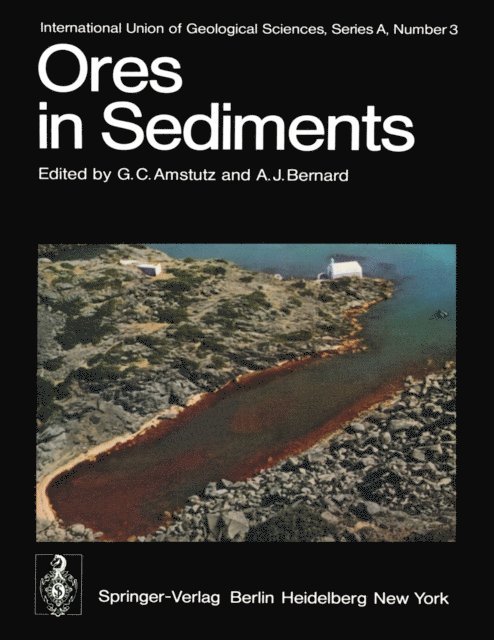
In 1963 the first Symposium on "Ores in Sediments" took place as part of an Inter national Sedimentological Congress. At the end of that first Symposium. the group then assembled adopted a resolution printed in the book which resulted from it (AM STUTZ. 1964, p. 7). and points (3). (4) and (5) read as follows: (3) The group considers the integration of sedimentology in any study of ore deposits in sediments essential to a correct interpretation. A study of the role of sedi mentary processes, including diagenesis, is an important field in pure as well as in applied research on the genesis of mineral deposits. (4) In particular. the group also considers the knowledge of sedimentary rocks and processes (in regard to both. the fabric and the geochemical detail) a prerequi site for the understanding of subsequent metamorphic processes and their pos sible role in the deformation and reconstitution of mineral deposits and host rocks. (5) The group suggests that similar symposia could with advantage be held at future Congresses of the International Association of Sedimentologists. The Editors wish to thank the International Association of Sedimentology for includ ing another Symposium on ore minerals in its Congress program.
E-bok
PDF, Engelska, 20121 367 kr
Läs direkt efter köp
Häftad, Engelska, 2011
1 084 kr
Skickas inom 10-15 vardagar
E-bok
PDF, Engelska, 20121 416 kr
Läs direkt efter köp
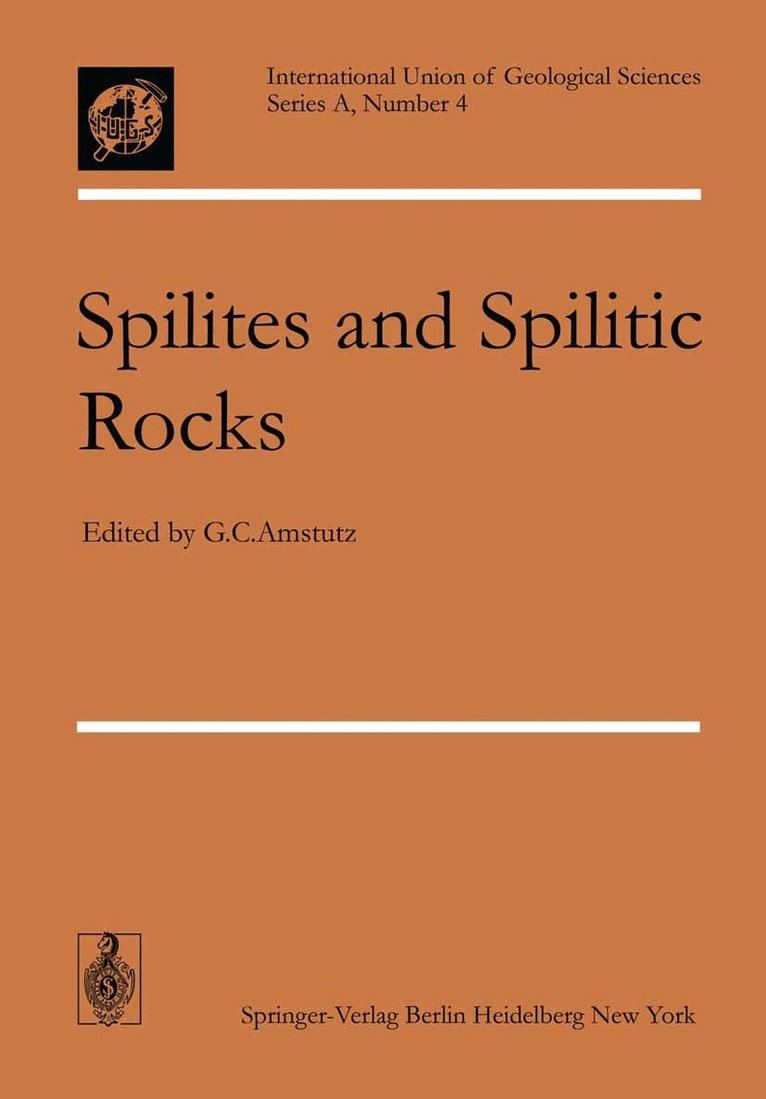
The idea for the present Spilite Volume was born during the Spilite Symposium at the XXIIIrd session of the International Geological Con gress in Prague, 1968. At that time, only a restricted number of petro logists working on spilites was present and, therefore, the group assem bled agreed that a Symposium Volume should also include recent papers by many other spilite specialists. At the same time it was agreed that the papers presented at the Symposium should be returned to the authors for changes and additions. This procedure of upgrading and amending the papers has continued until this year (1973) for various technical and editorial reasons. The information presented here is, therefore, up-to date. To those familiar with the spilite problem it is obvious that the time had come for a review of its state. Also, the existing litera ture had become so voluminous that a monographic review was necessary. Following a modern trend, the authorship for this review was spread among specialists with variable experience. For readers not necessarily familiar with the spilite problem, a brief summary is presented here. A short historical note is followed first by the observations, then by the interpretations, finally by some of the major features of scientific logic as they pertain to the problem of the primary or secondary origin of some of the rocks termed spilites and keratophyres.
Häftad, Engelska, 2012
1 084 kr
Skickas inom 10-15 vardagar
The idea for the present Spilite Volume was born during the Spilite Symposium at the XXIIIrd session of the International Geological Con gress in Prague, 1968. At that time, only a restricted number of petro logists working on spilites was present and, therefore, the group assem bled agreed that a Symposium Volume should also include recent papers by many other spilite specialists. At the same time it was agreed that the papers presented at the Symposium should be returned to the authors for changes and additions. This procedure of upgrading and amending the papers has continued until this year (1973) for various technical and editorial reasons. The information presented here is, therefore, up-to date. To those familiar with the spilite problem it is obvious that the time had come for a review of its state. Also, the existing litera ture had become so voluminous that a monographic review was necessary. Following a modern trend, the authorship for this review was spread among specialists with variable experience. For readers not necessarily familiar with the spilite problem, a brief summary is presented here. A short historical note is followed first by the observations, then by the interpretations, finally by some of the major features of scientific logic as they pertain to the problem of the primary or secondary origin of some of the rocks termed spilites and keratophyres.