Geneviève Souillac – författare
Visar alla böcker från författaren Geneviève Souillac. Handla med fri frakt och snabb leverans.
3 produkter
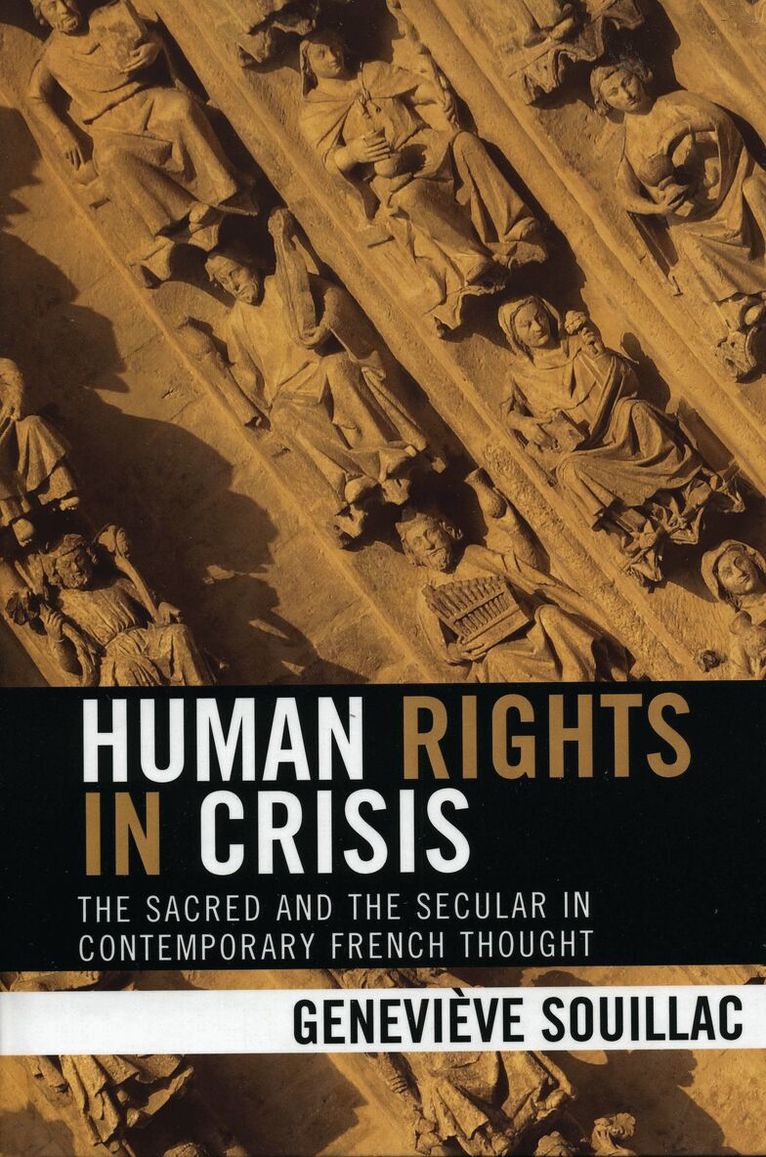
Human Rights in Crisis
The Sacred and the Secular in Contemporary French Thought
Häftad, 2005
598 kr
Lägg i varukorg
In the past ten years, the debate over the crisis in human rights has been waged within academic literature from political science, international relations, and legal and political philosophy. Human Rights in Crisis uniquely documents recent ideas on democracy and human rights in the current French …
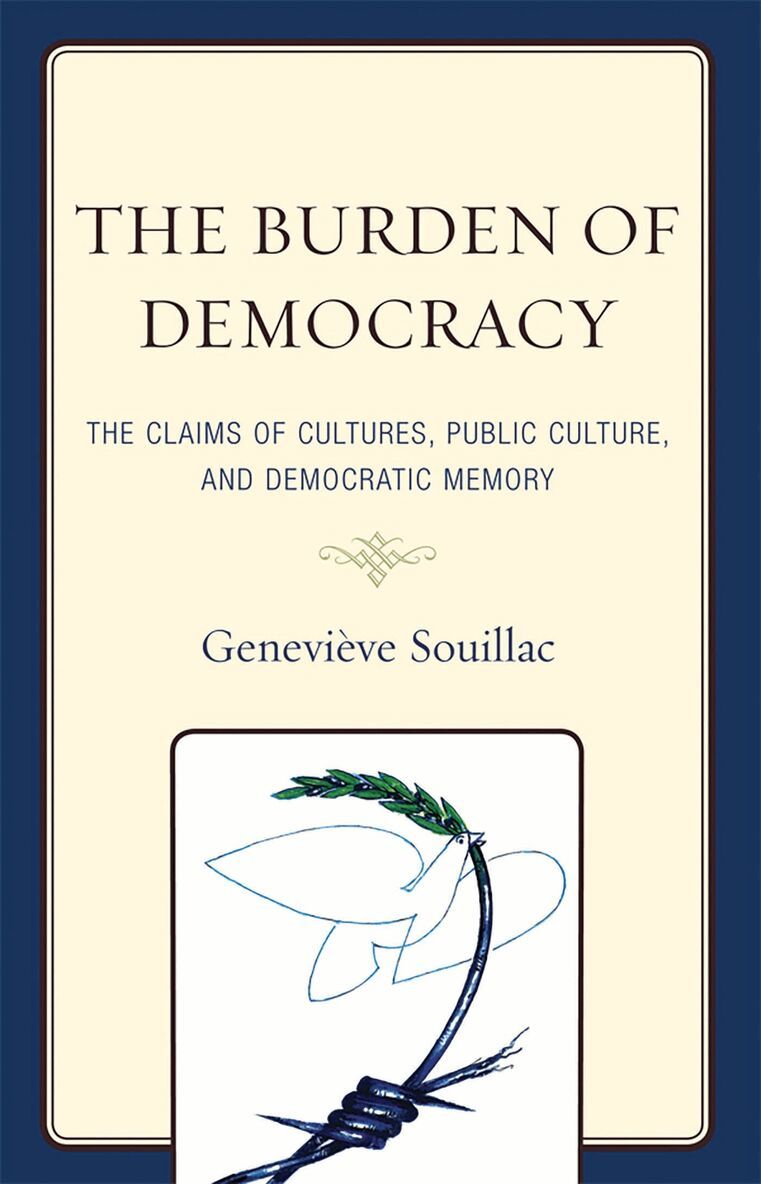
Burden of Democracy
The Claims of Culture, Public Culture, and Democratic Memory
Inbunden, 2011
1345 kr
Lägg i varukorg
This book offers an original contribution to the debate on contemporary democratic ethics. It argues that public culture provides the mediating spaces required for processes of encounter, but should be supplemented with an open dialog on history, memory, and identity. Since democratic modernity is …
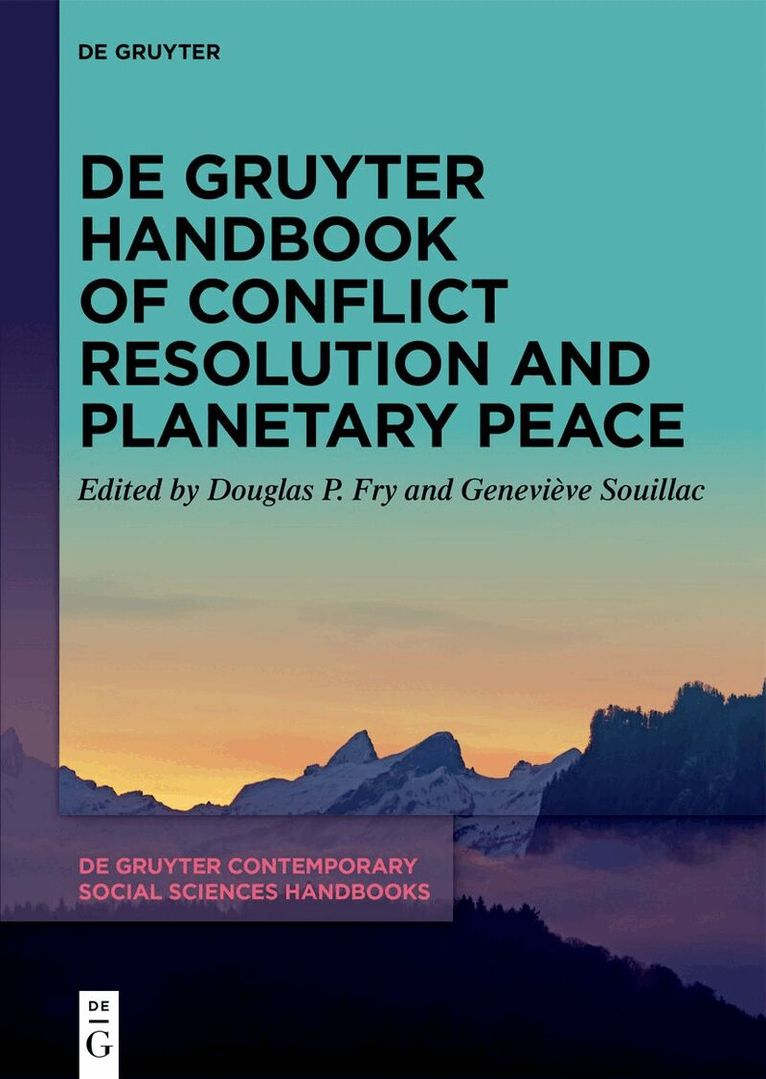
De Gruyter Handbook of Conflict Resolution and Planetary Peace
Av Douglas P. Fry, Geneviève Souillac
Inbunden, 2027
2245 kr
Kommande
The central focus of this handbook is to explore pathways of intergroup conflict resolution and peace against the backdrop of current existential crises, drawing on knowledge and findings from diverse sources and perspectives. A hopeful theme is that there are alternatives to war and violence in …