Geoff Hewitt – författare
Visar alla böcker från författaren Geoff Hewitt. Handla med fri frakt och snabb leverans.
5 produkter
5 produkter
Inbunden, Engelska, 2005
1 903 kr
Skickas inom 7-10 vardagar
The prediction of turbulent flows is of paramount importance in the development of complex engineering systems involving flow, heat and mass transfer, and chemical reactions. Arising from a programme held at the Isaac Newton Institute in Cambridge, this volume reviews the current situation regarding the prediction of such flows through the use of modern computational fluid dynamics techniques, and attempts to address the inherent problem of modelling turbulence. In particular, the current physical understanding of such flows is summarised and the resulting implications for simulation discussed. The volume continues by surveying current approximation methods whilst discussing their applicability to industrial problems. This major work concludes by providing a specific set of guidelines for selecting the most appropriate model for a given problem. Unique in its breadth and critical approach, this book will be of immense value to experienced practitioners and researchers, continuing the UK's strong tradition in fluid dynamics.

Häftad, Engelska, 2010
185 kr
Skickas inom 5-8 vardagar
Del 7 - Studies in Australasian Historical Archaeology
Commonwealth Block, Melbourne
A Historical Archaeology
Häftad, Engelska, 2019
264 kr
Skickas inom 5-8 vardagar
This groundbreaking book reports on almost three decades of excavations conducted on the Commonwealth Block – the area of central Melbourne bordered by Little Lonsdale, Lonsdale, Exhibition and Spring streets.
E-bok
PDF, Engelska, 2008157 kr
Läs direkt efter köp
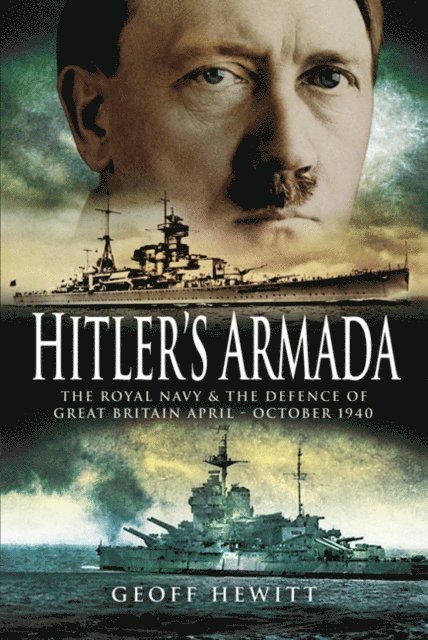
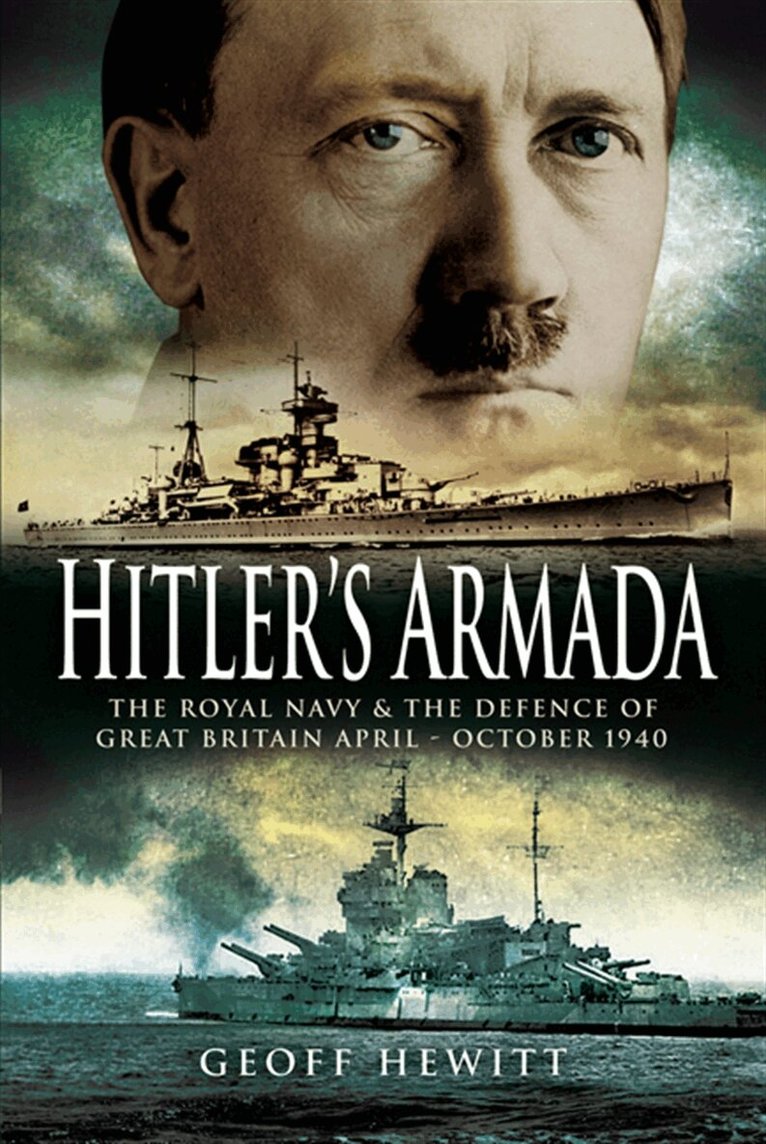
"e;Any historian or general lover of history in Hitler, or the importance of the Germany Navy in WWII, will find this book immensely informative."e; -Nautical Research Journal Hitler's Armada examines the aborted German invasion of 1940 in a fresh and original manner by looking past the myths and legends which have subsequently surrounded it, in order to arrive at significant new conclusions. Presenting fascinating detail of Hitler's Operation SEALION, author and historian Geoff Hewitt analyzes the German campaign's weaknesses, demonstrating that control of the sea, not the air, was the critical factor in the operation's failure. Hewitt questions the traditional British view that the Battle of Britain was the key factor in the prevention of Nazi invasion. Presenting the often overlooked importance of the Royal Navy during this period, Hewitt brings into sharp focus, possibly for the first time, the strategic dispositions of the Royal Navy anti-invasion forces. By focusing on the conflict between air and sea power in the months leading up to the summer of 1940, Hewitt challenges the supremacy of air power during this stage of the war. Thought-provoking and controversial, Hitler's Armada presents a compelling investigation of this historic turning point in the Second World War.
123 kr
Läs direkt efter köp
Hitler's Armada examines the aborted German invasion of 1940 in a fresh and original manner by looking past the myths and legends which have subsequently surrounded it, in order to arrive at significant new conclusions by referring back to the actual events.The book presents fascinating detail of Hitler's Operation SEALION and, by study of its weaknesses, demonstrates that control of the sea, not the air, was the critical factor. It also questions whether the traditional British view of the importance of the Battle of Britain as the key factor in the prevention of invasion is really tenable.The importance of the Royal Navy during this period, generally overlooked, is brought into sharp focus and, possibly for the first time, the actual dispositions of the Royal Navy anti-invasion forces are presented in detail. The author examines the relative strengths of the two sides drawing interesting conclusions about the inadequacies of the German resources particularly and their reliance on mine laying.The author discusses the conflict between air and sea power in the months leading up to the summer of 1940, concluding that, at this stage of the Second World war, air power was far from supreme.The findings of the author may be controversial, but the process by which they are reached strongly supports their validity.