Geoff M. Boucher - Böcker
Visar alla böcker från författaren Geoff M. Boucher. Handla med fri frakt och snabb leverans.
5 produkter
5 produkter
1 454 kr
Skickas inom 7-10 vardagar
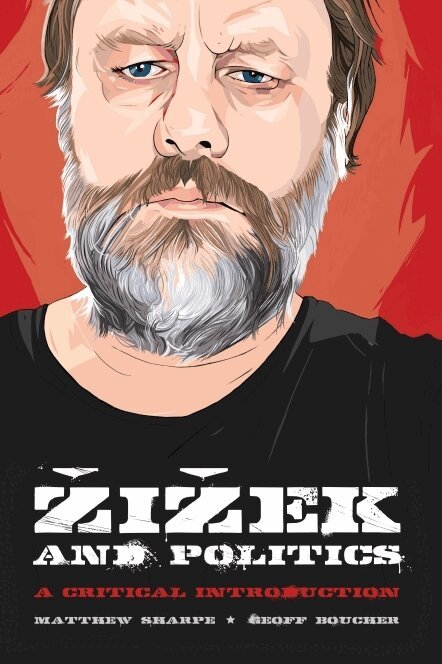
This book provides students and experts alike with a new kind of introduction to Slavoj Zizek's political theory. Going beyond recounting Zizek's positions on ideology, capitalism, Leninism, Stalinism, fascism, and related matters, it offers readers an argumentative reconstruction of Zizek's ideas which places his prolific output in critical dialogue with political philosophy, critical theory, and the history of ideas.But this reconstruction is also a cautionary tale. It argues that Zizek, since 1995, has turned away from the Lacanian and Hegelian insights that made his first works so ground-breaking. Instead, Zizek and Politics examines how he has come to embrace a much more bleak, neo-Hobbesian position whose political implications are profoundly ambivalent.Key Features*Surveys all of Zizek's works from 1989 to 2008, focusing on the way his ideas concerning politics have developed*Includes concise reconstructions of Zizek's key political and philosophical ideas including ideology, the subject, the symptom, the ideological fantasy and the superego*Brings Zizek's ideas into dialogue with other key political thinkers and traditions*Situates Zizek's ideas in terms of contemporary political debates about the nature of justice, democracy, law and violence*Makes a new argument about Zizek's politics, moving debates concerning his work on to new terrain and putting the manifold criticisms of Zizek's work on a new footing
435 kr
Skickas inom 7-10 vardagar
This book provides students and experts alike with a new kind of introduction to Slavoj Zizek's political theory. Going beyond recounting Zizek's positions on ideology, capitalism, Leninism, Stalinism, fascism, and related matters, it offers readers an argumentative reconstruction of Zizek's ideas which places his prolific output in critical dialogue with political philosophy, critical theory, and the history of ideas.But this reconstruction is also a cautionary tale. It argues that Zizek, since 1995, has turned away from the Lacanian and Hegelian insights that made his first works so ground-breaking. Instead, Zizek and Politics examines how he has come to embrace a much more bleak, neo-Hobbesian position whose political implications are profoundly ambivalent.Key Features*Surveys all of Zizek's works from 1989 to 2008, focusing on the way his ideas concerning politics have developed*Includes concise reconstructions of Zizek's key political and philosophical ideas including ideology, the subject, the symptom, the ideological fantasy and the superego*Brings Zizek's ideas into dialogue with other key political thinkers and traditions*Situates Zizek's ideas in terms of contemporary political debates about the nature of justice, democracy, law and violence*Makes a new argument about Zizek's politics, moving debates concerning his work on to new terrain and putting the manifold criticisms of Zizek's work on a new footing
191 kr
Skickas inom 5-8 vardagar
1 140 kr
Skickas inom 7-10 vardagar
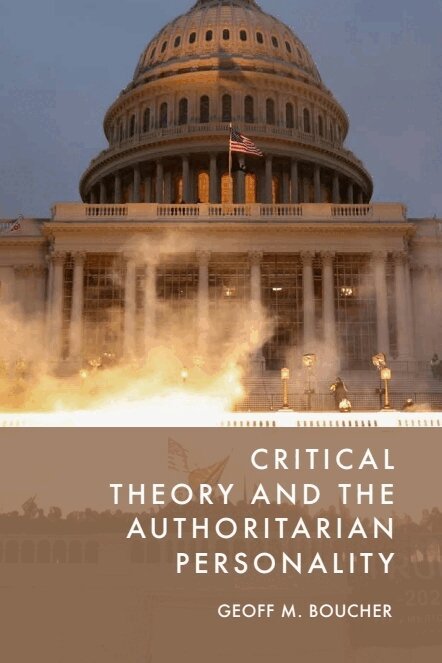
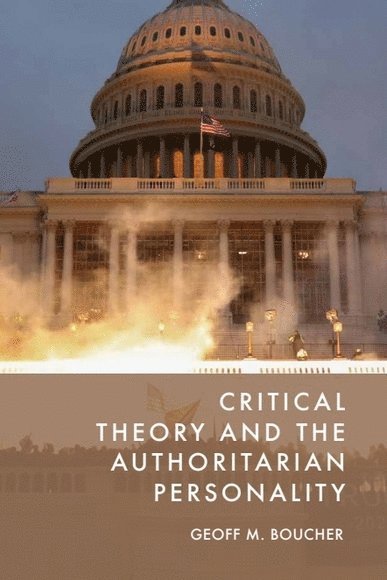
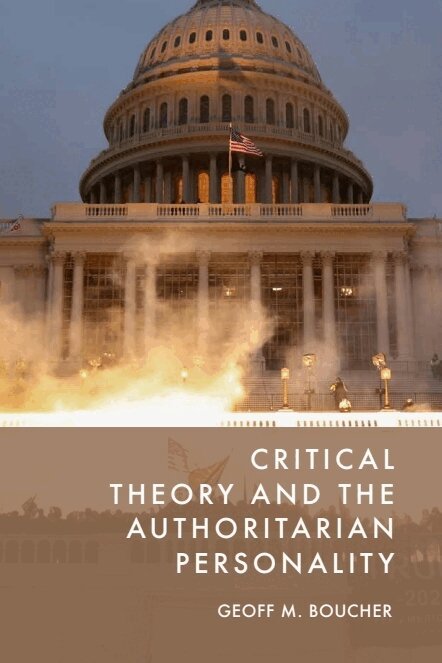
The worldwide resurgence of authoritarianism has sparked renewed interest in the Frankfurt School theory of the authoritarian personality, not as a topic of academic debate but as an urgent political factor. Critical Theory and the Authoritarian Personality brings Theodor Adorno's critique up-to-date in light of new forms of authoritarian politics, recent kinds of authoritarian propaganda and current findings about authoritarian personalities. Drawing on the work of Slavoj Zizek and the psychoanalysis of Jacques Lacan, this is the first sustained application of psychoanalytic theory to the problem of the authoritarian personality since the classical work of the Frankfurt School. It explores a pressing problem the resurgence of the radical Right and proposes new solutions, grounded in the idea of an affective approach to authoritarian politics as something based on transgressive fantasies and political anxieties. Throughout, the book illustrates its theoretical claims with reference to new kinds of authoritarian literature, which today forms an important part of right-wing propaganda.
297 kr
Kommande
The worldwide resurgence of authoritarianism has sparked renewed interest in the Frankfurt School theory of the authoritarian personality, not as a topic of academic debate but as an urgent political factor. Critical Theory and the Authoritarian Personality brings Theodor Adorno’s critique up-to-date in light of new forms of authoritarian politics, recent kinds of authoritarian propaganda and current findings about authoritarian personalities. Drawing on the work of Slavoj Zizek and the psychoanalysis of Jacques Lacan, this is the first sustained application of psychoanalytic theory to the problem of the authoritarian personality since the classical work of the Frankfurt School. It explores a pressing problem—the resurgence of the radical Right—and proposes new solutions, grounded in the idea of an affective approach to authoritarian politics as something based on transgressive fantasies and political anxieties. Throughout, the book illustrates its theoretical claims with reference to new kinds of authoritarian literature, which today forms an important part of right-wing propaganda.