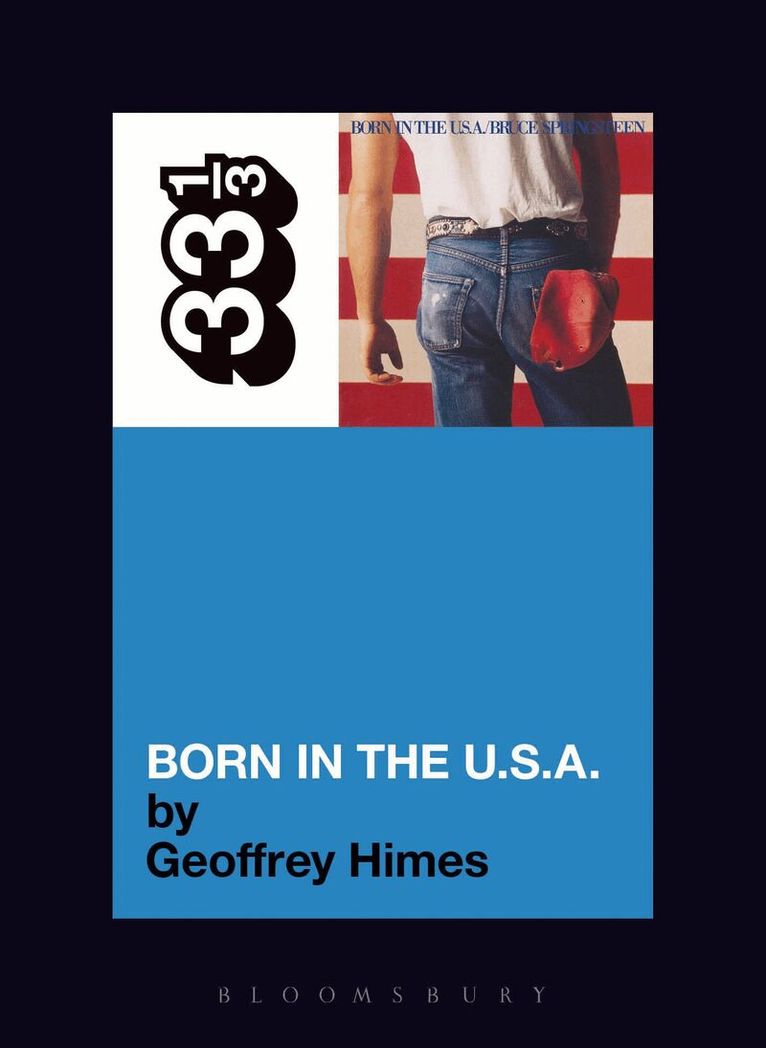
When Bruce Springsteen went back on the road in 1984, he opened every show by shouting out, "one, two, one, two, three, four," followed by the droning synth chords of "Born in the USA". Max Weinberg hit his drums with a two-fisted physicality that cut through the swelling chords. With a rolled-up red kerchief around his head and heavy black boots under his faded jeans, Springsteen looked like the character of the song, and from the very first line ("Born down in a dead man's town") he sang with the throat-scraping desperation of a man with his back against the wall. When he reached the crucial lines, though, the guitars and bass dropped out and Weinberg switched to just the hi-hat. Springsteen's voice grew a bit more private and reluctant as he sang, "Nowhere to run. Nowhere to go". It was as if he weren't sure if this were an admission of defeat or the drawing of a line in the sand. But when the band came crashing back at full strength - building a crescendo that fell apart in the cacophony of Springsteen's and Weinberg's wild soloing, paused and then came together again in the determined, marching riff - it was clear that the singer was ready to make a stand.
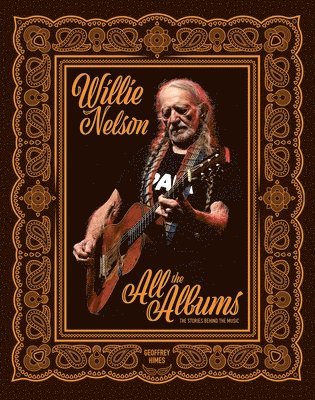
Journey through Willie Nelson’s rebellious, prolific, and enduring career with this richly illustrated tour of the beloved singer-songwriter’s 100-plus albums.Few musicians or celebrities are as widely adored as Willie Nelson. The legendary Texas singer-songwriter is still recording and performing music well into his nineties. In this photo-filled coffee-table gift book, noted country/roots/Americana music writer Geoffrey Himes traces Nelson’s entire career through the lens of his albums, examining:Nelson’s influences and early career as a songwriterThe circumstances of each album’s writing and recordingStudio musicians and personnelHow each album fit into Nelson’s career arc and the evolution of his craftIn addition, Himes offers a sidebar for each album that includes:An image of the album sleeveRecording and release datesSingle releasesChart positions for singles and albumsAlong the way, read about Nelson’s film roles, notable collaborators, famous Fourth of July picnics, iconic Martin guitar “Trigger,” and involvement in causes like Farm Aid, biodiesel fuels, and marijuana legalization. The text, together with more than 250 images of Nelson on- and offstage, make for a unique and visually entertaining celebration of an American treasure who has transcended America’s increasing polarization to become a national treasure.
When Bruce Springsteen went back on the road in 1984, he opened every show by shouting out, "one, two, one, two, three, four," followed by the droning synth chords of "Born in the U.S.A." Max Weinberg hit his drums with a two-fisted physicality that cut through the swelling chords. With a rolled-up red kerchief around his head and heavy black boots under his faded jeans, Springsteen looked like the character of the song, and from the very first line ("Born down in a dead man''s town") he sang with the throat-scraping desperation of a man with his back against the wall. When he reached the crucial lines, though, the guitars and bass dropped out and Weinberg switched to just the hi-hat. Springsteen''s voice grew a bit more private and reluctant as he sang, "Nowhere to run. Nowhere to go." It was as if he weren''t sure if this were an admission of defeat or the drawing of a line in the sand. But when the band came crashing back at full strength-building a crescendo that fell apart in the cacophony of Springsteen''s and Weinberg''s wild soloing, paused and then came together again in the determined, marching riff-it was clear that the singer was ready to make a stand.
The artists and music that combine backstreet musical sensibilities and main-street storytelling.Not so long ago, certain rock circles looked askance at Bruce Springsteen, a millionaire stadium act who had abandoned his roots in smoky blue-collar clubs. But then a funny thing happened: a number of bands across the US, raised on the sonics and cynicism of punk and alternative rock, began drawing comparisons to The Boss thanks to rich narrative lyrics that addressed the same subject matter, from shady characters and dead-end jobs to unreliable partners and even more unreliable cars. Veteran music journalist Geoffrey Himes coined these musicians “E Street Punks” in reference to Springsteen’s legendary backing band. The bands that Himes names to this canon are bound by their common willingness to embrace both Springsteen’s lyrical aesthetic and to adapt older American styles to punk’s loud-fast ethos, including rockabilly, honky-tonk, blues, garage rock, Celtic folk, Tex-Mex, and Southern soul:Drive-By TruckersThe Hold SteadyJason IsbellAlejandro EscovedoJon Dee GrahamLuceroBottle RocketsDropkick MurphysHimes’s narratives draw on decades of interviews with the artists, as well as new interviews conducted for this book. Himes’s text is supplemented with a selection of photos, creating the definitive story of this essential school of rock. If you are a fan of any of these bands or just an American music history buff, E Street Punks is a must-read volume.