Geoffrey Summers - Böcker
Visar alla böcker från författaren Geoffrey Summers. Handla med fri frakt och snabb leverans.
2 produkter
2 produkter
Del 145 - Oriental Institute Publications
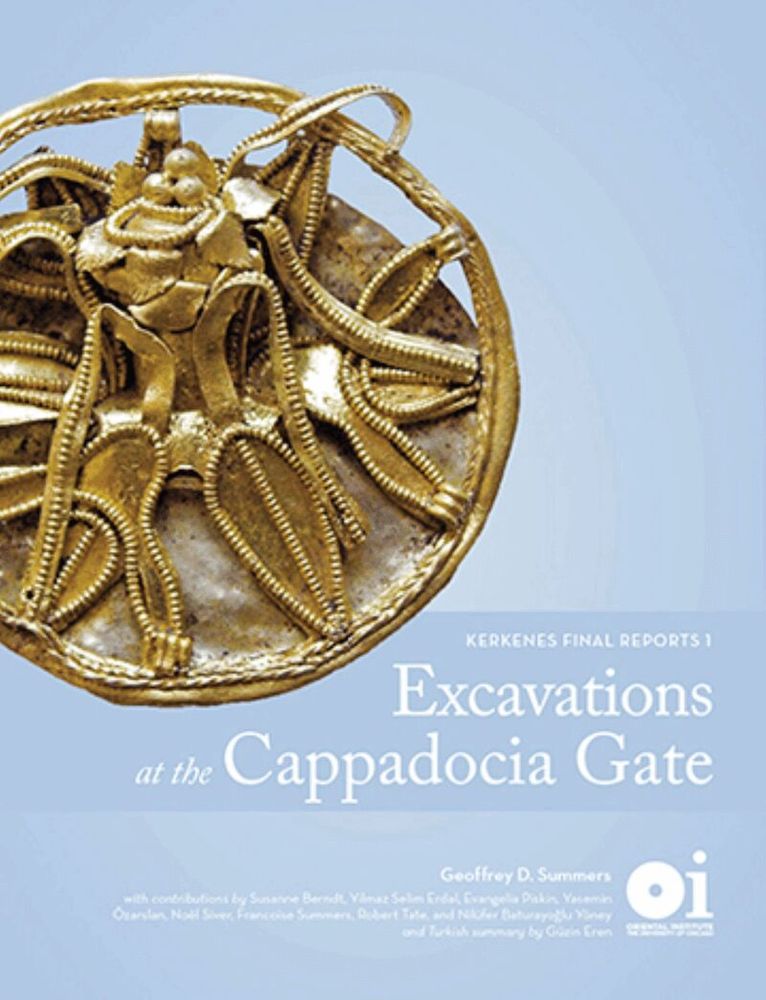
Excavations at the Cappadocia Gate
Kerkenes Final Reports 1
Inbunden, Engelska, 2021
2 233 kr
Tillfälligt slut
The city on the Kerkenes Dag in the high plateau of central Turkey was a new Iron Age capital, very probably Pteria. Founded in the later seventh century BC, the city was put to the torch in the mid sixth century and then abandoned. Between 1999 and 2011 what we have called the Cappadocia Gate, one of the seven city gates that pierce the 7 km of strong stone defenses, was excavated in its entirety. This volume documents as fully as possible the results of those excavations, and includes a seven-page summary in Turkish.The location of the gate and its architecture are discussed and illustrated, with a chapter devoted to its partial restoration. Cultic installations within the gate structure include a built stepped monument with semi-iconic idol, an aniconic stela, and graffiti representing similar stones. Sculpture set up at the back of the gate comprised many fragments of a life-sized statue supported by a plinth bearing adorsed sphinxes carved in relief. The remains of two human victims of the destruction are examined, as are animal bones that perhaps provide evidence of meals consumed by builders of the gate. A final chapter attempts to place these remarkable discoveries in a wider context. The gate plan and the cultic installations and sculpture set up inside the gate appear to be entirely Phrygian. Combined with evidence of Paleo-Phrygian inscription and graffiti already published (OIP 135), this volume sheds dramatic new and unexpected evidence for the power, wealth, and sophistication of an eastward expansion of Phrygia. The brief existence, hardly more than 100 years, together with the excellent stratigraphic context of the destruction level, provide an unparalleled window onto the first half of the sixth century BC on the Anatolian Plateau.
Del 148 - Oriental Institute Publications
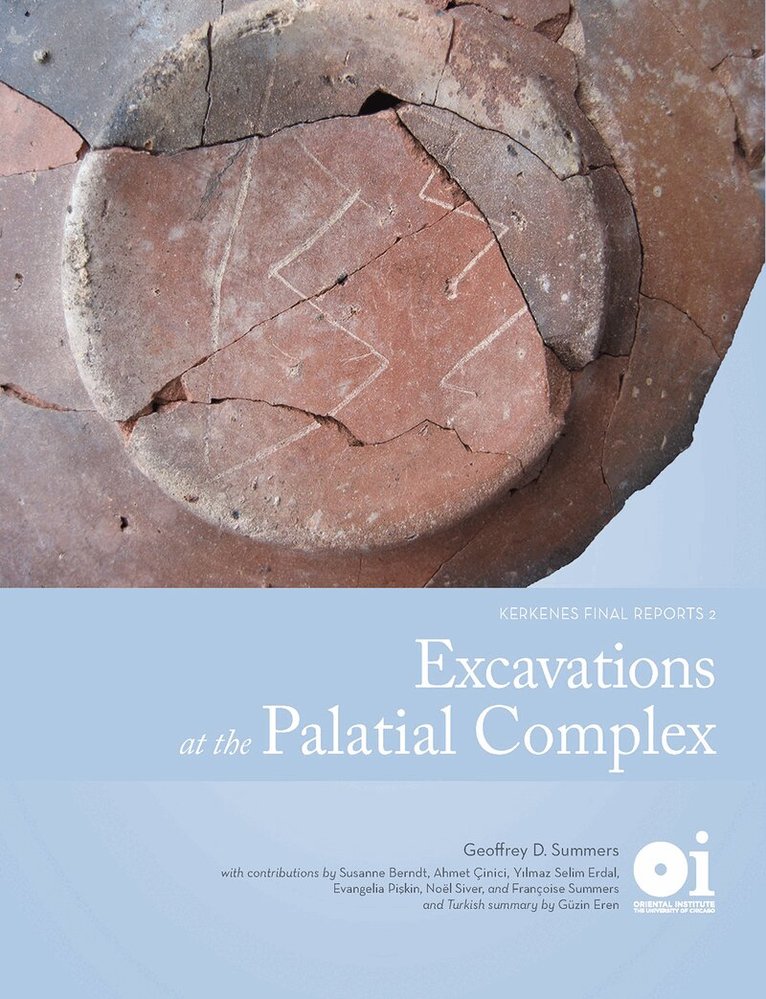
Excavations at the Palatial Complex
Kerkenes Final Reports 2
Inbunden, Engelska, 2023
2 233 kr
Skickas inom 5-8 vardagar
The city on the Kerkenes Dağ in the high plateau of central Turkey was a new Iron Age capital, very probably Pteria. Founded in the later seventh century BC, the city was put to the torch in the mid-sixth century and then abandoned. Excavations at what we have identified as the Palatial Complex were conducted between 1999 and 2005. The stone glacis supporting the Fortified Structure at the eastern end of the complex was revealed in its entirety while the greater portion of the Monumental Entrance was uncovered. Portions of buildings within the complex were also excavated, notably one-half of the heavily burned Ashlar Building, one corner of the Audience Hall, and parts of other structures. This volume documents as fully as possible the results of those excavations with the exception of sculpture, some bearing Paleo-Phrygian inscription, already published (OIP 135). The location of the complex, its development from foundation to destruction, and its architecture are discussed and illustrated. Within the Monumental Entrance were extraordinary, unexpected, semi-iconic stone idols, and other embellishments that include stone blocks with bolsters, bases for large freestanding wooden columns, and stone plinths. Extensive use was made of iron in combination with timber-framed façades and large double-leafed doors. Objects of gold, silver, copper alloys, and iron attest to former splendor. Organization of the volume is roughly chronological, beginning with the Fortified Structure, and concluding with the Monumental Entrance. Presentation of material culture is organized with an emphasis on context. Specialist chapters report on alphabetic and nonalphabetic graffiti and masons' marks, animal bones among which was found the jawbone of a dolphin, and a Byzantine-period burial. This volume provides further dramatic and surprising new evidence for the power, wealth, and sophistication of an eastward expansion of Phrygian culture exemplified by architecture, cultic imagery, Paleo-Phrygian inscriptions and graffiti, pottery, and artifacts. The brief existence of this extraordinary city, hardly more than one hundred years, together with the excellent stratigraphic context provided by the destruction level, offer an unparalleled window onto the first half of the sixth century BC on the Anatolian Plateau.