Geoffrey V. Davis – författare
2 195 kr
Skickas inom 10-15 vardagar
2 661 kr
Skickas inom 10-15 vardagar
2 195 kr
Skickas inom 10-15 vardagar
2 479 kr
Skickas inom 10-15 vardagar
2 435 kr
Skickas inom 10-15 vardagar
684 kr
Skickas inom 10-15 vardagar
585 kr
Skickas inom 10-15 vardagar
600 kr
Skickas inom 10-15 vardagar
675 kr
Skickas inom 10-15 vardagar
585 kr
Skickas inom 10-15 vardagar
2 052 kr
Skickas inom 10-15 vardagar
2 830 kr
Skickas inom 10-15 vardagar
755 kr
Skickas inom 10-15 vardagar
858 kr
Läs direkt efter köp
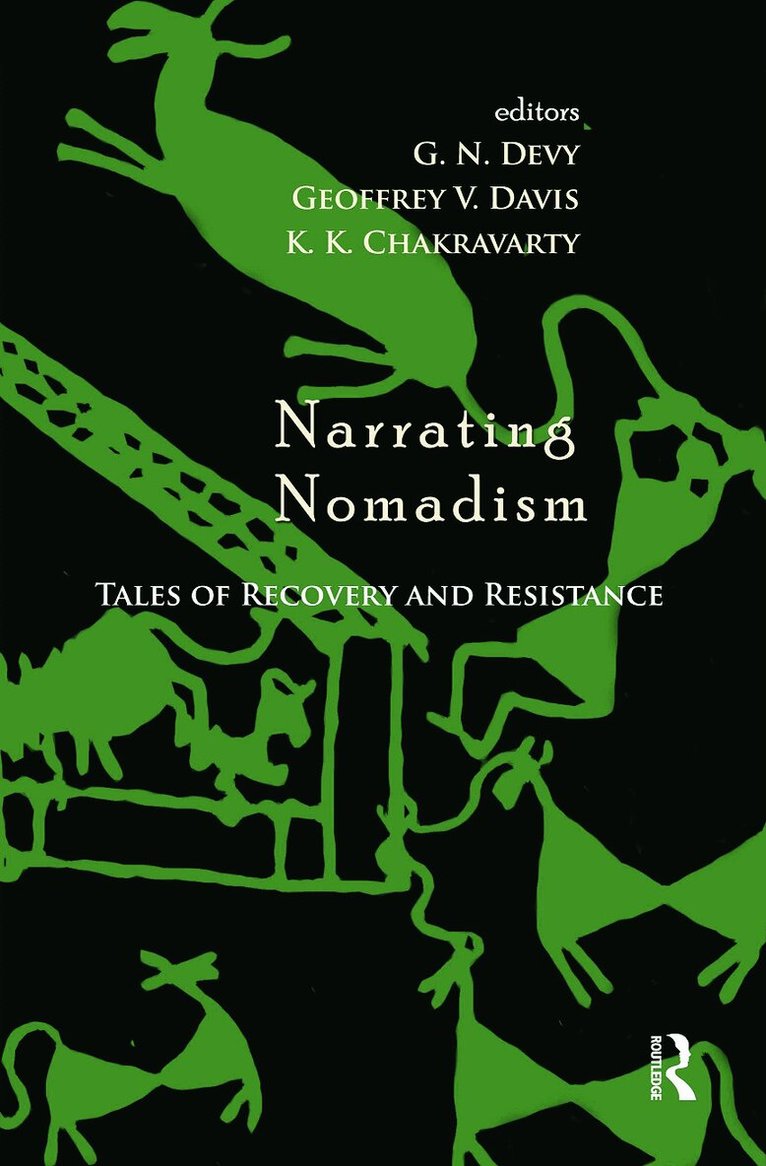
Narrating Nomadism provides an unflinching account of ethnic groups and nomadic communities across the world that were branded as ‘criminal’ during colonial times. It explores the tragic effect of the new identity imposed on them, the traumatic survival of these communities and cultures, and the creative expression of this experience in their arts and literature in the form of resistance.
Presenting specific contexts and locations of cultural devastation in history, the volume traces colonial social imagination as such, showing how the grossly misperceived non-sedentary communities in the colonies were subjected to the mission of ‘settling’ them. The essays presented here document these alternative histories from perspectives ranging from literary criticism and art history to ethnography and socio-linguistics, highlighting in what ways different nomadic communities negotiate discrimination and challenge in contemporary times, while finding remarkable convergence in their local histories and collective testimonies.
This anthology opens up a new area in postcolonial studies as well as cultural anthropology by bringing the viewpoint of marginalized communities and their cultural rights to bear upon history, society and culture. It places an activist’s ‘view from below’ at the centre of literary interpretation, engages with oral history more substantially than folklore studies usually do, and brings together several historical narratives hitherto unexplored. This will be essential for students of anthropology, sociology, cultural studies, history, linguistics, post-colonial studies, literature and tribal studies, as well as the general reader.
828 kr
Läs direkt efter köp
Narrating Nomadism provides an unflinching account of ethnic groups and nomadic communities across the world that were branded as ‘criminal’ during colonial times. It explores the tragic effect of the new identity imposed on them, the traumatic survival of these communities and cultures, and the creative expression of this experience in their arts and literature in the form of resistance.
Presenting specific contexts and locations of cultural devastation in history, the volume traces colonial social imagination as such, showing how the grossly misperceived non-sedentary communities in the colonies were subjected to the mission of ‘settling’ them. The essays presented here document these alternative histories from perspectives ranging from literary criticism and art history to ethnography and socio-linguistics, highlighting in what ways different nomadic communities negotiate discrimination and challenge in contemporary times, while finding remarkable convergence in their local histories and collective testimonies.
This anthology opens up a new area in postcolonial studies as well as cultural anthropology by bringing the viewpoint of marginalized communities and their cultural rights to bear upon history, society and culture. It places an activist’s ‘view from below’ at the centre of literary interpretation, engages with oral history more substantially than folklore studies usually do, and brings together several historical narratives hitherto unexplored. This will be essential for students of anthropology, sociology, cultural studies, history, linguistics, post-colonial studies, literature and tribal studies, as well as the general reader.
727 kr
Läs direkt efter köp
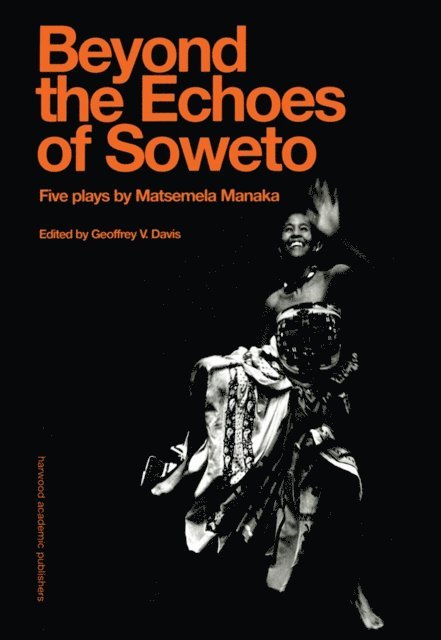
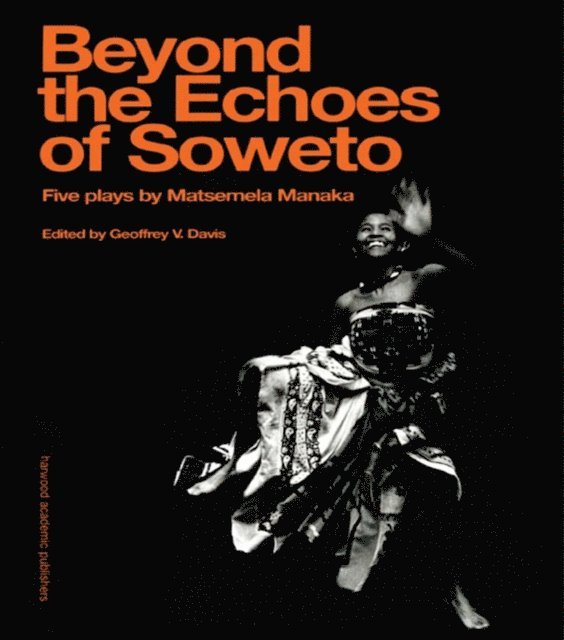
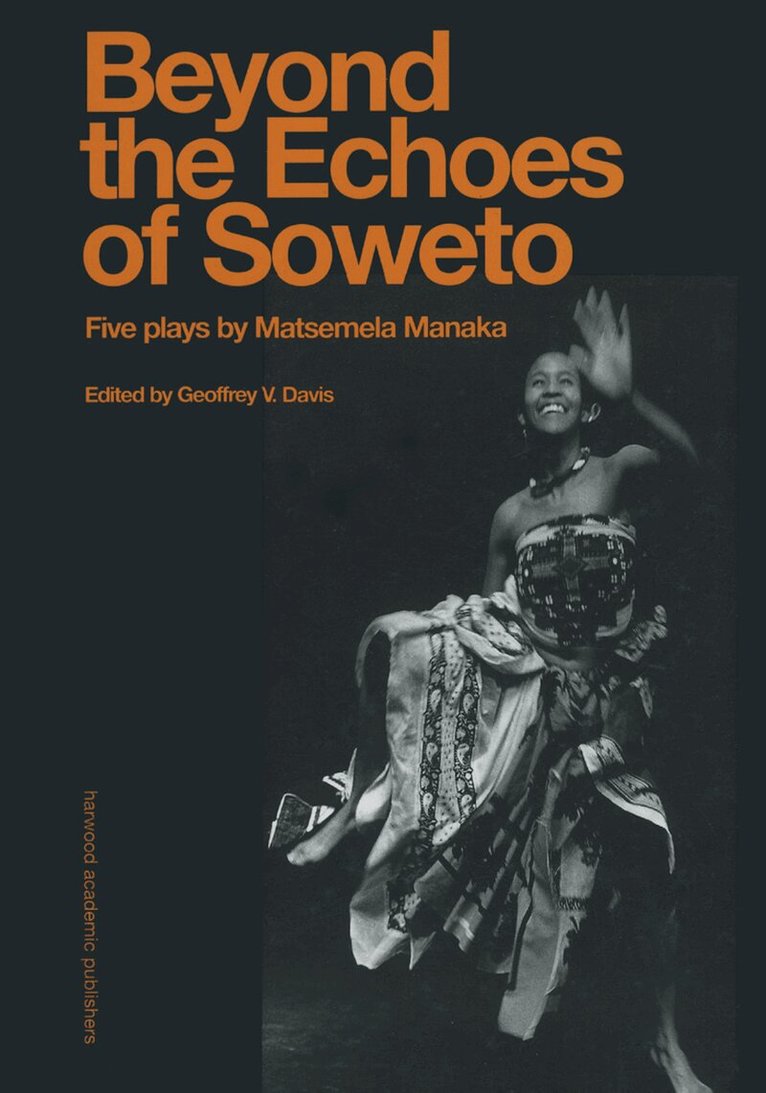
This book provides the reader with a comprehensive view of Matsemela Manaka''s plays, namely, Egoli, Pula, Children of Asazi, Toro, and Goree and discusses three of his essays: ''Theatre of the dispossessed'', ''The Babalaz people'', and ''Theatre as a physical word''.
702 kr
Läs direkt efter köp
This book provides the reader with a comprehensive view of Matsemela Manaka''s plays, namely, Egoli, Pula, Children of Asazi, Toro, and Goree and discusses three of his essays: ''Theatre of the dispossessed'', ''The Babalaz people'', and ''Theatre as a physical word''.
774 kr
Läs direkt efter köp
774 kr
Läs direkt efter köp
665 kr
Läs direkt efter köp
665 kr
Läs direkt efter köp
769 kr
Läs direkt efter köp
797 kr
Läs direkt efter köp
690 kr
Läs direkt efter köp
665 kr
Läs direkt efter köp
812 kr
Läs direkt efter köp
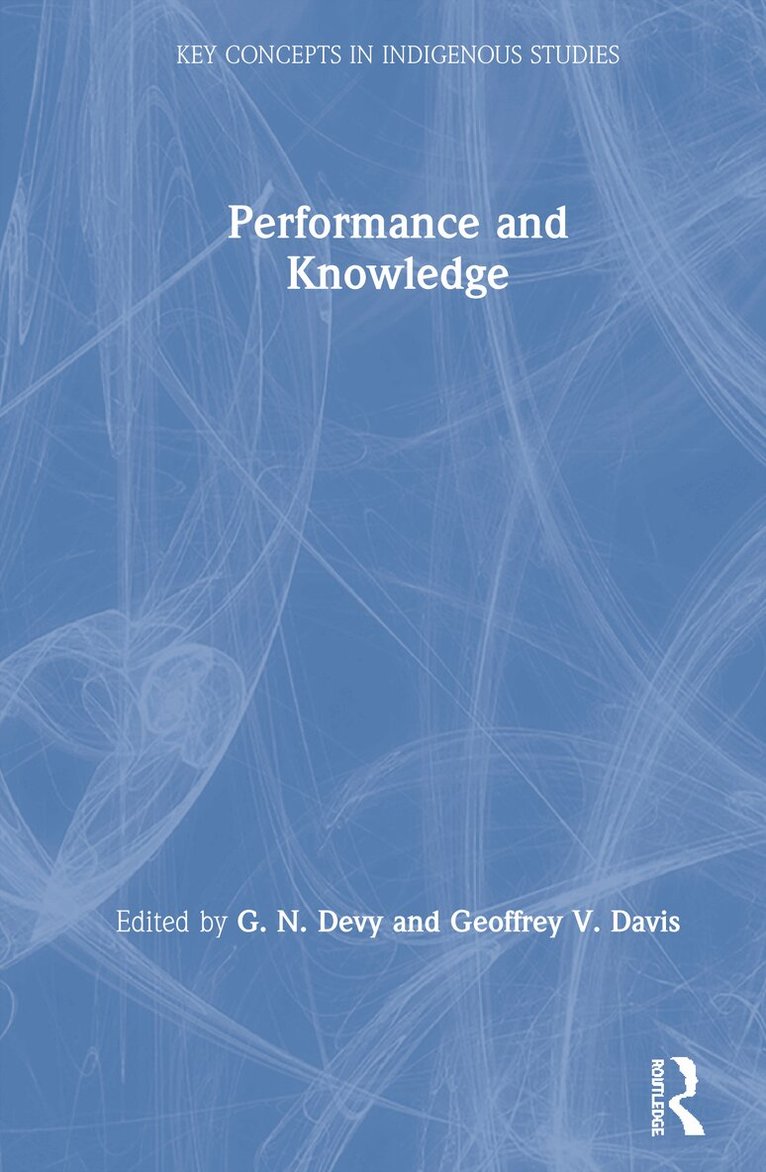
Part of the series Key Concepts in Indigenous Studies, this book focuses on the concepts that recur in any discussion of nature, culture and society among the indigenous.
The book, the first in a five-volume series, deals with the two crucial concepts of environment and belief systems of indigenous peoples from all the continents of the world. With contributions from renowned scholars, activists and experts from around the globe, it presents a salient picture of the environments of indigenous peoples and discusses the essential features of their belief systems. It explores indigenous perspectives related to religion, ritual and cultural practice, art and design, and natural resources, as well as climate change impacts among such communities in Latin and North America, Oceania (Australia, New Zealand and the South Pacific Islands), India, Brazil, Southeast Asia and Africa.
Bringing together academic insights and experiences from the ground, this unique book''s wide coverage will serve as a comprehensive guide for students, teachers and scholars of indigenous studies. It will be essential reading for those in anthropology, social anthropology, sociology and social exclusion studies, religion and theology, and cultural studies, as well as activists working with indigenous communities.
812 kr
Läs direkt efter köp
Part of the series Key Concepts in Indigenous Studies, this book focuses on the concepts that recur in any discussion of nature, culture and society among the indigenous.
The book, the first in a five-volume series, deals with the two crucial concepts of environment and belief systems of indigenous peoples from all the continents of the world. With contributions from renowned scholars, activists and experts from around the globe, it presents a salient picture of the environments of indigenous peoples and discusses the essential features of their belief systems. It explores indigenous perspectives related to religion, ritual and cultural practice, art and design, and natural resources, as well as climate change impacts among such communities in Latin and North America, Oceania (Australia, New Zealand and the South Pacific Islands), India, Brazil, Southeast Asia and Africa.
Bringing together academic insights and experiences from the ground, this unique book''s wide coverage will serve as a comprehensive guide for students, teachers and scholars of indigenous studies. It will be essential reading for those in anthropology, social anthropology, sociology and social exclusion studies, religion and theology, and cultural studies, as well as activists working with indigenous communities.
942 kr
Läs direkt efter köp
942 kr
Läs direkt efter köp
2 407 kr
Skickas inom 10-15 vardagar