Georg Grabherr – författare
Visar alla böcker från författaren Georg Grabherr. Handla med fri frakt och snabb leverans.
6 produkter
6 produkter
Häftad, Engelska, 2009
896 kr
Skickas inom 5-8 vardagar
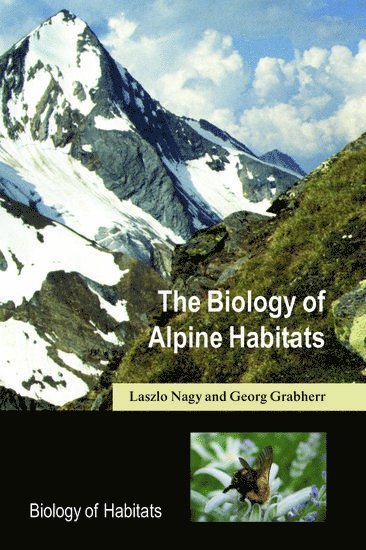
This book is unique in providing a global overview of alpine (high mountain) habitats that occur above the natural (cold-limited) tree line, describing the factors that have shaped them over both ecological and evolutionary timescales. The broad geographic coverage helps synthesise common features whilst revealing differences in the world's major alpine systems from the Arctic to the Tropics. The words "barren" and "wasteland" have often been applied to describe landscapes beyond the treeline. However, a closer look reveals a large diversity of habitats, assemblages and individual taxa, largely connected to topographic diversity within individual alpine regions. The book considers habitat-forming factors (landforms, energy and climate, hydrology, soils, and vegetation) individually, as well as their composite impacts on habitat characteristics. Evolution and population processes are examined in the context of the responsiveness / resilience of alpine habitats to global change. Finally, a critical assessment of the potential impacts of climate change, atmospheric pollutants and land use is made and related to the management and conservation options available for these unique habitats.
Inbunden, Engelska, 2003
2 161 kr
Skickas inom 10-15 vardagar
The United Nations Conference on the Environment and Development (UNCED), held in Rio de Janeiro in 1992, spawned a multitude of pro grammes aimed at assessing, managing and conserving the earth's biological diversity. One important issue addressed at the conference was the mountain environment. A specific feature of high mountains is the so-called alpine zone, i. e. the treeless regions at the uppermost reaches. Though covering only a very small proportion of the land surface, the alpine zone contains a rela tively large number of plants, animals, fungi and microbes which are specifi cally adapted to cold environments. This zone contributes fundamentally to the planet's biodiversity and provides many resources for mountain dwelling as well as lowland people. However, rapid and largely man-made changes are affecting mountain ecosystems, such as soil erosion, losses of habitat and genetic diversity, and climate change, all of which have to be addressed. As stated in the European Community Biodiversity Strategy, "the global scale of biodiversity reduction or losses and the interdependence of different species and ecosystems across national borders demands concerted international action". Managing biodiversity in a rational and sustainable way needs basic knowledge on its qualitative and quantitative aspects at local, regional and global scales. This is particularly true for mountains, which are distributed throughout the world and are indeed hot spots of biodiversity in absolute terms as well as relative to the surrounding lowlands.
E-bok
PDF, Engelska, 20123 157 kr
Läs direkt efter köp
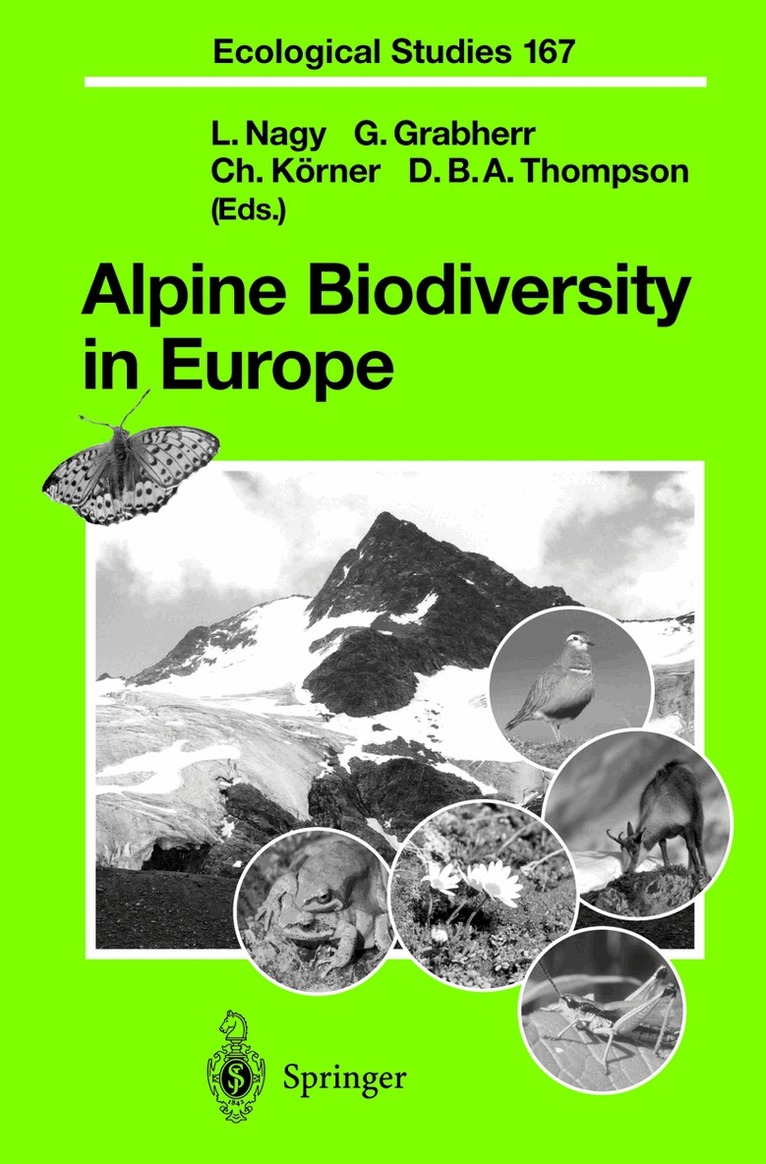
The United Nations Conference on the Environment and Development (UNCED), held in Rio de Janeiro in 1992, spawned a multitude of pro grammes aimed at assessing, managing and conserving the earth''s biological diversity. One important issue addressed at the conference was the mountain environment. A specific feature of high mountains is the so-called alpine zone, i. e. the treeless regions at the uppermost reaches. Though covering only a very small proportion of the land surface, the alpine zone contains a rela tively large number of plants, animals, fungi and microbes which are specifi cally adapted to cold environments. This zone contributes fundamentally to the planet''s biodiversity and provides many resources for mountain dwelling as well as lowland people. However, rapid and largely man-made changes are affecting mountain ecosystems, such as soil erosion, losses of habitat and genetic diversity, and climate change, all of which have to be addressed. As stated in the European Community Biodiversity Strategy, "the global scale of biodiversity reduction or losses and the interdependence of different species and ecosystems across national borders demands concerted international action". Managing biodiversity in a rational and sustainable way needs basic knowledge on its qualitative and quantitative aspects at local, regional and global scales. This is particularly true for mountains, which are distributed throughout the world and are indeed hot spots of biodiversity in absolute terms as well as relative to the surrounding lowlands.
Häftad, Engelska, 2012
2 377 kr
Skickas inom 10-15 vardagar
The United Nations Conference on the Environment and Development (UNCED), held in Rio de Janeiro in 1992, spawned a multitude of pro grammes aimed at assessing, managing and conserving the earth's biological diversity. One important issue addressed at the conference was the mountain environment. A specific feature of high mountains is the so-called alpine zone, i. e. the treeless regions at the uppermost reaches. Though covering only a very small proportion of the land surface, the alpine zone contains a rela tively large number of plants, animals, fungi and microbes which are specifi cally adapted to cold environments. This zone contributes fundamentally to the planet's biodiversity and provides many resources for mountain dwelling as well as lowland people. However, rapid and largely man-made changes are affecting mountain ecosystems, such as soil erosion, losses of habitat and genetic diversity, and climate change, all of which have to be addressed. As stated in the European Community Biodiversity Strategy, "the global scale of biodiversity reduction or losses and the interdependence of different species and ecosystems across national borders demands concerted international action". Managing biodiversity in a rational and sustainable way needs basic knowledge on its qualitative and quantitative aspects at local, regional and global scales. This is particularly true for mountains, which are distributed throughout the world and are indeed hot spots of biodiversity in absolute terms as well as relative to the surrounding lowlands.
Inbunden, Tyska
191 kr
Skickas inom 3-6 vardagar
Inbunden, Engelska, 2015
313 kr
Skickas inom 7-10 vardagar
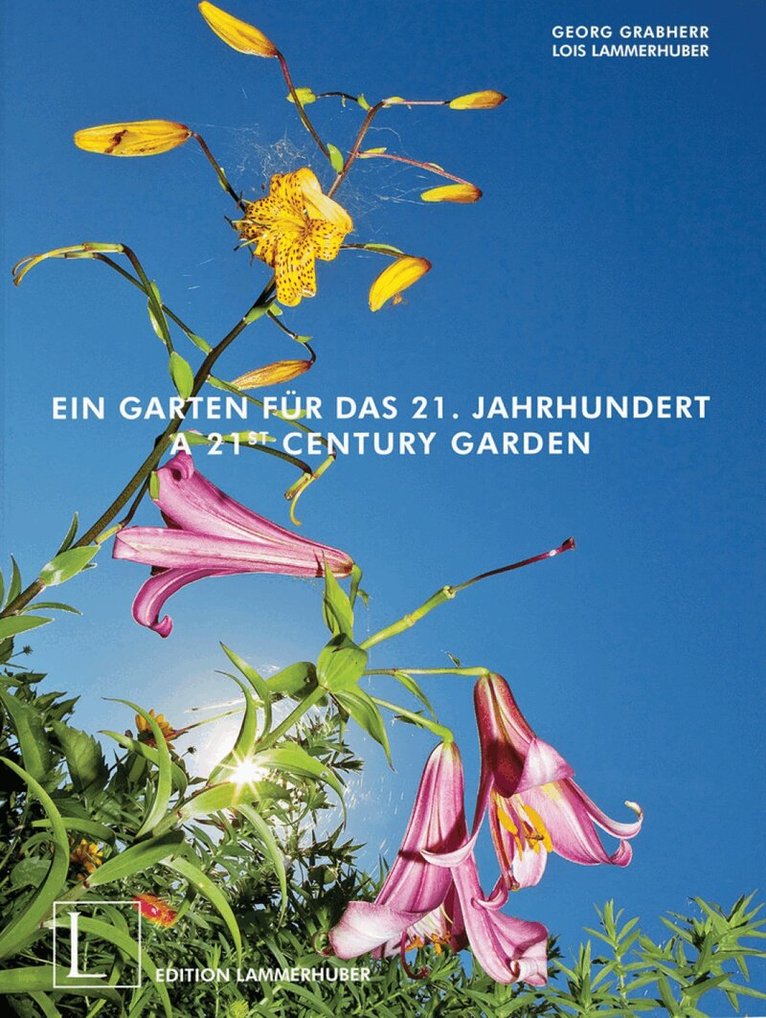
Drowning in flowers - with perceptive pictures and quirky texts this award-winning book wants to plant in its readers a longing for beauty, harmony, for the joy of recognition through knowledge. Georg Grabherr, one of the most influential conservation biologists, has created a domestic garden and incorporated key biosphere reserve concepts. Over time, his garden has developed into an ecological gem where the idea of "nature in the garden" has been realised in exemplary manner. He guides us through the phenological seasons that divide the year by the arrival of key species, covers themes dear to the gardener's heart and engages in a dialogue with nature, thoughtfully accepting and using what is wild and spontaneous. He is asking whether the thousands of private gardens can become a Noah's Ark, suitable for rescuing threatened species. Award-winning photographer Lois Lammerhuber has captured this amazing space throughout a whole gardening year and introduces us to an unusual but convincing garden aesthetic.Text in English and German.