Georg Theiner – författare
Visar alla böcker från författaren Georg Theiner. Handla med fri frakt och snabb leverans.
3 produkter
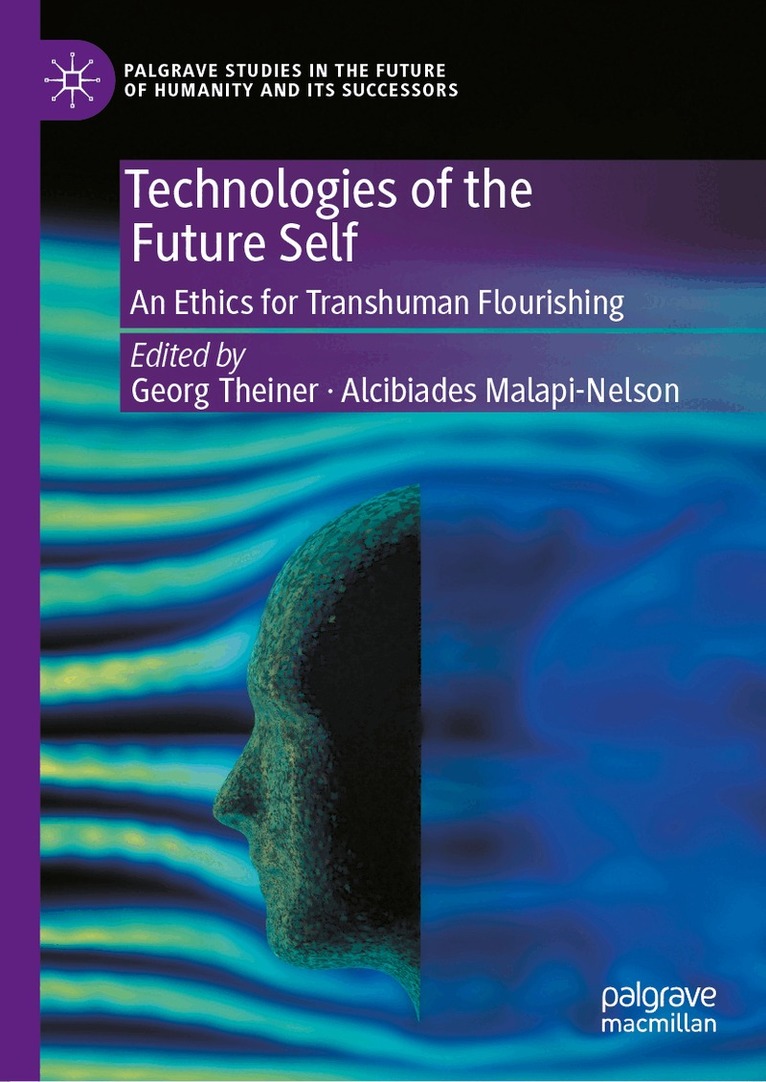
Technologies of the Future Self
An Ethics for Transhuman Flourishing
Av Georg Theiner, Alcibiades Malapi-Nelson
Inbunden, 2026
1639 kr
Lägg i varukorg
This volume is the first to articulate ethical foundations of transhumanism from perspectives focused on transhuman flourishing, as opposed to utilitarian or deontological approaches. Transhumanism is typically framed as a quest for “transcending biological limitations” and “unlocking human …
Technologies of the Future Self
An Ethics for Transhuman Flourishing
Av Alcibiades Malapi-Nelson, Georg Theiner
E-bok, 2026
2111 kr
Lägg i varukorg
This volume is the first to articulate ethical foundations of transhumanism from perspectives focused on transhuman flourishing, as opposed to utilitarian or deontological approaches. Transhumanism is typically framed as a quest for “transcending biological limitations” and “unlocking human …
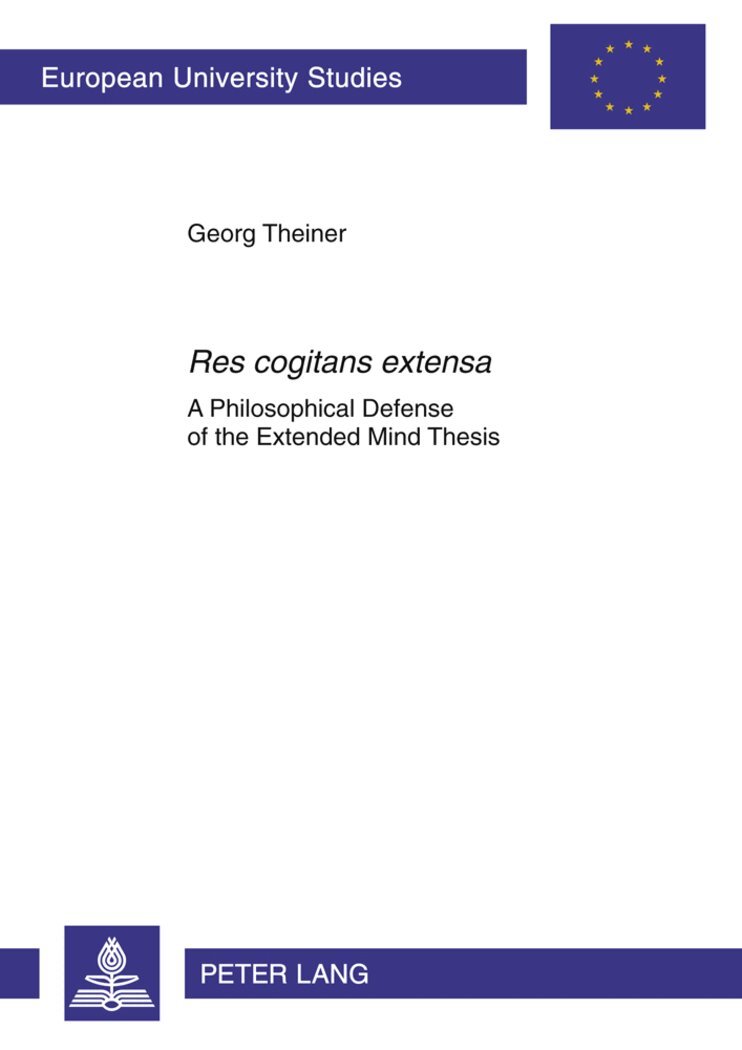
«Res cogitans extensa»
A Philosophical Defense of the Extended Mind Thesis
Häftad, 2011
575 kr
Tillfälligt slut
For Descartes, minds were essentially immaterial, non-extended things. Contemporary cognitive science prides itself on having exorcised the Cartesian ghost from the biological machine. However, it remains committed to the Cartesian vision of the mental as something purely inner. Against the idea …