George C. Thomas III – författare
Visar alla böcker från författaren George C. Thomas III. Handla med fri frakt och snabb leverans.
11 produkter
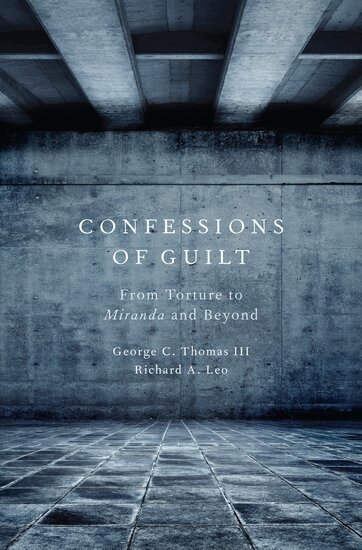
Confessions of Guilt
From Torture to Miranda and Beyond
Av George C. Thomas III, Richard A. Leo
Inbunden, 2012
1076 kr
Lägg i varukorg
How did the United States, a nation known for protecting the "right to remain silent " become notorious for condoning and using controversial tactics like water boarding and extraordinary rendition to extract information? What forces determine the laws that define acceptable interrogation …
Confessions of Guilt
From Torture to Miranda and Beyond
Av Richard A. Leo, George C. Thomas III
E-bok, 2009
709 kr
Lägg i varukorg
How did the United States, a nation known for protecting the “right to remain silent†become notorious for condoning and using controversial tactics like water boarding and extraordinary rendition to extract information? What forces determine the laws that define acceptable interrogation …
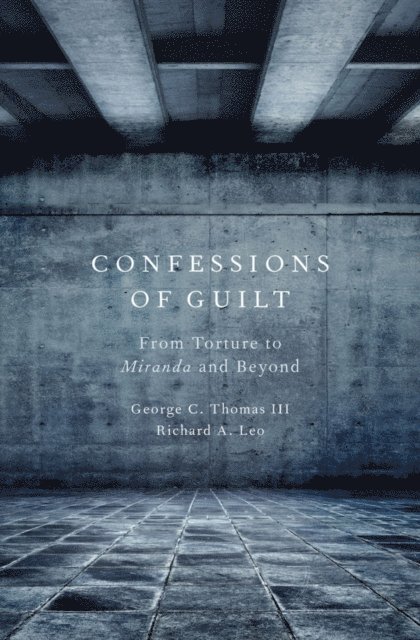
Confessions of Guilt
From Torture to Miranda and Beyond
Av Richard A. Leo, George C. Thomas III
E-bok, 2012
512 kr
Lägg i varukorg
How did the United States, a nation known for protecting the “right to remain silent†become notorious for condoning and using controversial tactics like water boarding and extraordinary rendition to extract information? What forces determine the laws that define acceptable interrogation …
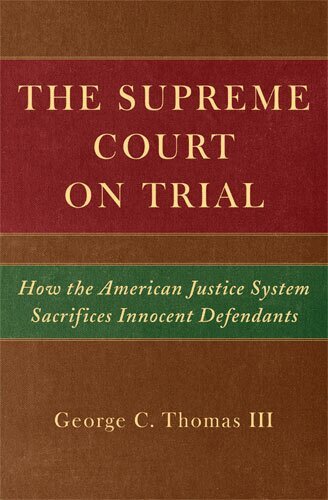
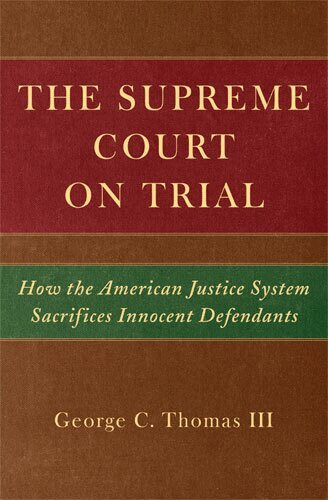
Supreme Court on Trial
How the American Justice System Sacrifices Innocent Defendants
Häftad, 2011
311 kr
Lägg i varukorg
The chief mandate of the criminal justice system is not to prosecute the guilty but to safeguard the innocent from wrongful convictions; with this startling assertion, legal scholar George Thomas launches his critique of the U.S. system and its emphasis on procedure at the expense of true …
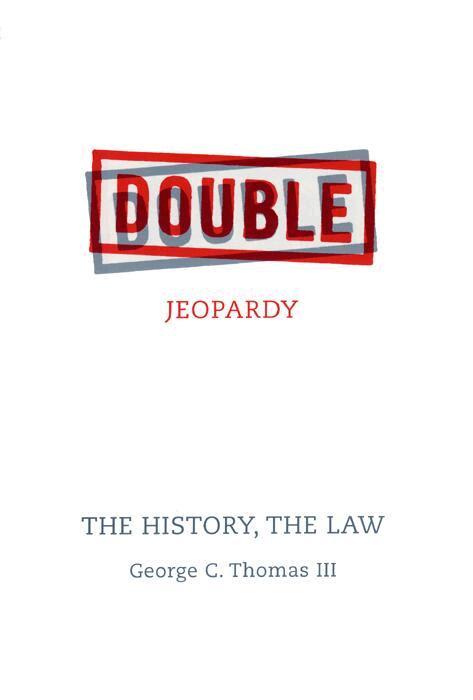
Double Jeopardy
The History, the Law
Inbunden, 1998
1124 kr
Lägg i varukorg
In the first book-length book on the subject in over a quarter century, George C. Thomas III advances an integrated theory of double jeopardy law, a theory anchored in historical, doctrinal, and philosophical method.Despite popular belief, double jeopardy has never been a limitation on the …
Game Fish of the Pacific, Southern Californian and Mexican
Av George C Thomas Jr, George C Thomas III
Inbunden, 2026
439 kr
Lägg i varukorg
Game Fish of the Pacific, Southern Californian and Mexican
Av George C Thomas Jr, George C Thomas III
Häftad, 2026
311 kr
Lägg i varukorg
Supreme Court on Trial
How the American Justice System Sacrifices Innocent Defendants
Inbunden, 2008
656 kr
Tillfälligt slut
The chief mandate of the criminal justice system is not to prosecute the guilty but to safeguard the innocent from wrongful convictions; with this startling assertion, legal scholar George Thomas launches his critique of the U.S. system and its emphasis on procedure at the expense of true …
Game Fish of the Pacific
Southern Californian and Mexican
Av George C. Thomas Jr., George C. Thomas III
Inbunden, 1999
762 kr
Tillfälligt slut
Published originally by J. B. Lippincott in 1930, this handsome book includes 89 illustrations and a color frontispiece. Provides practical advice on catching tuna, swordfish, marlin, giant bass, yellowtail, white seabass, and sharks. The book covers big game fishing off the California coast and in …