George C. Wright – författare
Visar alla böcker från författaren George C. Wright. Handla med fri frakt och snabb leverans.
3 produkter
3 produkter
314 kr
Skickas inom 10-15 vardagar
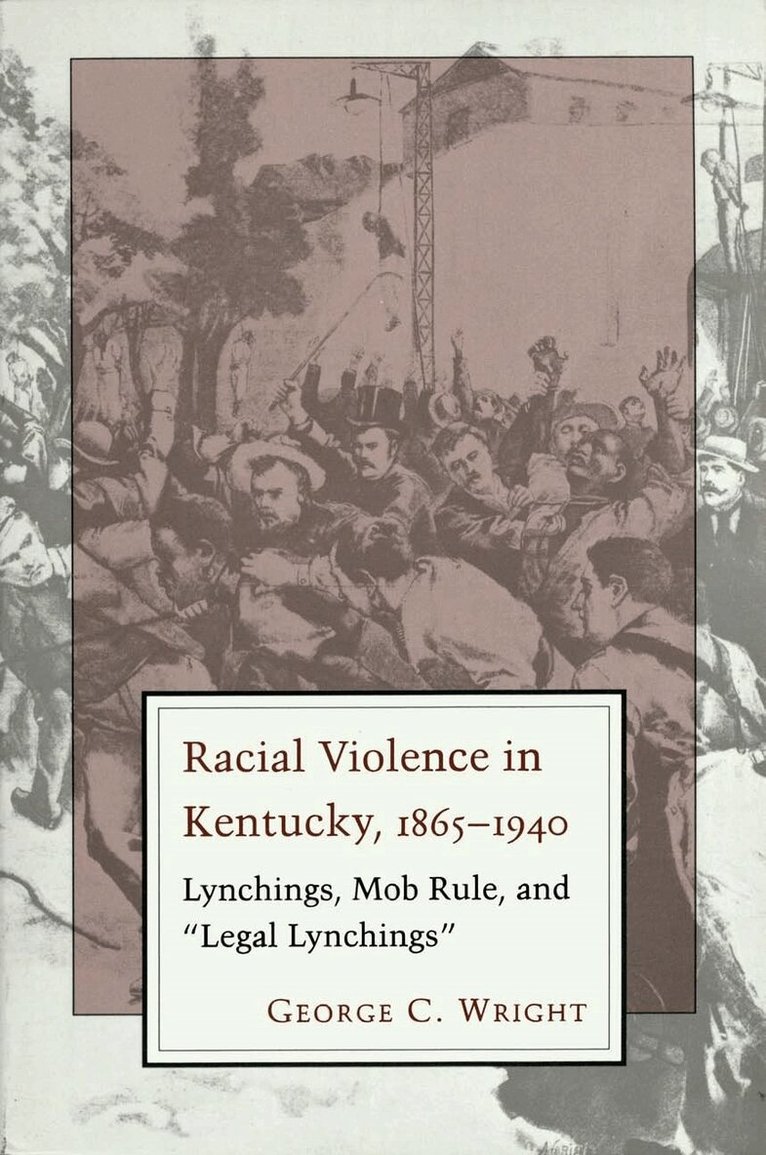
Wright vividly portrays the clash between racist militants and blacks who would not submit to terror. The book makes clear the brutality concealed beneath the surface veneer of moderation. - Journal of Southern HistoryIn this investigative look into Kentucky's race relations from the end of the Civil War to 1940, George C. Wright brings to light a consistent pattern of legally sanctioned and extralegal violence employed to ensure that blacks knew their ""place"" after the war.In the first study of its kind to target the racial patterns of a specific state, Wright demonstrates that despite Kentucky's proximity to the North, its black population was subjected to racial oppression every bit as severe and prolonged as that found farther south. His examination of the causes and extent of racial violence, and of the steps taken by blacks and concerned whites to end the brutality, has implications for race relations throughout the United States.
324 kr
Skickas inom 10-15 vardagar
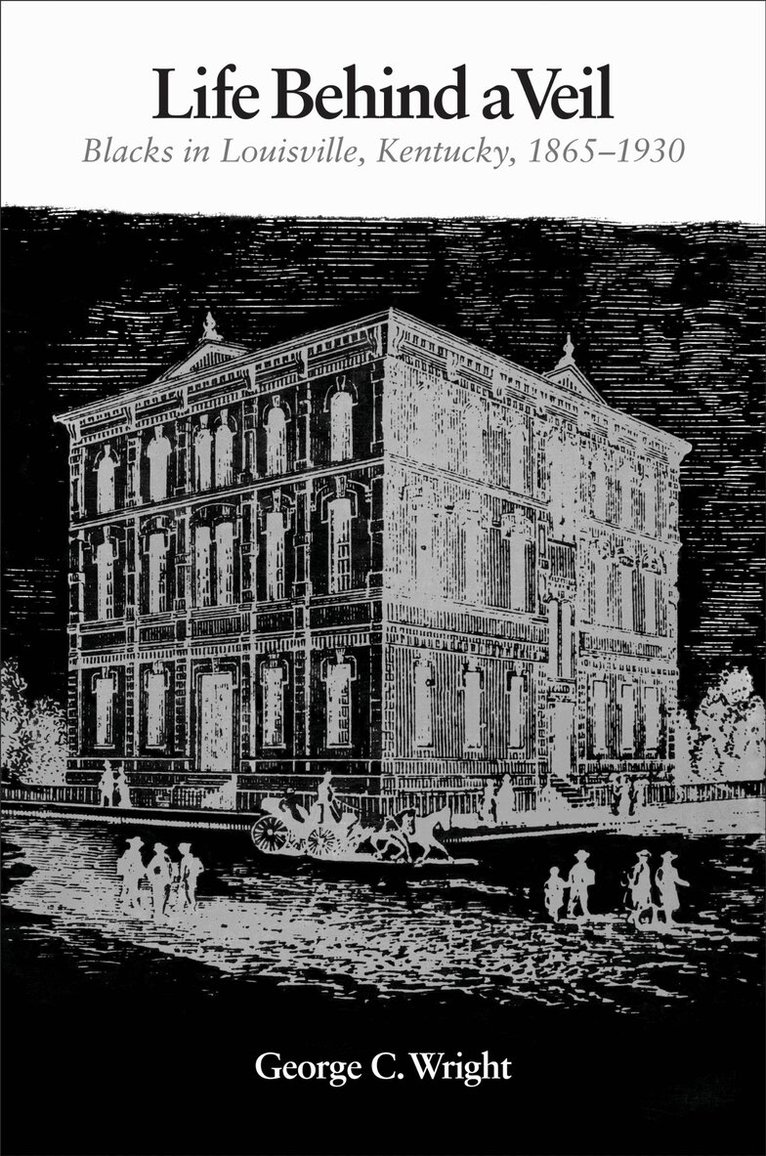
In the period between the Civil War and the Great Depression, Louisville, Kentucky was host to what George C. Wright calls ""a polite form of racism."" There were no lynchings or race riots, and to a great extent, Louisville blacks escaped the harsh violence that was a fact of life for blacks in the Deep South. Furthermore, black Louisvillians consistently enjoyed and exercised an oft-contested but never effectively retracted enfranchisement. However, their votes usually did not amount to any real political leverage, and there were no radical improvements in civil rights during this period. Instead, there existed a delicate balance between relative privilege and enforced passivity. A substantial paternalism carried over from antebellum days in Louisville, and many leading white citizens lent support to a limited uplifting of blacks in society. They helped blacks establish their own schools, hospitals, and other institutions. But the dual purpose that such actions served, providing assistance while making the maintenance of strict segregation easier, was not incidental. Whites salved their consequences without really threatening an established order. And blacks, obliged to be grateful for the assistance, generally refrained from arguing for real social and political equality for fear of jeopardizing a partially improved situation and regressing to a status similar to that of other southern blacks. In Life Behind a Veil: Blacks in Louisville, Kentucky, 1865 - 1930, George Wright looks at the particulars of this form of racism. He also looks at the ways in which blacks made the most of their less than ideal position, focusing on the institutions that were central to their lives. Blacks in Louisville boasted the first library for blacks in the United States, as well as black-owned banks, hospitals, churches, settlement houses, and social clubs. These supported and reinforced a sense of community, self-esteem, and pride that was often undermined by the white world.Life Behind a Veil is a comprehensive account of race relations, black response to white discrimination, and the black community behind the walls of segregation in this border town. The title echoes Blyden Jackson's recollection of his childhood in Louisville, where blacks were always aware that there were two very distinct Louisvilles, one of which they were excluded from.
428 kr
Skickas inom 3-6 vardagar